
All previous newsletters can be found here.
Work Day Reminder, April 18 2026
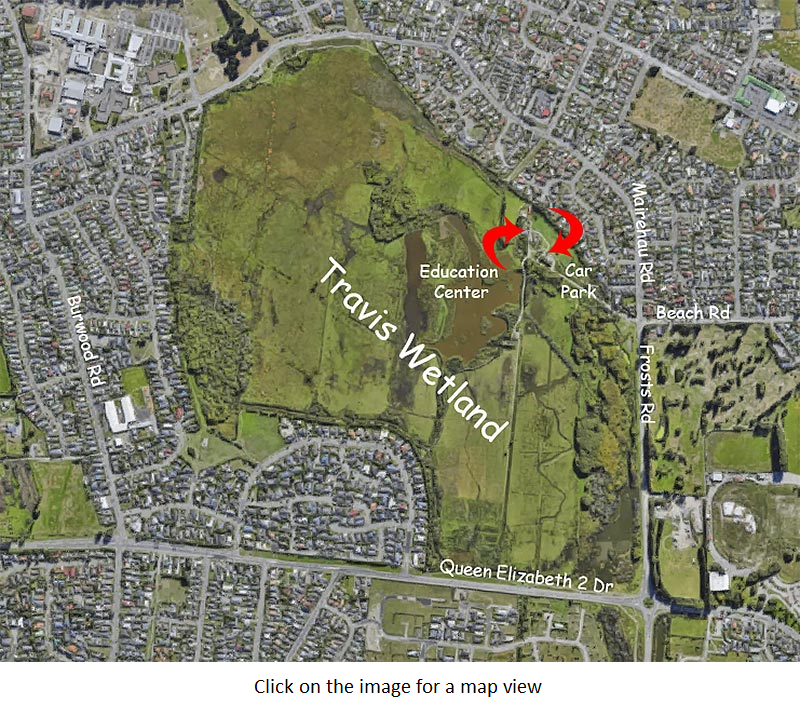
The next monthly work day will be from 9.00am – noon this coming Saturday.
This month we’ll most likely be weeding somewhere around the wetland. If you arrive late there will be a notice on the Education Centre door explaining where we have gone and a phone number for you to call if you need more guidance to our location.
All tools provided. Gumboots are recommended. If you don’t have any we have pairs for loan at the Education Centre. Please bring your own gloves if you can, but we have some of them for loan too.
If the weather on the work day is poor and we decide to cancel then an email will be sent by 8am on Saturday morning. So if you think the conditions are marginal, please check your emails.
If you’re reading this on the website and are not on the email list then you can add yourself to it through the form at the foot of the home page. If you change your mind there’s an unsubscribe link in each newsletter.
Volunteers welcome
Would you like to volunteer to help with caring for the wetland? We would be interested to hear from you. You may have a community group, workplace or extended family that would like to be involved too. Please contact us via info@traviswetland.org.nz
Report on the last work day, 21st March
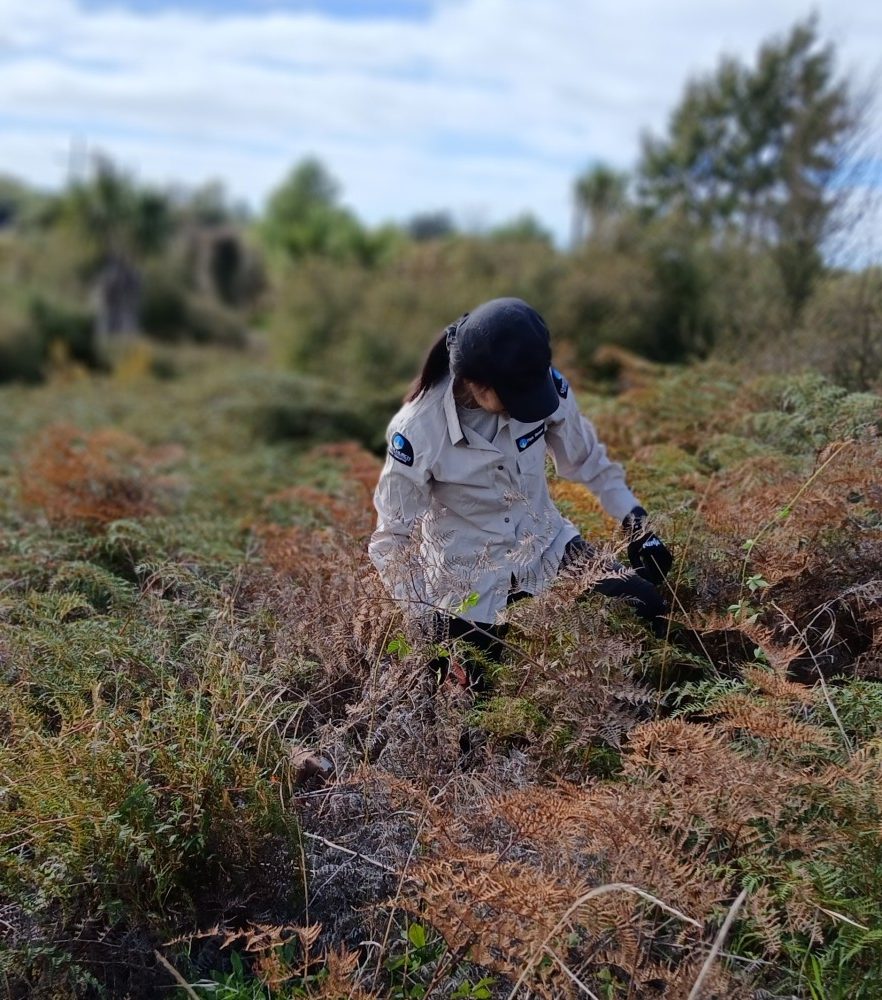
Mild and cloudy weather was the perfect lure for 12 volunteers to join in with a weeding workout on the Mairehau dunes. Most of us got warmed up cutting back long grass around the edges of shrubs and progressed to larger weeds as we moved west. It was good to remove numerous specimens of fathen, mallow, nightshade and campion.
Unfortunately there was a troublesome patch of blackberry close to the biofilter and this kept a brave few busy for some time.
The return walk to the Ed Centre was enjoyable, with plenty of bright red tōtara fruit on display.
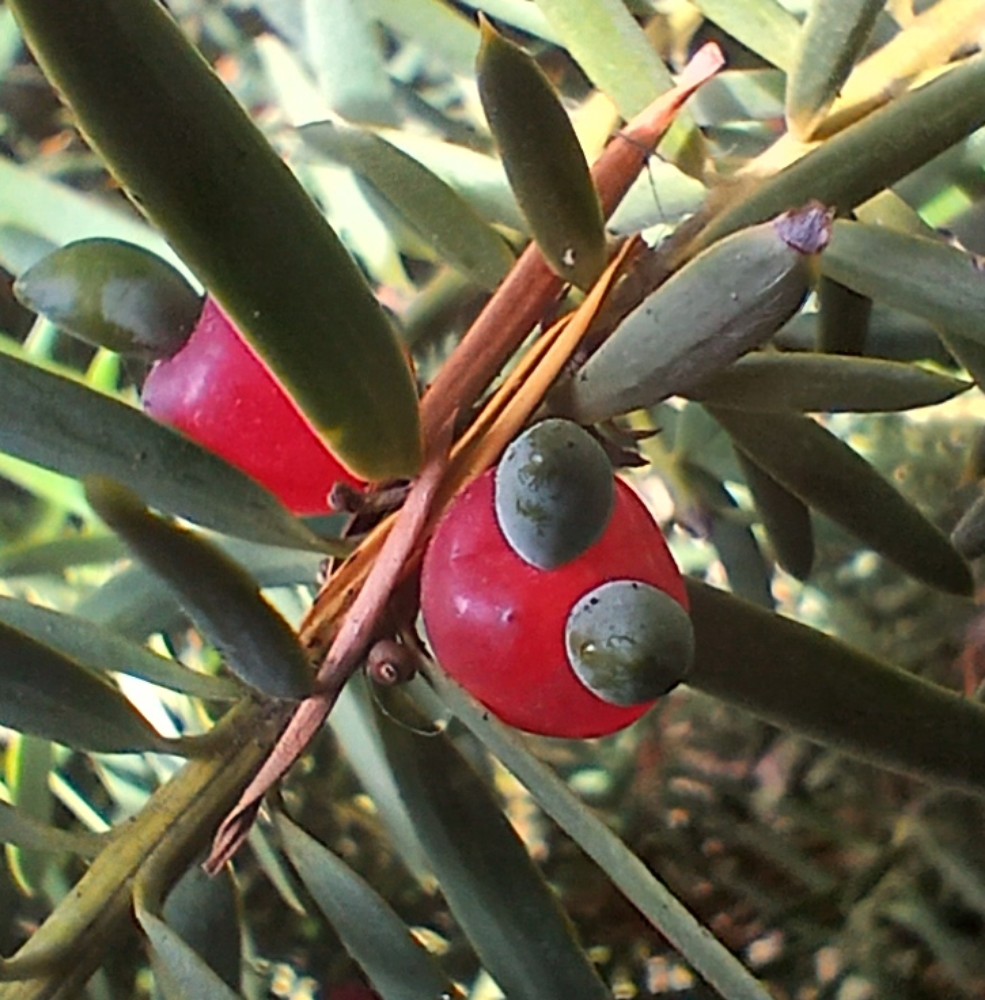
Thanks everyone.
Article and images: Sue Britain and Mike Bourke
Sponsored boardwalk planks
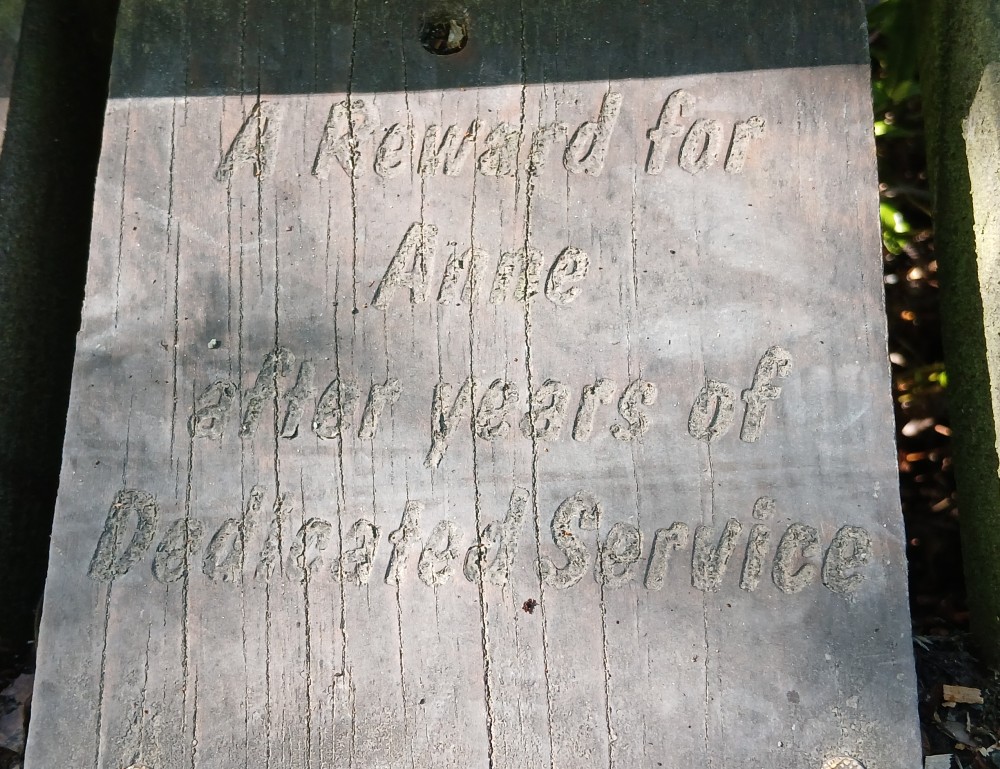
In the late 1990s Travis Wetland Trust called for donations to help build a boardwalk over swampy ground close to what is now the Anne Flanagan Dell. Donors names were engraved on planks and put in place. Over the years, despite some cleaning and care, the engraving has become damaged and harder to read. The Trust Board has decided to continue with some basic care, while allowing boards to undergo ‘dignified decay’ in place.
Names of boardwalk donors have been recorded and made available on the Trust website. We welcome input from donors if we have made any spelling mistakes.
We would also love to hear from anyone who was a donor, or their family, who has a story to tell. It would be interesting to know if they have continued to enjoy the wetland and fostered similar interest for their children.
Long time Trust supporter and board donor Stuart Payne has very kindly written an account (below) of his involvement over many years.
Article and image: Sue Britain
Sponsor a Board
The area, then known as Travis Swamp, first came to my attention when some newspaper articles were published in the late 70s about proposals to establish housing in the wetland area. At that time I lived beside Dudley Creek in what is now called the Flockton Basin so I knew what serious flooding in suburban Christchurch looked like. Hence, given Christchurch is largely built in and around what were historically wetlands, my reaction to filling in the city’s last remaining significant wetland and building houses on it was that it was both foolish and short-sighted.
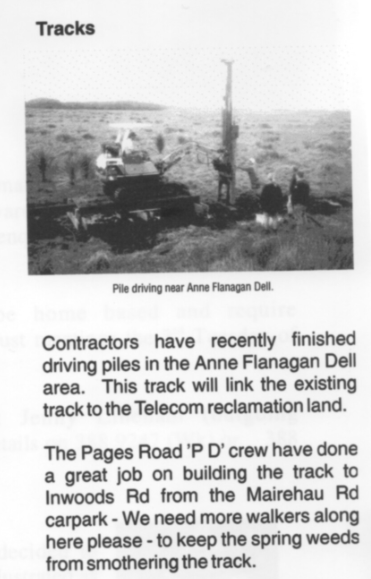
Ten years later I was a member of Forest & Bird and they had lent their support to the campaign to stop the housing project and retain the area as a protected wetland area. In June 1988 I added my voice to the campaign and wrote to the then Canterbury United Council (with a copy to the then Christchurch Drainage Board). I argued several reasons with my final one being, “Travis Swamp (sic) itself is one of the last remaining natural wildlife areas close to the city and its preservation in its natural state is justified for this reason alone.” The reply I received from the Regional Planning Manager rejected this with one reason given being that “studies in the mid-1970s showed that the area was not of great value for wild life purposes even at that time.”
Fast forward another ten years and, with the purchase by the City Council of around 110 hectares, Travis Wetland was now a wetland heritage park. And in March 1998 I made my first volunteer contribution at Travis as part of Forest & Bird’s 75th anniversary celebrations, when 75 kahikatea (plus other trees) were planted in the central willow stand.
The following year, Travis Wetland Trust, which had come into being in 1992, launched its ‘sponsor a board for the walkway’ initiative. The cost was $20-25 ($40-45 in today’s prices). So in planting the kahikatea and funding a board my rationale was that now we had this great asset, these were ways of adding value to it. With Travis Wetland offering so many intangible benefits to the city, the concept of ‘value for money’ wasn’t a consideration, but nearly thirty years on, all I have to do to remind myself of the wisdom of all who have campaigned for, done volunteer work for, and funded the creation of Travis Wetland is circumnavigate the wetland on the pathway and the boardwalk. The wisdom is right before my eyes. I wonder what the Regional Planning Manager from the United Council would say now.
Article: Stuart Payne
Saving a Swamp
I have been going through newspaper clippings gathered over years about Travis Swamp. Many have been previously photocopied and I am now scanning them so we have a digital copy that can be accessible. These articles, letters to the editor and other commentary range in date from 1979 to 2000. It is an amazing resource which tells the story of the fight to save the swamp from development.
The first article is from April 1975 in the Christchurch Star – ‘Land deal cuts family’s 100 year old link’. This is followed by an article in the Pegasus Post dated March 31st 1976 which has the headline ‘Reclaiming the swampland’ and continued with the ‘Residents in the area bordering the Travis Rd swamp will be pleased to know that at last there are definite plans underway for development’. Christchurch Estates had plans to develop the swamp in two stages. The article states the area is very low lying and there is no time of year it is free of water and bog, this means a ton of fill. By 1977 The Press was reporting that precarious finances may put paid to the plans of a Christchurch group of land-development companies for the multi-million dollar Travis Swamp subdivision. The company went into receivership in December 1978 and the development of the swamp never came about.
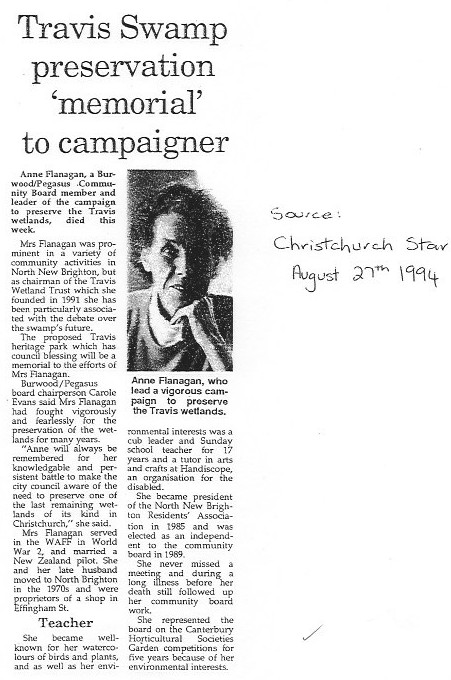
In 1984 the swamp was in the news again. The Star dated July the 3rd 1984 reported that Travis Swamp had been sold for an undisclosed sum in one of the biggest land deals in Christchurch in nine years. 80 ha had been brought by a city consortium, March Construction Ltd and Merritt Homes Ltd for about 700 building sections. Concerns for the loss of the wetland and the impact on its wildlife along with fears of increased flooding were raised in many articles and letters to the editors of the local papers. Thus began a campaign to save the area from development led by The North New Brighton Community Council. their President Anne Flanagan was instrumental in the fight and helped to galvanise public opinion and support.
In 1989 three local bodies including Waimairi District Council, which had Travis Swamp under its jurisdiction, merged into the new Christchurch City Council. The new Council gave a clear indication that they wanted the swamp saved. This was possibly the turning point in saving the wetland.
In 1995 Christchurch City Council bought 27ha off Travis Country Estate Ltd. Council had previously purchased a 29ha block off Landcorp. Pressure was brought on Council to buy the remaining 60ha of the wetland owned by the developer. On the 24th of May 1996 The Press reported that the Council finally agreed to buy the remainder of Travis Swamp
After twelve years of campaigning Travis Swamp was at last saved from housing development.
For those of us who love Ōruapaeroa-Travis Wetland – we are forever grateful for the commitment of all those involved, especially Anne Flanagan. Sadly Anne passed away before the confirmation that her beloved swamp was saved. We must also acknowledge the Council at the time who had the vision and foresight to purchase the wetland.
Article: Denise Ford
Snippets from the Rangers

When they were somewhere between Info Centre and Bird Hide a recent visitor to the wetland observed an Australasian bittern flying! Unfortunately their camera could not be readied quickly enough to capture an image of the rare bird.
Alice and Matt will soon start repairing the wet sections of track and adding new culverts. The work will need to be carried out over the next few months.
To improve habitat for Pūkeko normally a contractor will be paid to mow the eastern paddocks at this time of year. However it is currently too wet and might not dry out before winter preventing the mowing from proceeding. It’s also too wet for sheep grazing to serve the same purpose as mowing. Welfare issues would arise if sheep were introduced, for example foot rot.
A Marsh Crake was caught by a cat and taken home alive! The horrified Travis Country cat owner took the crake to the bird hospital for treatment. It was later released back at Travis after it recovered from its ordeal.
Image: Grahame
City Nature Challenge 2026

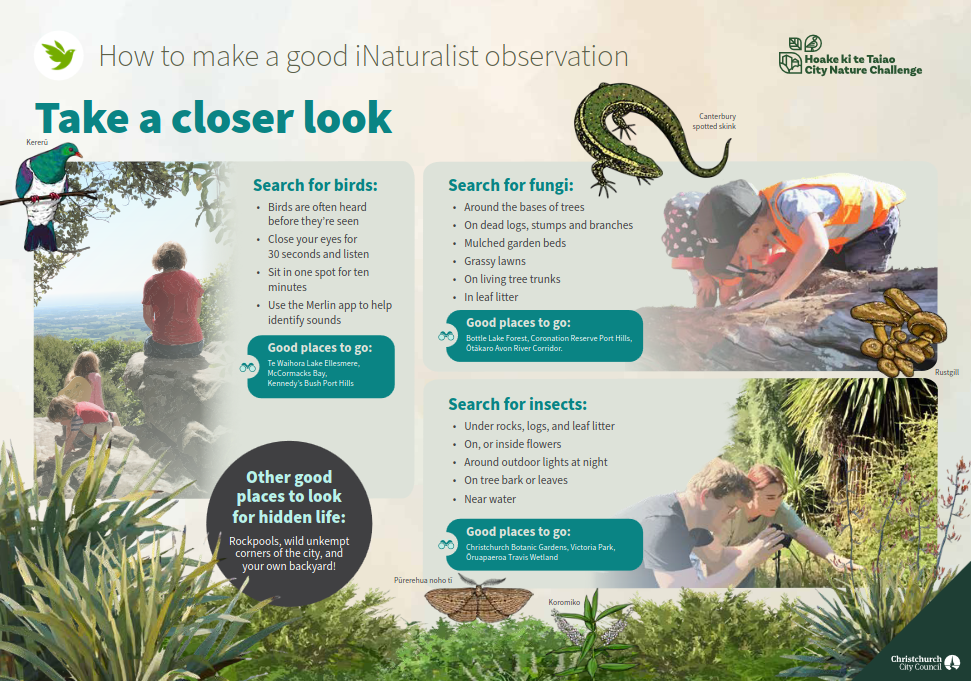
From 24–27 April, join us as we make as many observations of as many species as we can from the Christchurch District (including the central city, suburbs, and Banks Peninsula), and upload them all to iNaturalist.NZ. Details here.
Participation is easy and free! Download the iNaturalist app to your mobile device. Use the app to upload photos of organisms to iNaturalist NZ, and our friendly iNaturalist NZ community will help you identify them. It’s as simple as that! You can also add observations straight to iNaturalist.NZ on the web if you prefer.
For those that are still a little new to iNaturalist, they have developed a series of infographic posters to provide some inspiration! Well worth checking out. Below is an example.
Recent images from Ōruapaeroa Travis Wetland
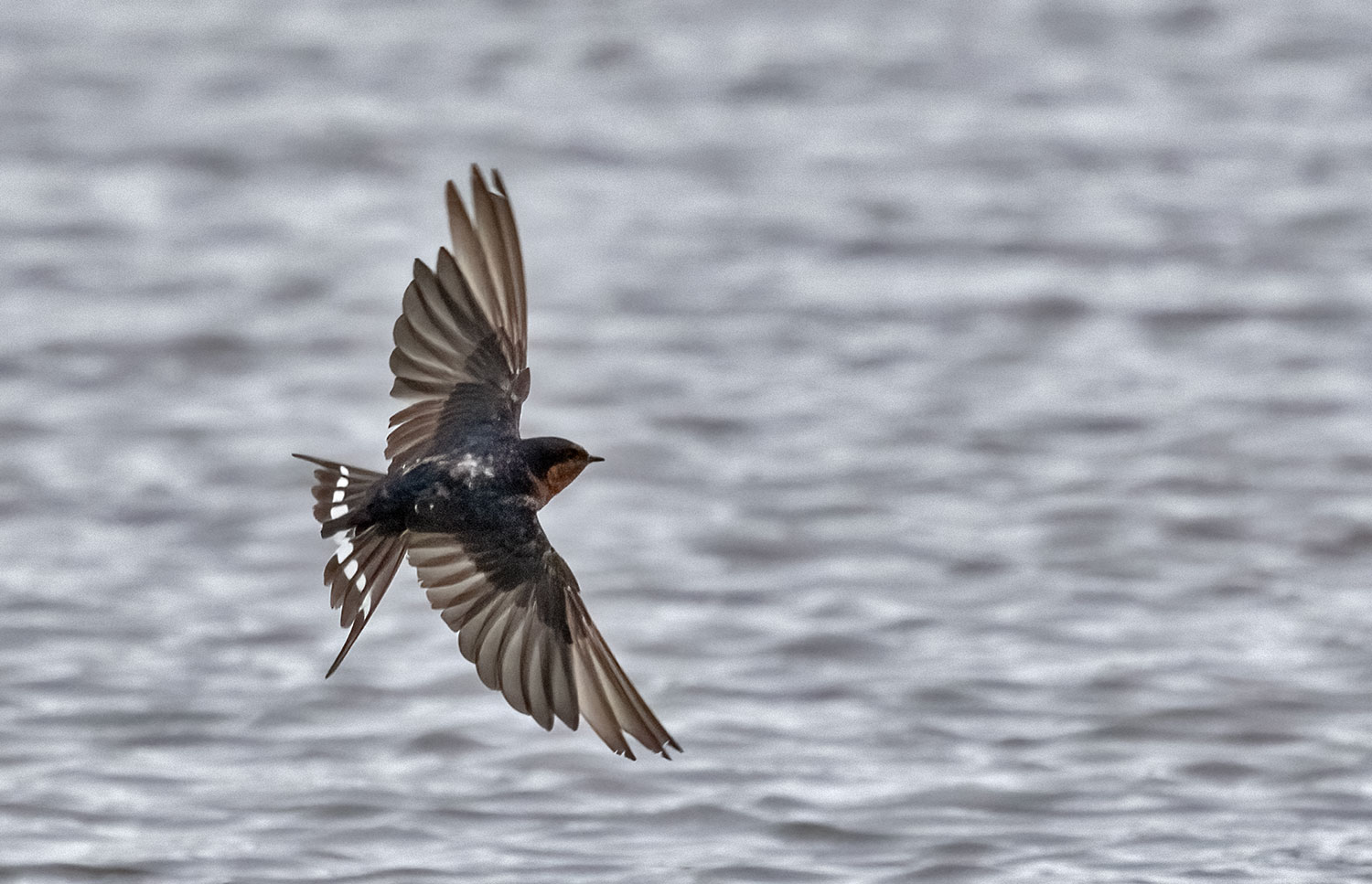
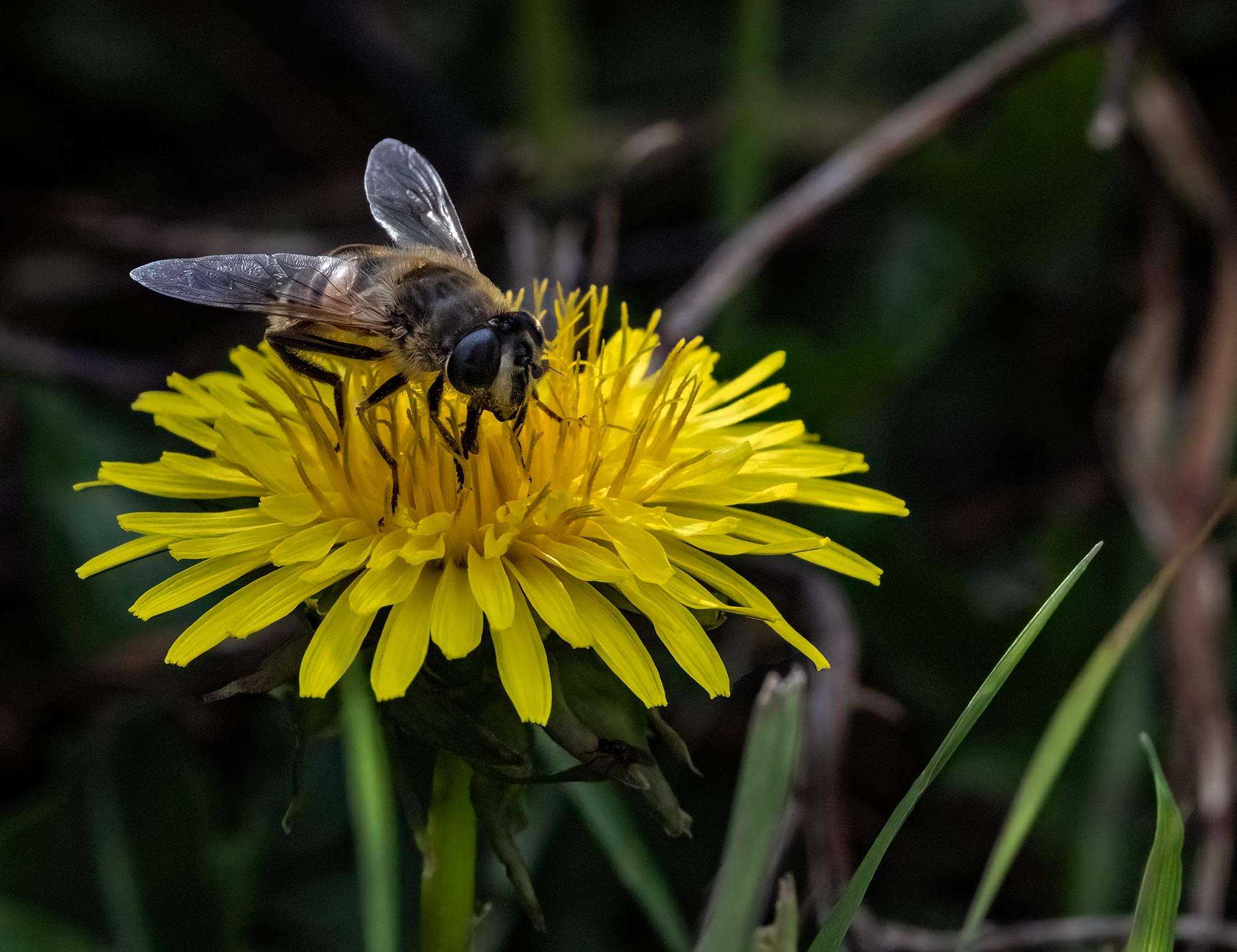
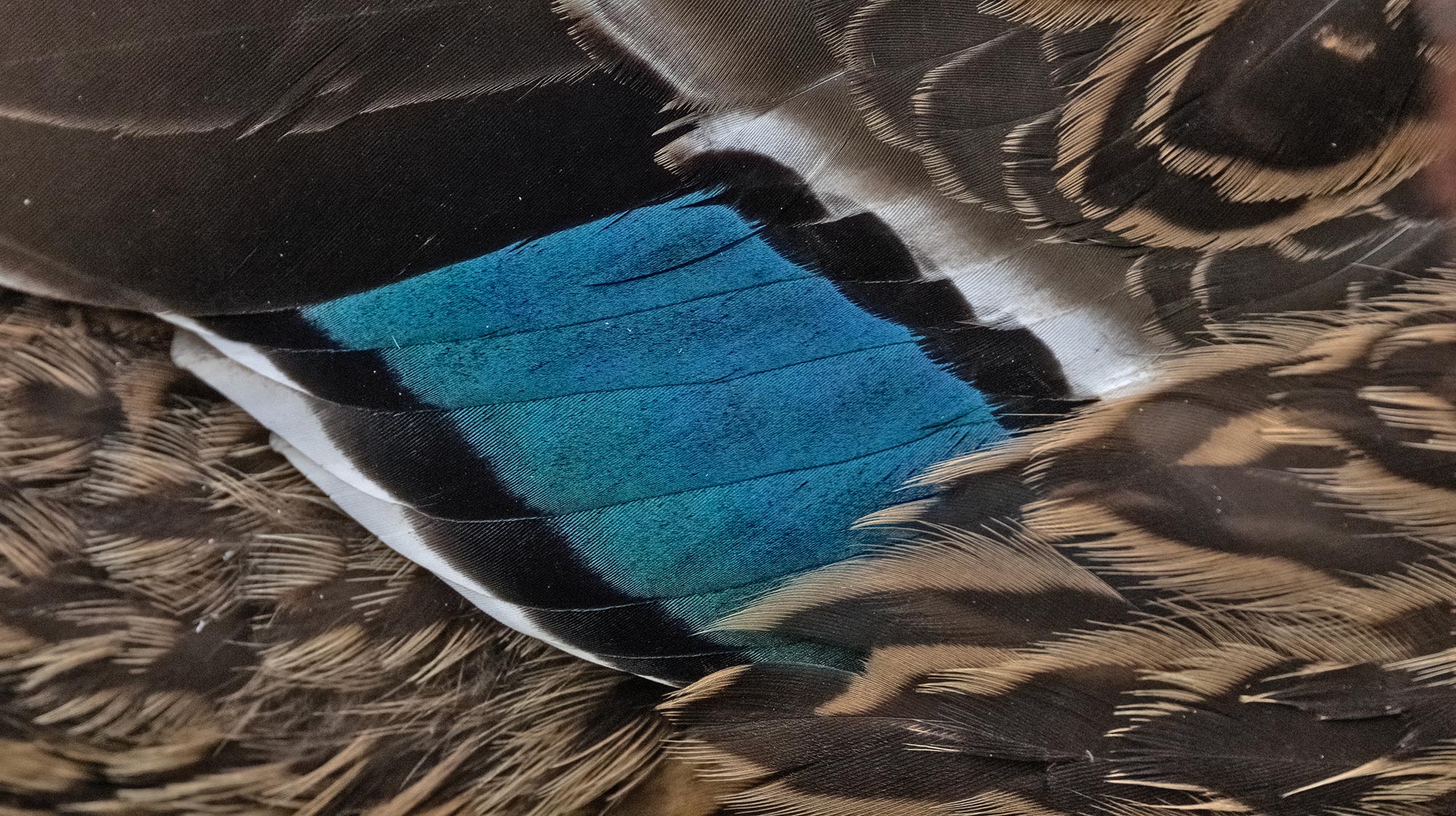
All images by Grahame