
All previous newsletters can be found here.
Work Day Reminder, May 16 2026
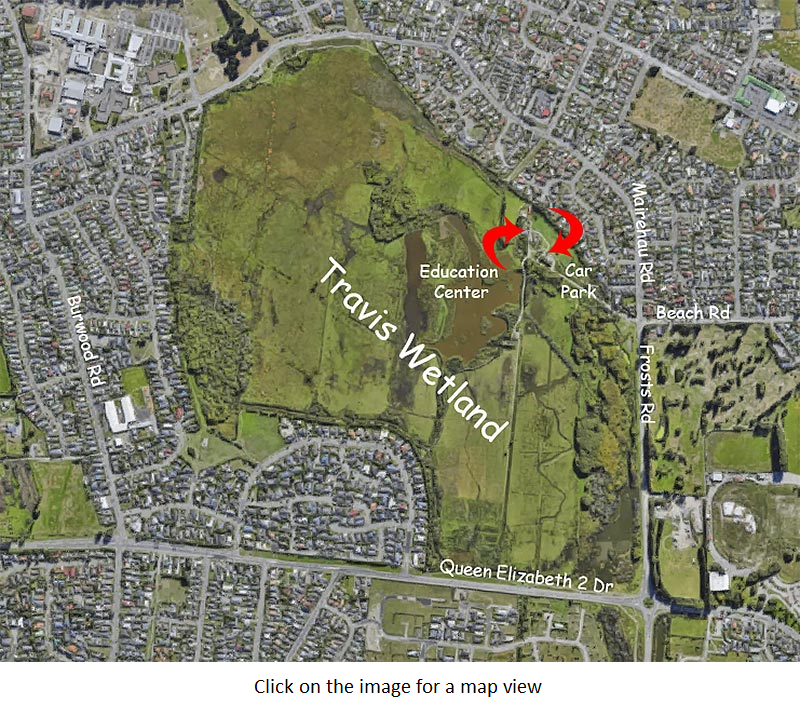
The next monthly work day will be from 9.00am – noon this coming Saturday.
This month we’ll probably be weeding and planting in the vicinity of the Beach Rd / Frosts Rd intersection. Of course that might change depending on the conditions. If you arrive late there will be a notice on the Education Centre door explaining where we have gone and a phone number for you to call if you need more guidance to our location.
All tools provided. Gumboots are recommended. If you don’t have any we have pairs for loan at the Education Centre. Please bring your own gloves if you can, but we have some of them for loan too.
If the weather on the work day is poor and we decide to cancel then an email will be sent by 8am on Saturday morning. So if you think the conditions are marginal, please check your emails.
If you’re reading this on the website and are not on the email list then you can add yourself to it through the form at the foot of the home page. If you change your mind there’s an unsubscribe link in each newsletter.
Volunteers welcome
Would you like to volunteer to help with caring for the wetland? We would be interested to hear from you. You may have a community group, workplace or extended family that would like to be involved too. Please contact us via info@traviswetland.org.nz
Report on the last work day, 18th April
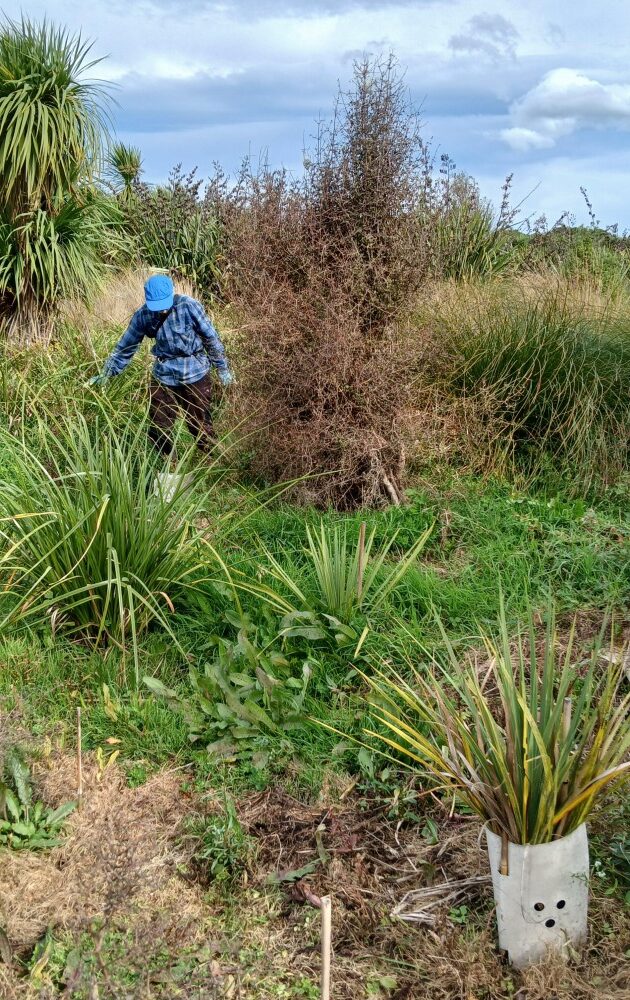
We had an amazing turnout of 23 people, so it was lucky we had 2 worksites available.
One group headed to the southern woods, mainly to check on plantings from 6 months ago. Grass had engulfed some smaller plants but spraying had reduced the spread of beggar’s tick. We released many kahikatea and smaller plants, but there had been considerable losses of young manuka. Bruce worked on removing regrowth in a honeysuckle patch.
A second group worked around bird hide corner, releasing young plants that were smothered by grass, nightshade and convolvulus. The group included several children, one of whom was unfortunately stung by a wasp, and they helped with planting some sea spurge.
Thanks to everyone who helped.
Article and image: Sue Britain
The bonuses of planting a tree
A mission to photograph flowers of a climbing clematis got me thinking about all the other species that use a tree. The host tree was a kahikatea planted as part of the 1 millionth tree celebrations in 2018 (see newsletter October 2018).
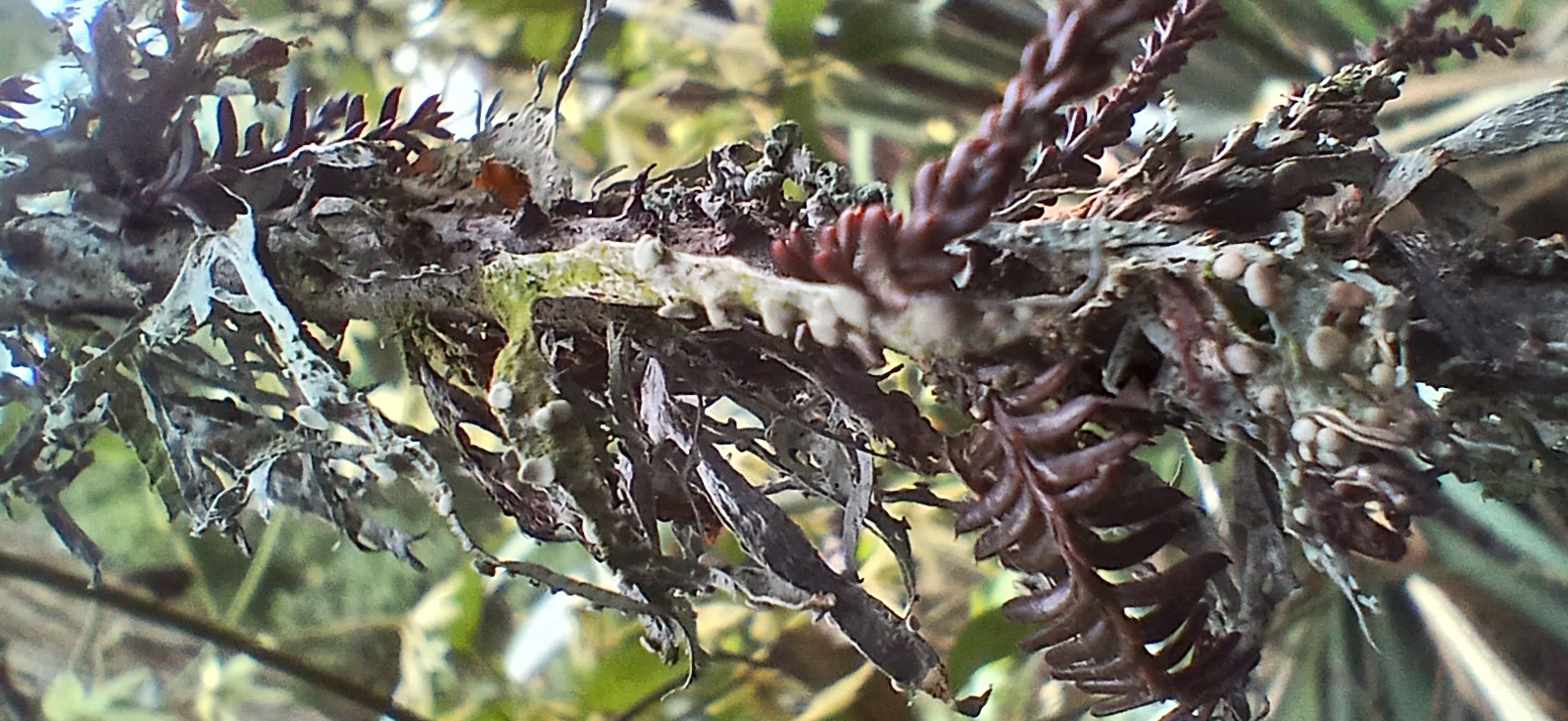
Kahikatea are our tallest trees and they are very important in increasing biodiversity. They provide shelter and food for numerous bird and invertebrate species. Kereru and tui love to eat the fleshy fruits while assisting with spreading seeds. Larvae of vibrant longhorn beetles bore into branches for food and shelter.
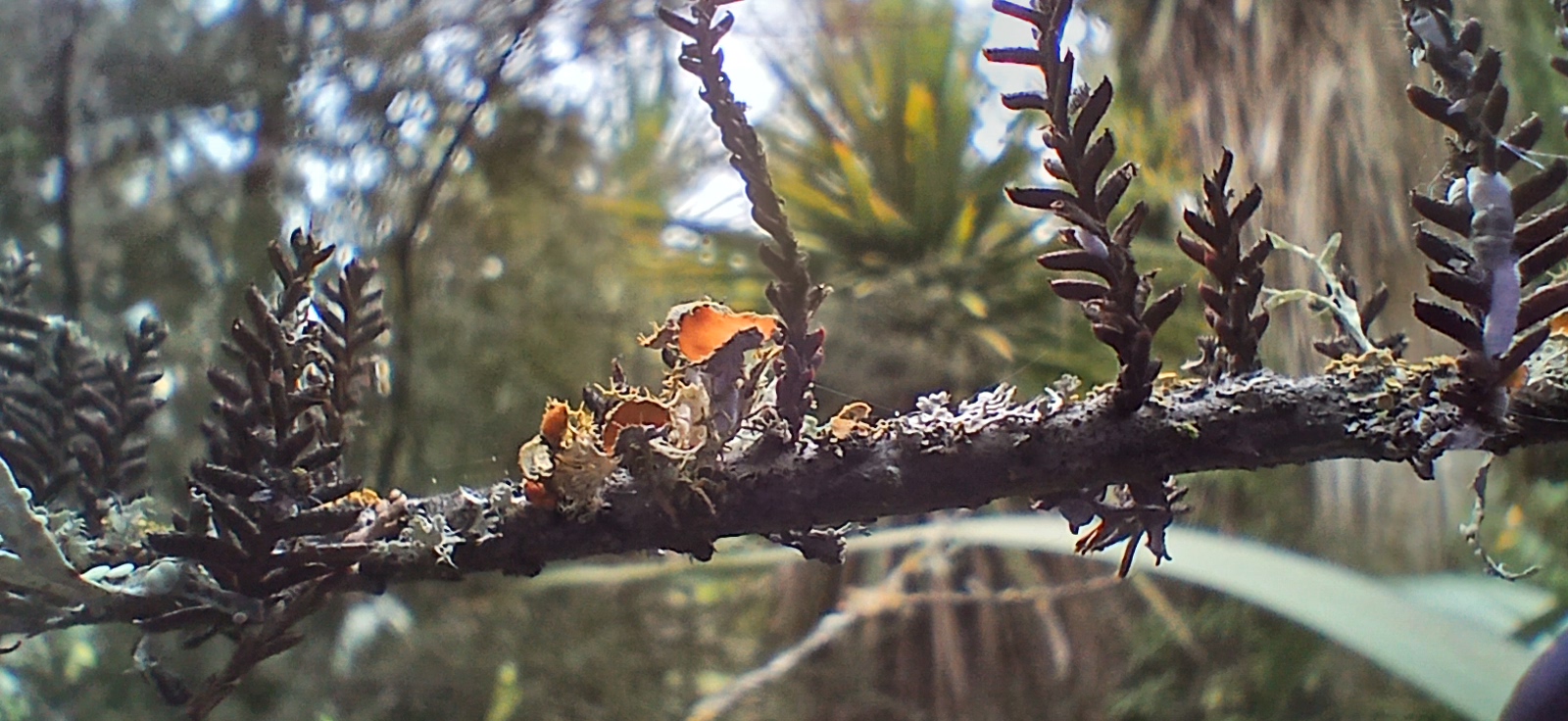
Kahikatea support numerous species of plants too. A mature tree can support up to 100 species in its branches, with a roughly equal number of vascular (e.g. ferns) and non-vascular types (e.g. mosses). This is similar to numbers found on comparable conifer species in Bolivian cloud forest.
Even young kahikatea branches support other species. They often grow horizontally, supporting quite an array of lichens that draw our attention away from the brownish juvenile leaves of the host.
So, as planting season approaches, let’s get out there and plant and watch the amazing return on our investment.
Sources: Wikipedia, Wikispecies
Article and images: Sue Britain
City Nature Challenge 2026 and Travis
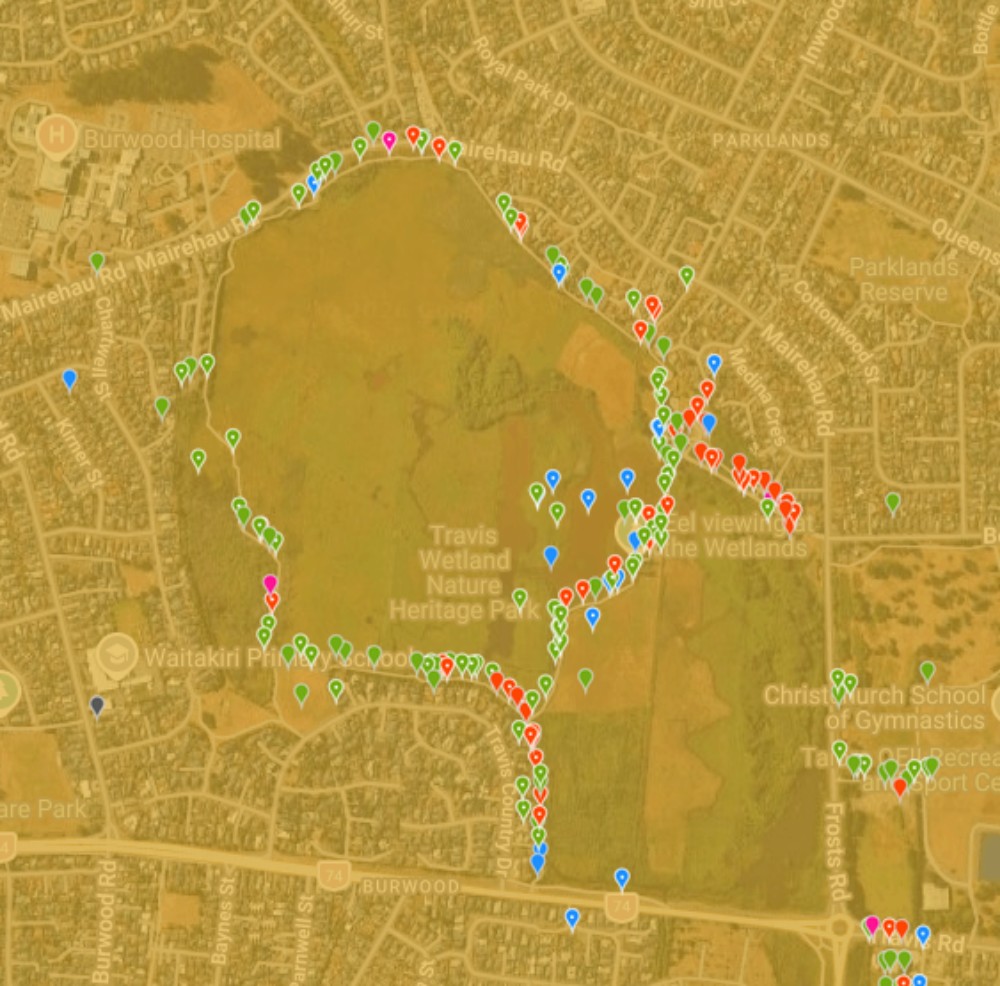
At the time of writing (7 May) the City Nature Challenge 2026 is moving towards its conclusion. Observations were made from 24 to 27 April but that’s followed by 2 weeks for uploading and identifying the observations. There was plenty of activity at Ōruapaeroa Travis Wetland. I counted 575 observations by 15 observers of 266 unique species. These ranged from Grabowski Bramble (pun intended?) to Australasian Pirate Spider, not to mention Inelegant Strap Lichen and Velvety Pill Woodlouse (not to be confused with the Common Rough Woodlouse, of which many were seen.) It seems there are quite a lot of woodlice species.
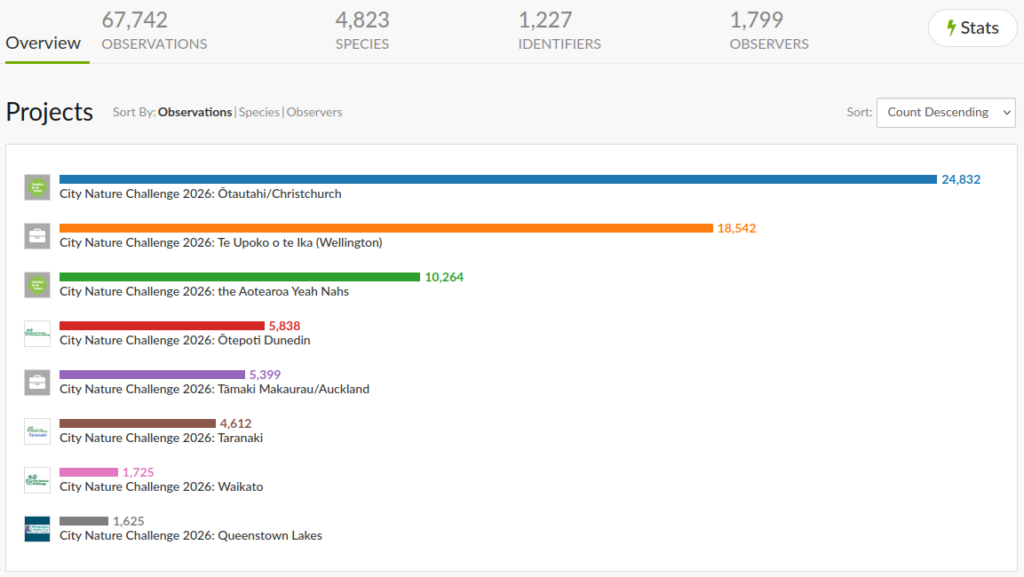
The result is not guaranteed until the final tallies are made, but Ōtautahi Christchurch is in the lead today. Jon Sullivan writes on the project’s journal: “If you’ve been watching our progress on the City Nature Challenge: Ōtautahi/Christchurch all years project, you’ll know that 2026 is ahead of all other challenges except our record-breaking 2025 for observations, and I reckon we’ll pass that this weekend. “
“For species, you might have puzzled over why our 2026 challenge is still only ranked fourth in species. As I write this, we’ve found 2,163 species. Note that the City Nature Challenge rules changed this year. In all previous Challenges cultivated plants and captive animals (except cats and dogs) were allowed. The 2026 Challenge is the first to go wild-only. Across all the challenges, since our first event in 2019, we’ve now found 3,766 wild species. Like, woah! That’s a lot of biodiversity. In the 2026 Challenge we’ve so far added 370 new wild species to our City Nature Challenge tally.“
Article: Dave Evans
Snippets from the Rangers
Matt and Alice have 6 culverts to install on the Wetland Walk between the cattle yards and Angela Stream. They are getting gravels for improving the track. Starting at the Angela Stream end (the wettest area) they will work our way back towards the yards. The hope is that funding can be found for turning this section of track into boardwalk.
Matt is also ordering gravel to improve the road to Southern Woods.
Along the Angela Stream path there has been a couple of times where the ride-on mowers have become stuck mowing along the wet grassy banks and have nearly ended up in the stream. There are also some areas where originally it was grass but are now very shady and wet where the grass has died. These areas will be planted with native species so that mowing in these difficult areas can be avoided. Low growing species will be used in some places to give a view point into the wetland.
Alice/Ollie & Jo completed the pest animal trap round towards the end of last month and the totals for April are: 106 traps checked. 27 pests trapped. 2 Hedgehogs, 5 Mice, 20 Rats. Some possum traps have been set.
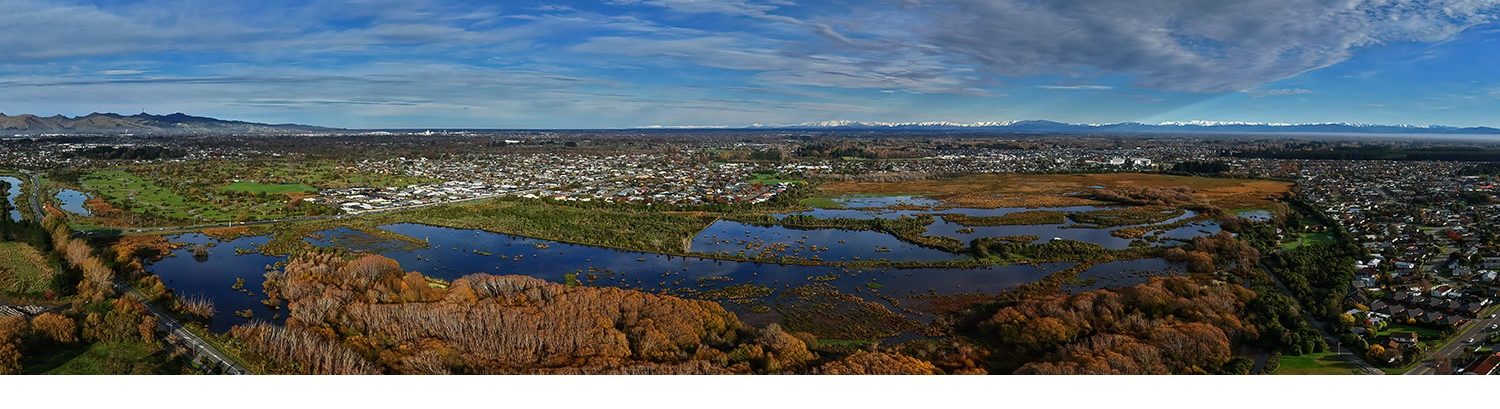
Recent images from Ōruapaeroa Travis Wetland
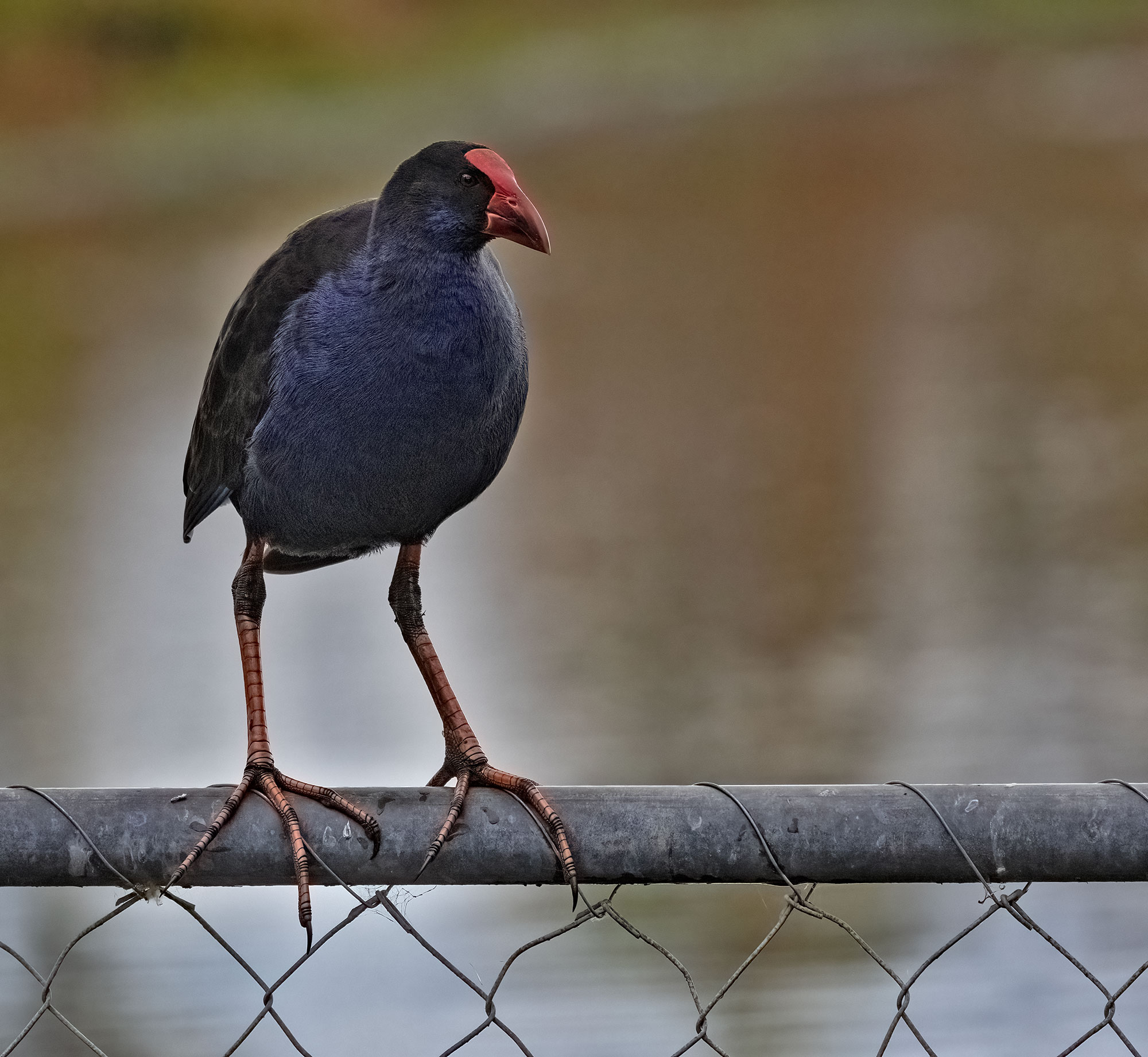
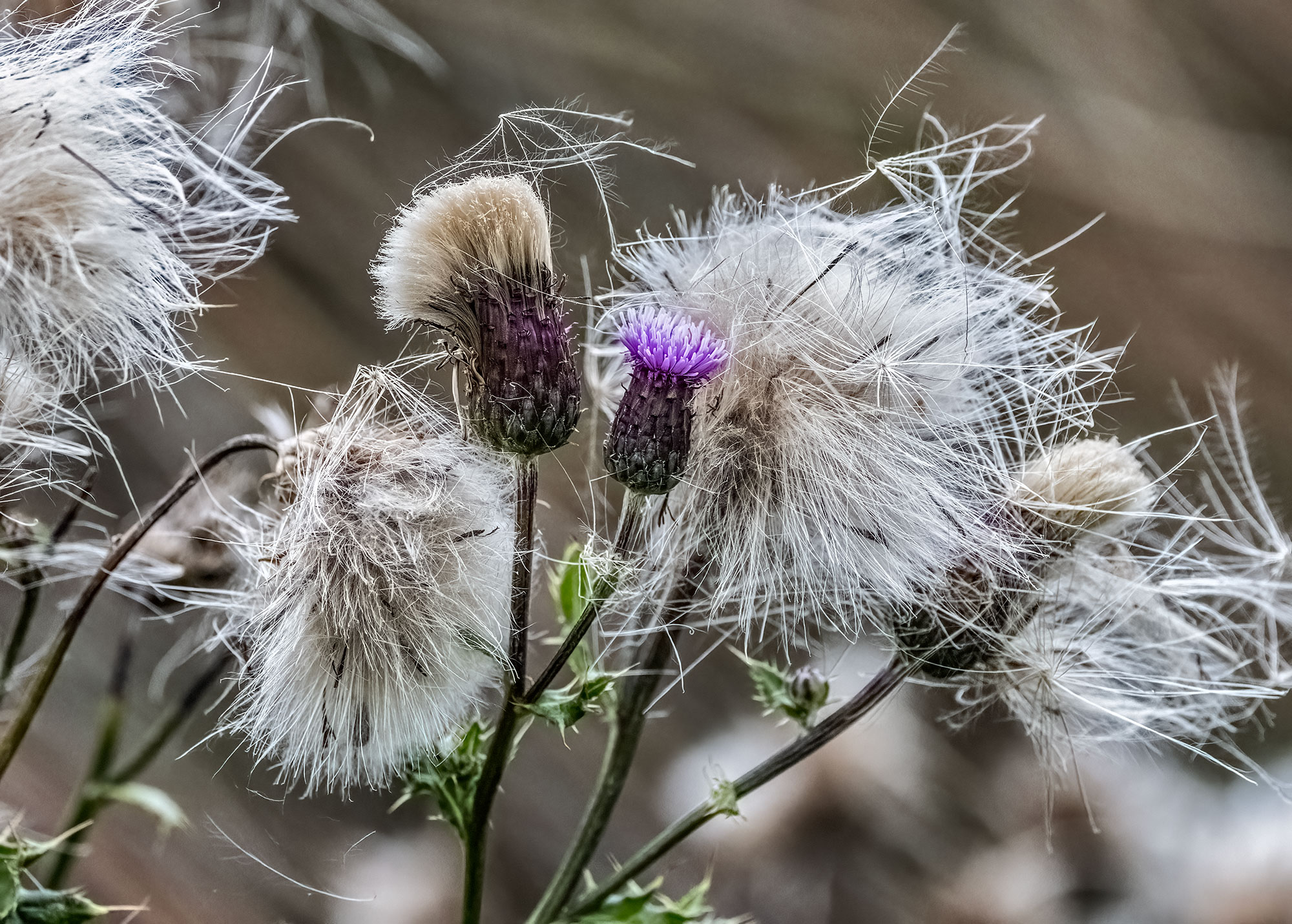
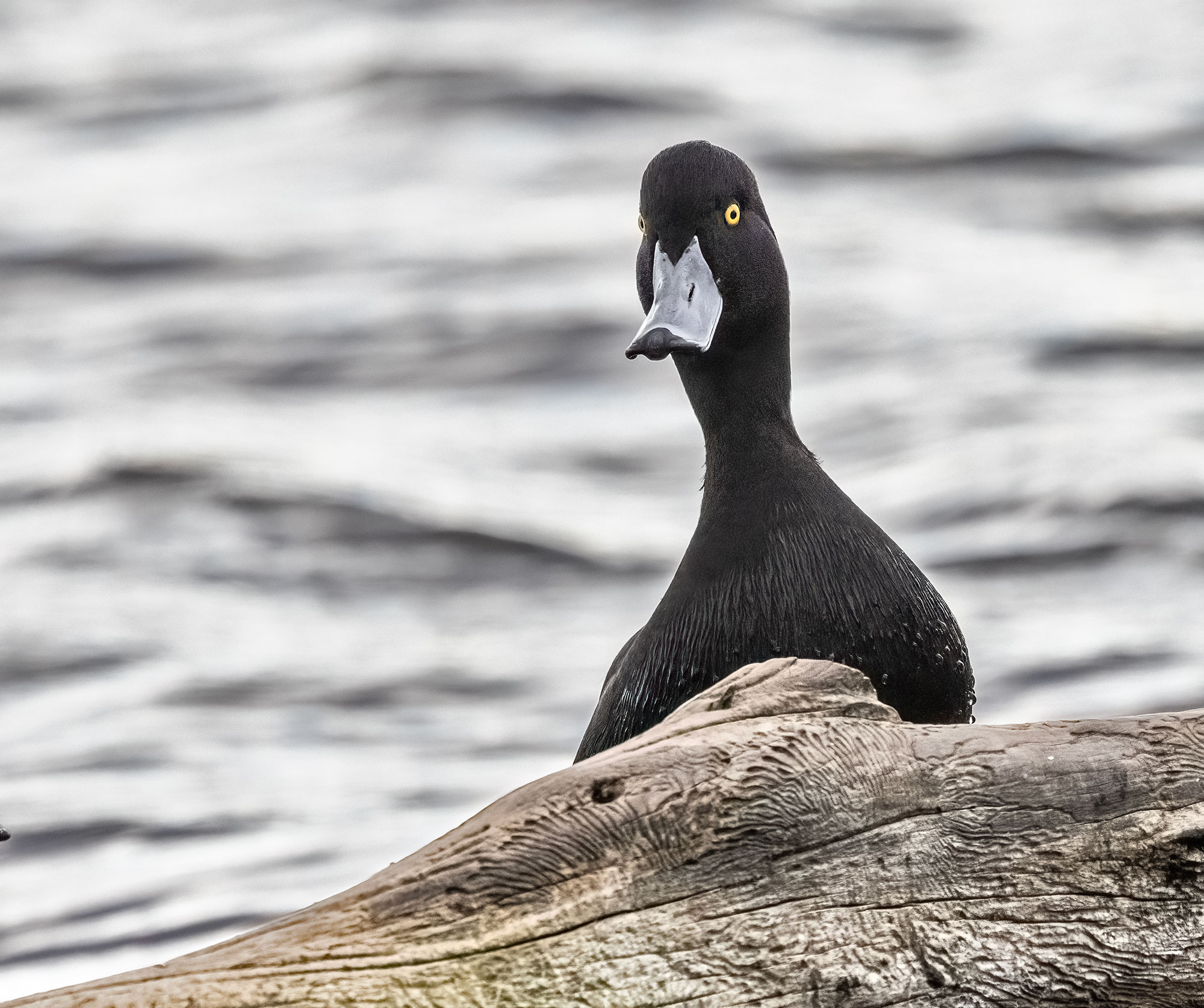
All images by Grahame