

All previous newsletters can be found here.
Work Day Reminder, February 21 2026
The next monthly work day will be from 9.00am – noon this coming Saturday.
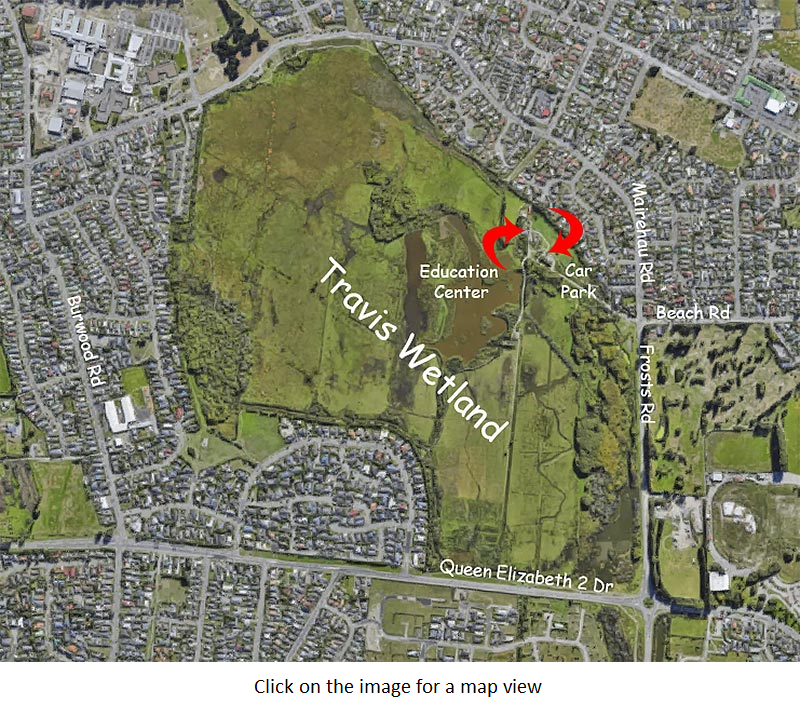
This month we’ll most likely be weeding somewhere around the wetland. If you arrive late there will be a notice on the Education Centre door explaining where we have gone and a phone number for you to call if you need more guidance to our location.
All tools provided. Gumboots are recommended, but not essential at this time of year. If you don’t have any we have pairs for loan at the Education Centre. Please bring your own gloves if you can, but we have some of them for loan too.
If the weather on the work day is poor and we decide to cancel then an email will be sent by 8am on Saturday morning. So if you think the conditions are marginal, please check your emails.
If you’re reading this on the website and are not on the email list then you can add yourself to it through the form at the foot of the home page. If you change your mind there’s an unsubscribe link in each newsletter.
Volunteers welcome
Would you like to volunteer to help with caring for the wetland? We would be interested to hear from you. You may have a community group, workplace or extended family that would like to be involved too. Please contact us via info@traviswetland.org.nz
Report on the last work day, 17th January
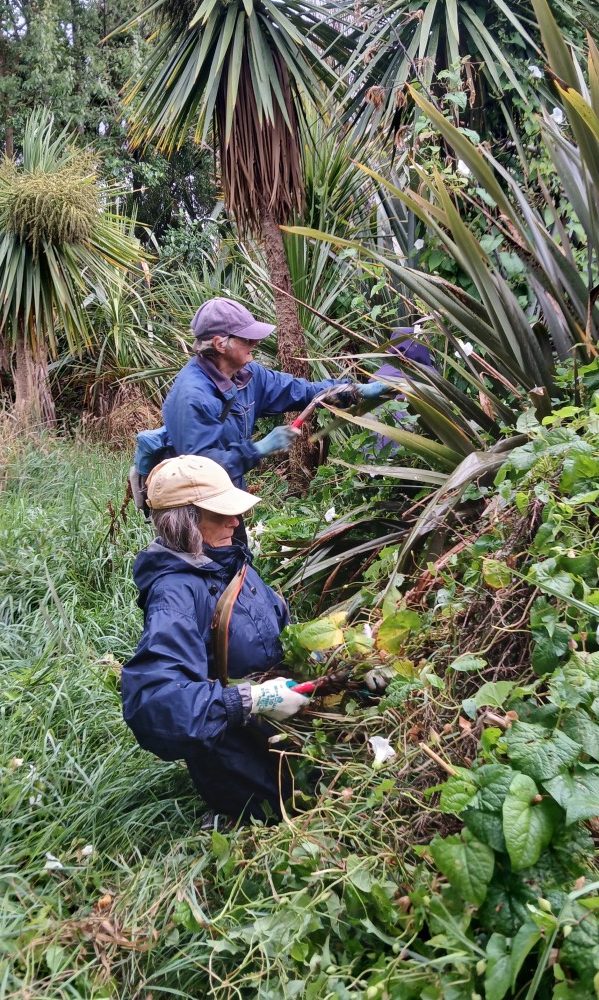
It was a drizzly start to the day for our 14 volunteers, but thankfully the rain stopped before our long walk to the southern woods. Most of us headed into a wooded area with a big convolvulus problem. We concentrated on small plants, such as Matāī, Coprosma and Pittosporum, as many of these were totally covered and bent out of shape. Nearby, Bruce bravely chopped away at a troublesome patch of honeysuckle.
Two other volunteers worked along the edges of the access track, releasing around small-leaved Coprosmas and other smothered natives. Yet another group ventured over to Clarevale, planted plume grass and removed more convolvulus.
A burst of drizzle before midday made us very grateful for warmth and refreshments at the Ed Centre. Thanks everyone.
Article and image: Sue Britain
World Wetlands Day Walk
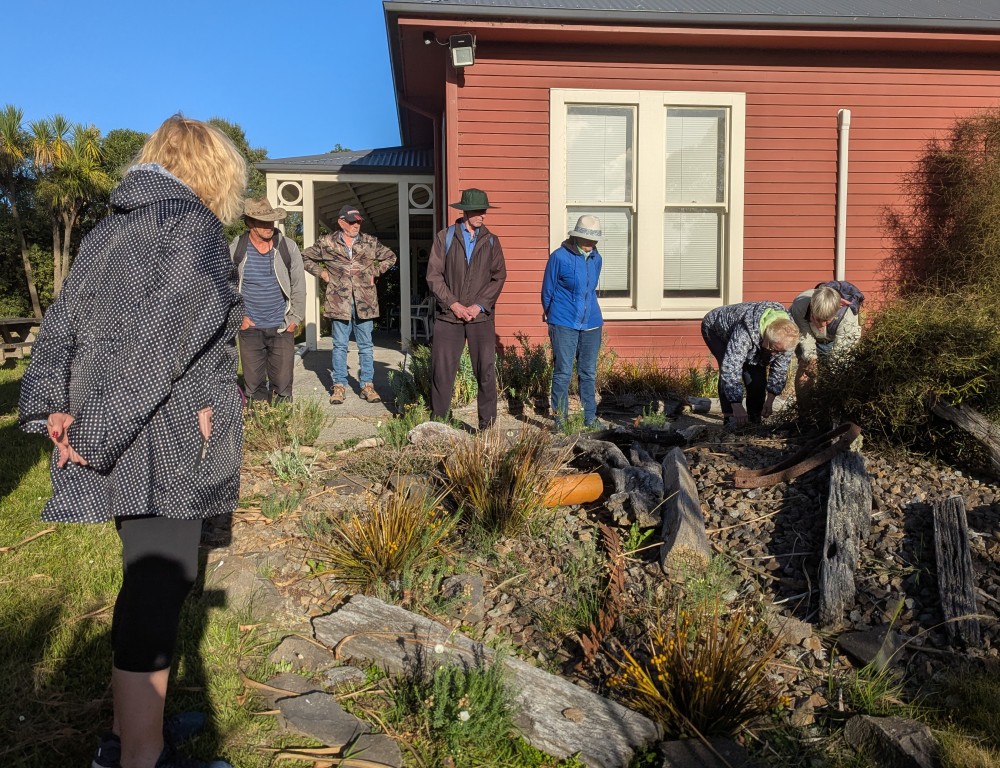
On the evening of Sunday 1 February thirteen of us met at the Education Centre to celebrate World Wetlands Day the following day. There was a chilly breeze (for February) but the evening light over Ōruapaeroa was, as it often is, breathtaking. As we gathered Eleanor spotted a small green stick insect in the kānuka by the car park so we stopped to admire that before moving on to the lizard garden on the sunny side of the Ed Centre. All the lizards were tucked up among the sun-warmed rocks so we proceeded along the track parallel to Mairehau Rd.
We tried to ignore the ever present weeds down the bank and looked over them to the wind tossed waves on the sea of Raupō. We hoped to spot bag moths nestled in the bushes beside the path but they were unusually few in number. The growth of the bushes on the dune at the northern end of the wetland never ceases to amaze, though it is actually quite a few years since they were planted by pupils from Waitākiri School. Care and watering by the Willing Wednesday Workers has helped them through critical times.
When we reached Anne Flanagan Dell in the NW corner near Burwood Hospital we stopped to remember Anne Flanagan who fought to preserve the wetland while also fighting cancer. Trust board member Carol Ryan, who is Anne’s daughter, spoke of how much energy Anne put into the cause at a time when Anne didn’t appear to have much energy to give – but she did it all the same. One of the boards of the walkway in the dell is inscribed with the words: “A Reward for Anne after years of Dedicated Service”. She truly gave her life to Travis Swamp.
Article and image: Dave Evans
Mountain Wineberry ( Aristotelia fruticosa )
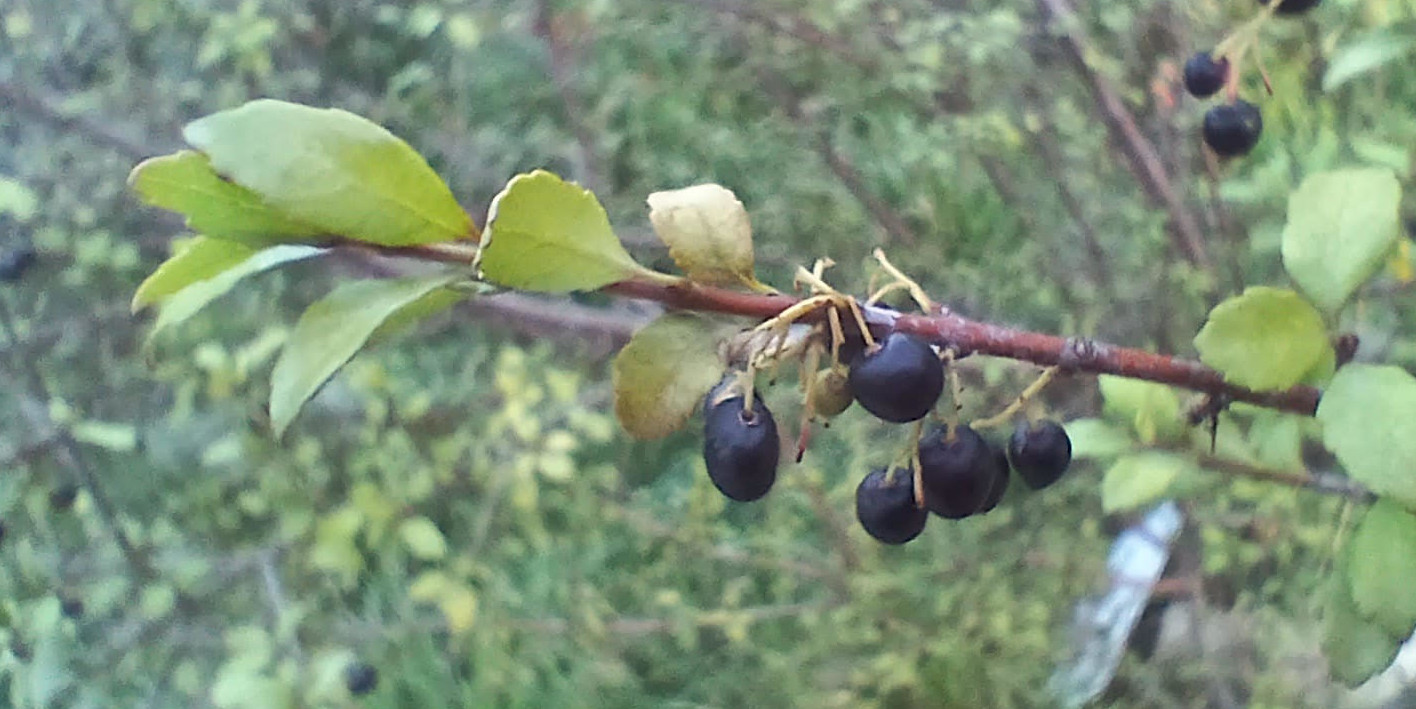
This endemic shrub grows up to 2m with dense divaricating branches. Its adult leaves are small, tapered and shiny dark green in colour.
During our recent World Wetland Day walk we stopped to admire its tiny black berries. These may vary in colour from white through to red and black, following on from similarly variable small white to red flowers. Our plant was also bearing dangling specimens of female bag moths (Liothula omnivara) in their conical homes.
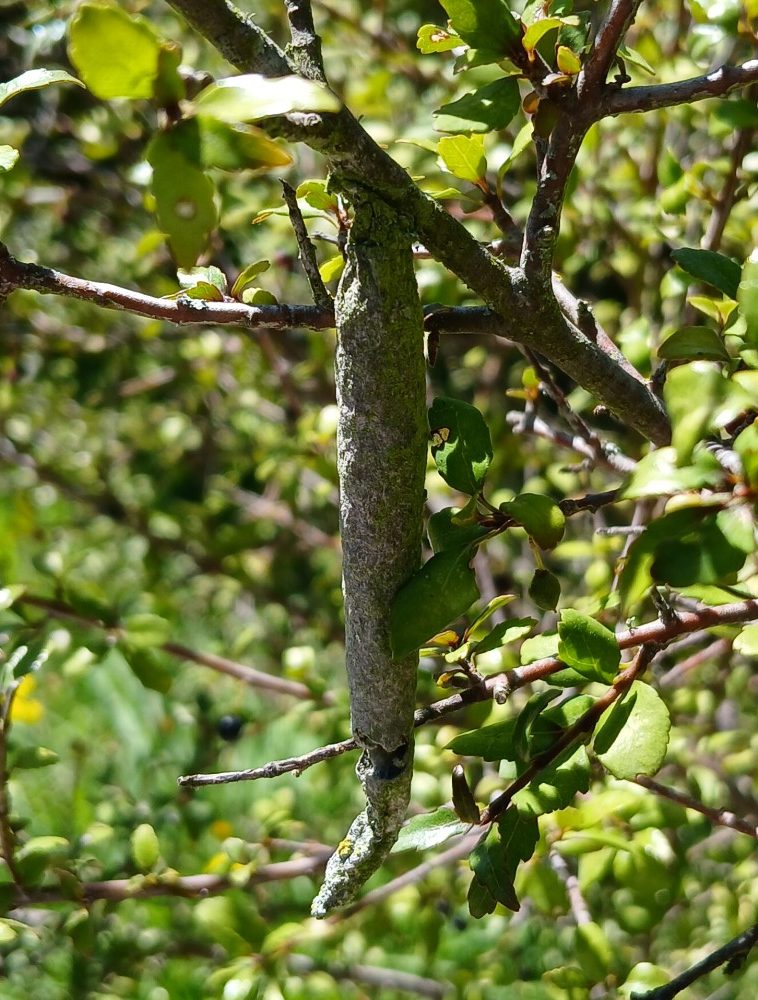
The shrub provides shelter and food to other native species and its berries are especially valuable food for birds during autumn and winter.
Mountain wineberry, sometimes known as Makomako along with other wineberry species, had many uses for Maori. Its light wood was perfect for making bird spears and net floats, while its rongoā uses included relief for skin, eye and joint ailments. Early pakeha used the berries for making jam and named the plant for its use in wine making.
Information from nzpcn.org.nz and herbs.org.nz
Article and images: Sue Britain
Unarmed stick insect
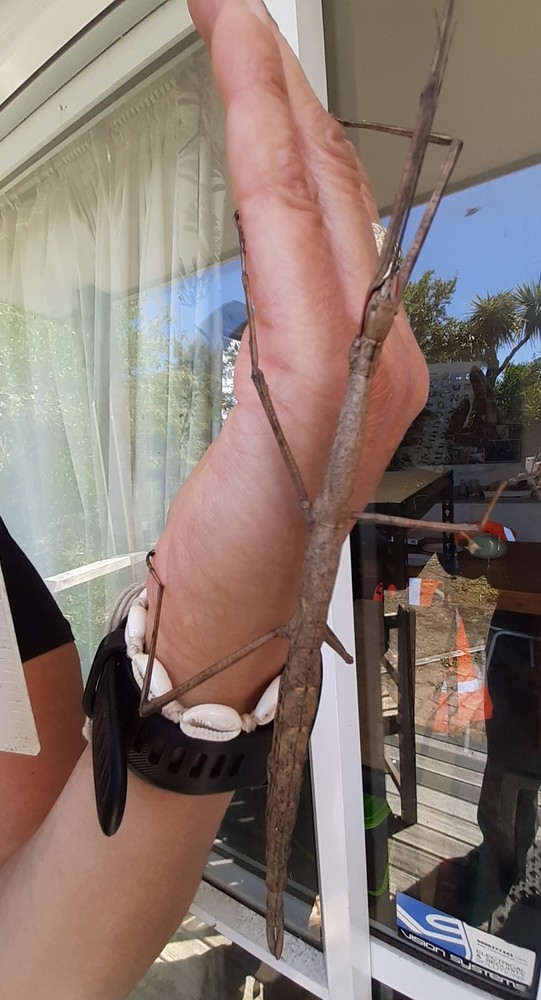
At the end of January a large stick insect was found on the window of the IDEAS cottage near the Education Centre. Eleanor writes: ”Cherie carefully removed it after taking her picture. The nearest tree was a large Plagianthus, it was possibly blown from there onto the building which is close by. Maybe it transported itself? It was totally intact. We returned it to the tree.”
Eleanor posted an observation to iNaturalist and it was identified by weekend_insect_hunter as an Unarmed Stick-Insect (Acanthoxyla inermis). Wikipedia says: “This species is native to New Zealand but has been unintentionally moved to Great Britain where it has grown a stable population and is the longest insect observed in the UK, and the most common of the stick insects that have established themselves on the island.” It could be that it’s called “unarmed” because it doesn’t have a prickly body to deter predators. Just like the Smooth Stick Insect (Clitarchus hookeri). How imaginative.
Article Dave Evans and images Eleanor Bissell
Bug of the year
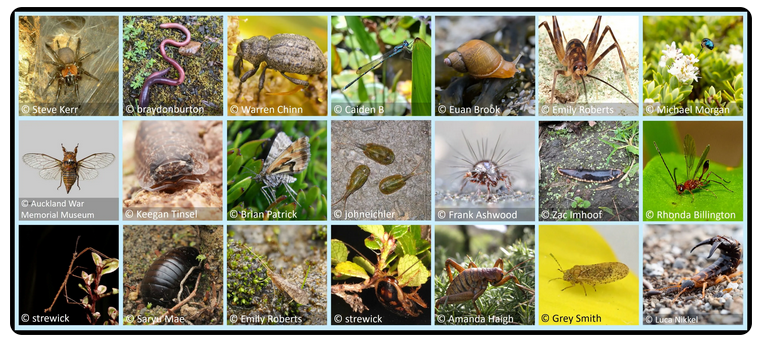
While on the subject of bugs you have until midnight tonight (Monday 16 February) to vote for Bug of the Year. There are 21 delightful bugs from which you can vote for 3. Do it now!
Great Willowherb Hunt
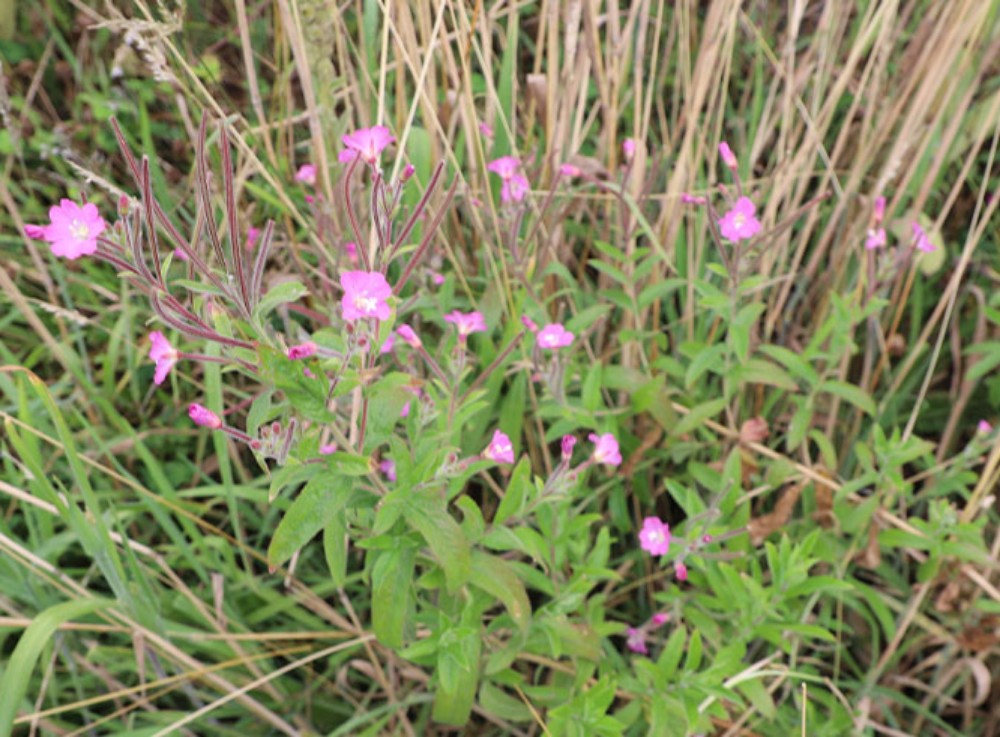
Over the past couple of months the rangers at Ōruapaeroa Travis Wetland have put many hours into searching for great willowherb plants. The plant has been featured in previous newsletters because it is present at the wetland. It is now being targeted by Environment Canterbury as part of its Great Willowherb Hunt as described in this recent news item. Here’s an extract:
We’re calling on Waitaha Canterbury residents to take part in the Great Willowherb Hunt – a summer campaign to track down one of the region’s most aggressive wetland invaders.
Anyone who reports a sighting between now and 28 February will go in the draw to win one of ten $100 Prezzy cards, adding an extra incentive to keep eyes peeled while out exploring.
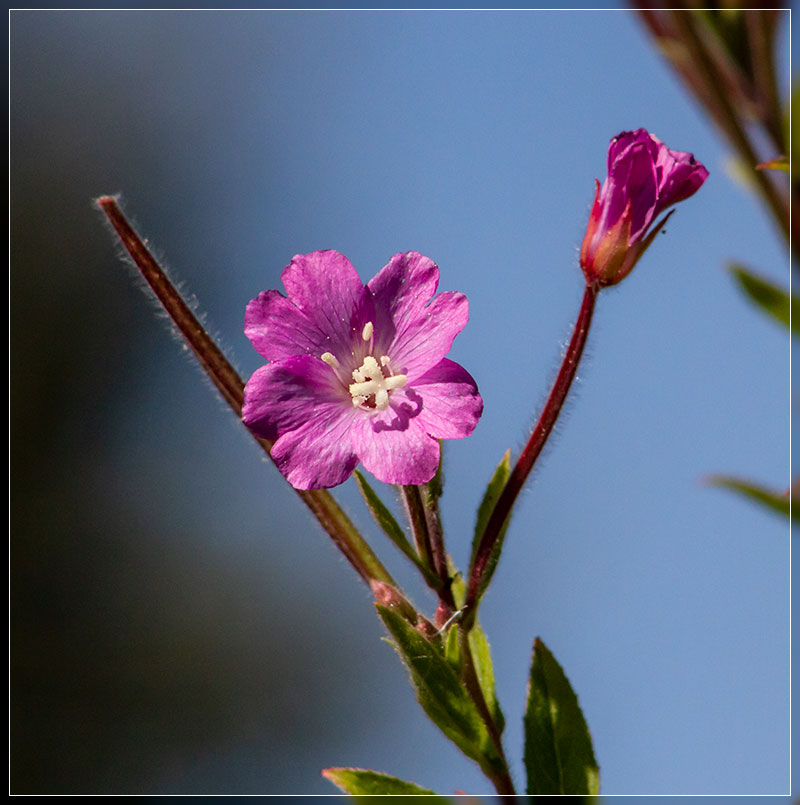
Quick facts about great willowherb
- Great willowherb (Epilobium hirsutum) is spreading rapidly across Canterbury’s wetlands and waterways.
- First found here in 2018, and Canterbury is still the only place in New Zealand where it’s known to occur.
- The tall, hairy-stemmed plant can reach two metres in height and is easily recognised in summer and autumn by its bright pink‑purple flowers.
- Forms dense stands that overwhelm native wetland plants, alter waterflow, and disrupt habitat for birds and invertebrates.
Images: ECan and Grahame
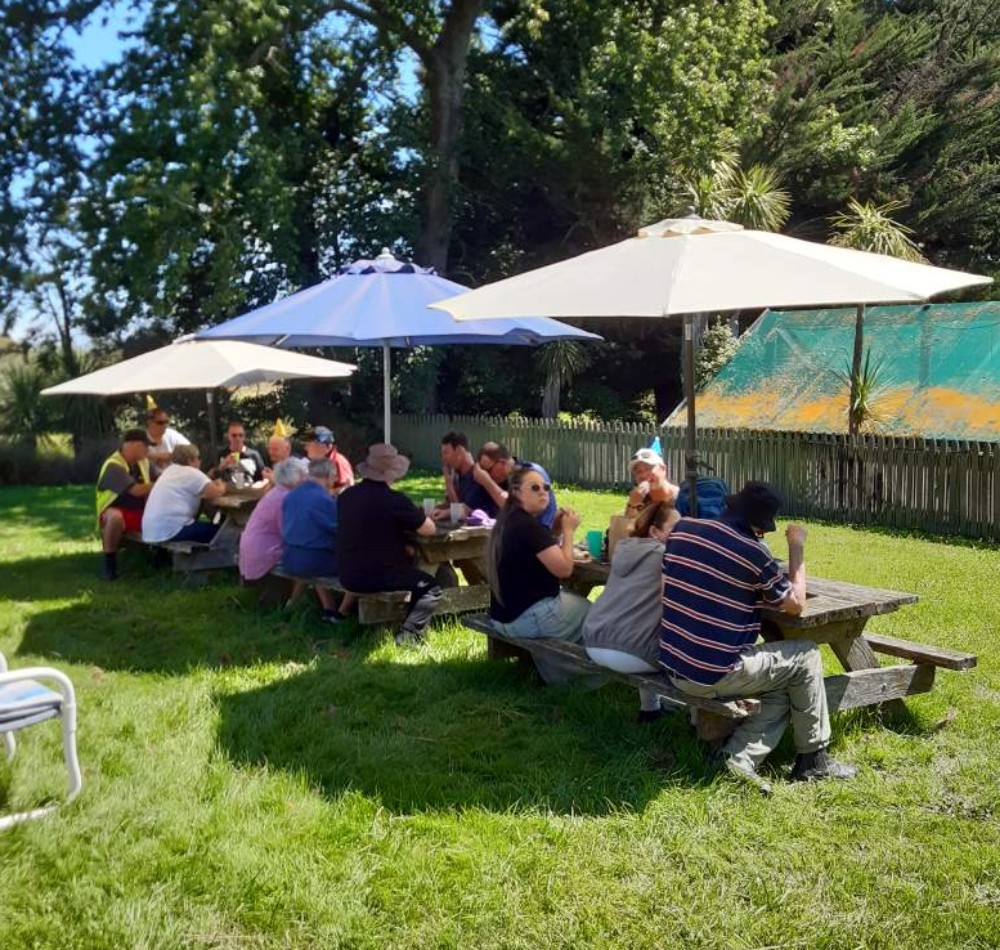
Birthday Celebration
Andrew, a member of the IDEA Services team that works at Travis, celebrated his 60th birthday last week. His mum contributed a delicious cake that was enjoyed by the team and also the Wednesday Wonderful Weeders. The weather was beautiful!
IDEA Services is New Zealand’s largest provider of services for people with intellectual disabilities and their families. A team from IDEA Services has been based at Ōruapaeroa Travis Wetland for many years and do all sorts of valuable jobs to maintain and enhance the wetland.
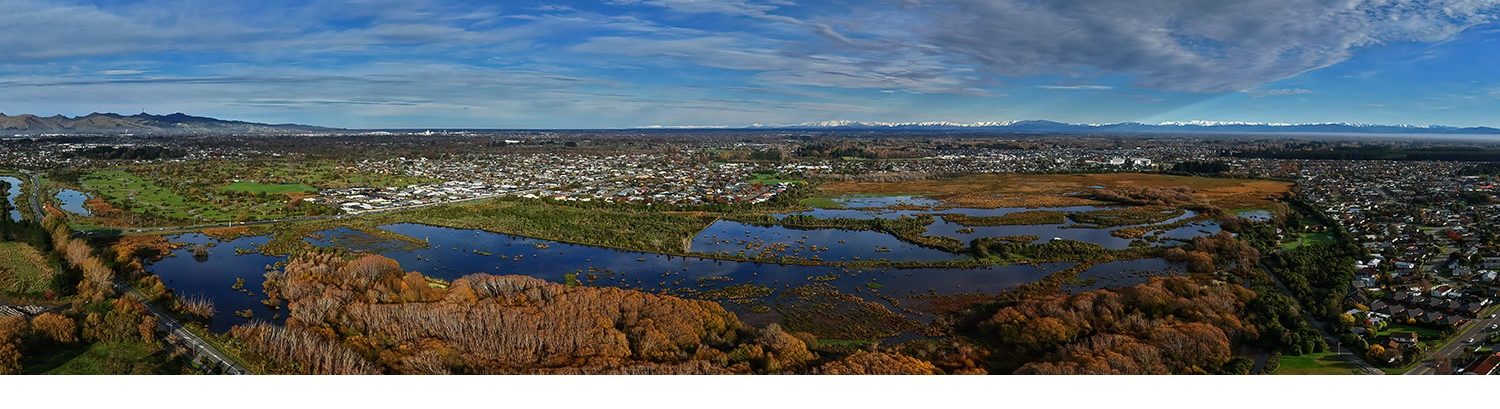
Recent images from Ōruapaeroa Travis Wetland
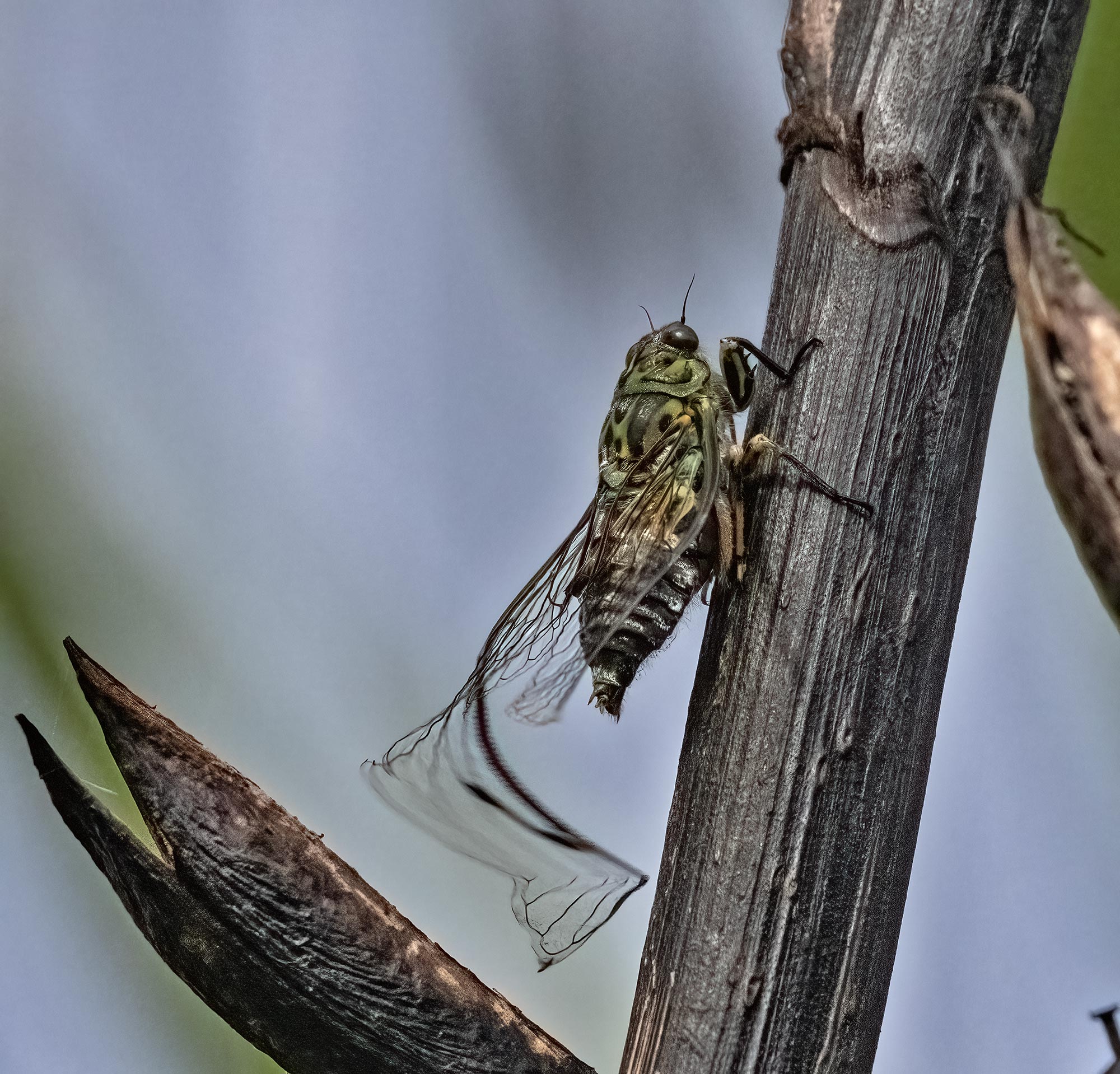
Exposure 1/8000 of a second.
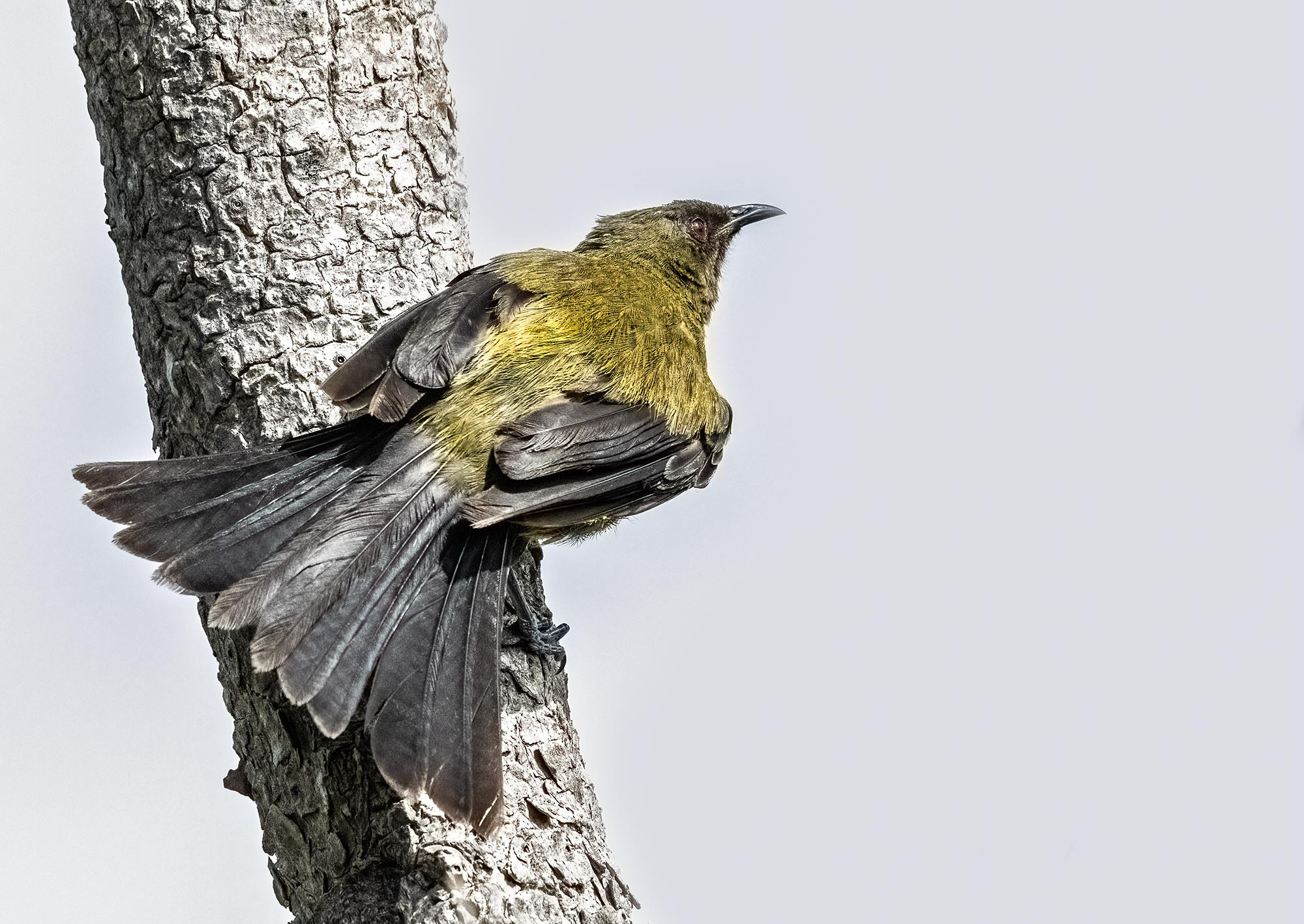
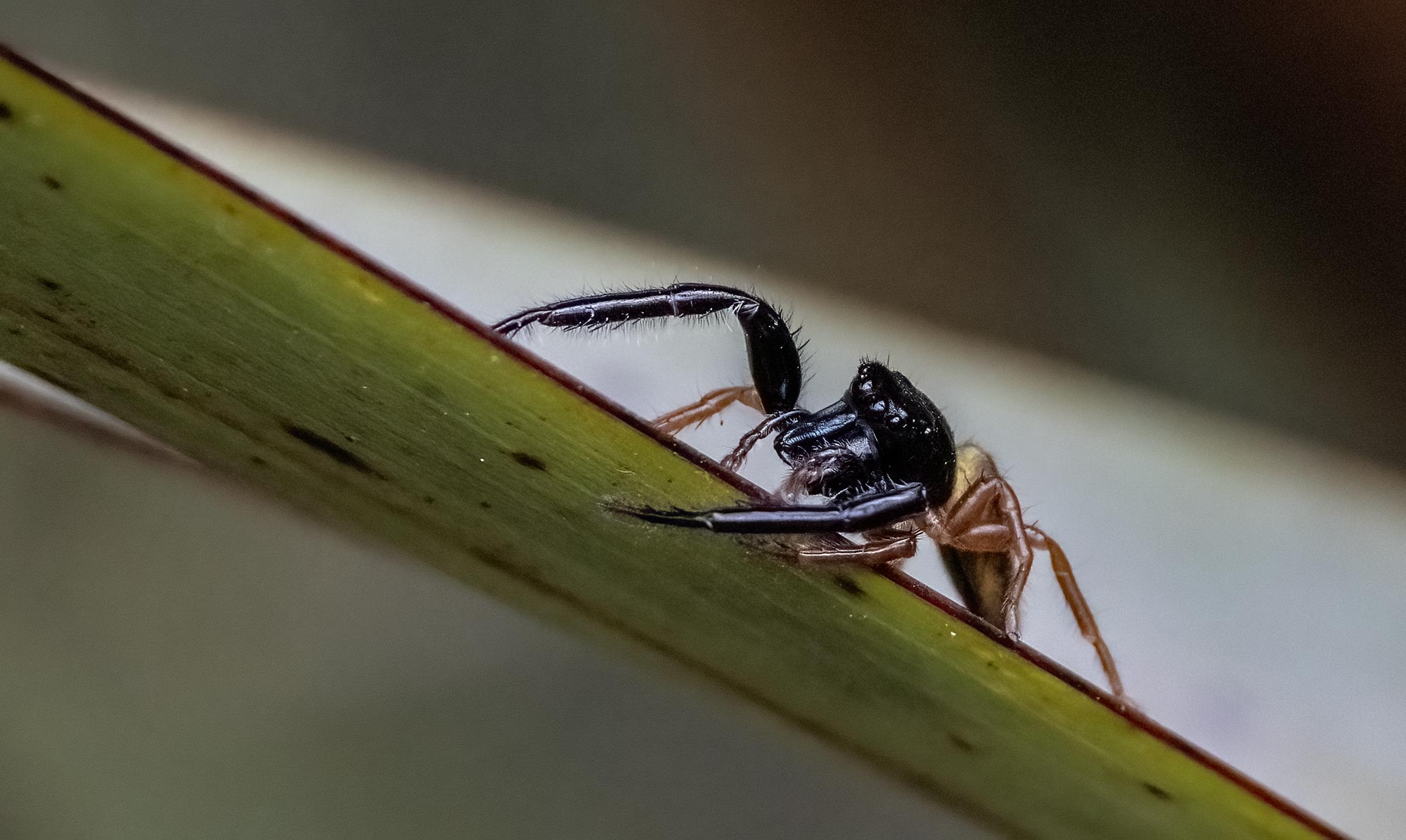
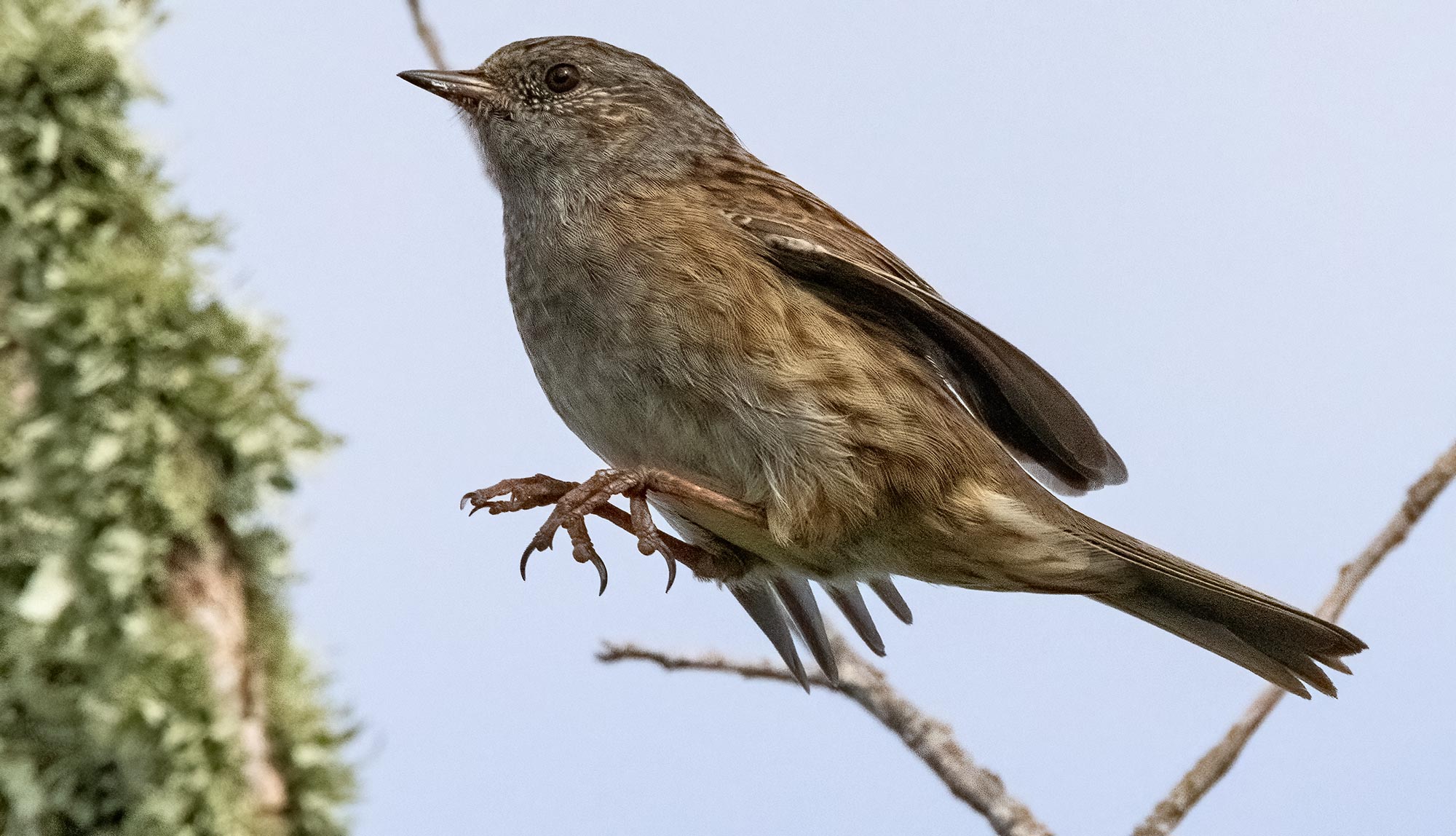
All images by Grahame