
All previous newsletters can be found here.
Work Day Reminder, June 21 2025
The next monthly work day will be from 9.00am – noon this coming Saturday.
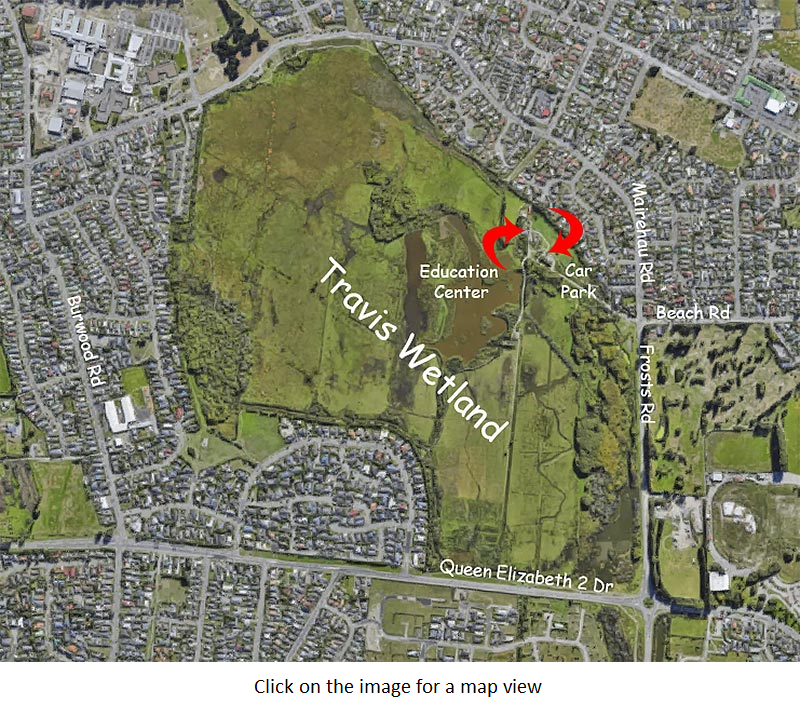
This month we’ll be doing some planting at Brooker Ave off New Brighton Road so please go there directly. Look for signs marking a turnoff from Brooker Ave to the right (eastwards).
If you arrive late there will be a notice on the Education Centre door explaining where we have gone and a phone number for you to call if you need more guidance to our location.
All tools provided. Gumboots are recommended. If you don’t have any we have pairs for loan, but you’ll have to come to the Education Centre first to get a pair. Please bring your own gloves if you can, but we have some of them for loan too.
If the weather on the work day is poor and we decide to cancel then an email will be sent by 8am on Saturday morning. So if you think the conditions are marginal, please check your emails.
If you’re reading this on the website and are not on the email list then you can add yourself to it through the form at the foot of the home page. If you change your mind there’s an unsubscribe link in each newsletter.
Volunteers welcome
Would you like to volunteer to help with caring for the wetland? We would be interested to hear from you. You may have a community group, workplace or extended family that would like to be involved too. Please contact us via info@traviswetland.org.nz
Latest News
Report on the Previous Work Day, 17 May
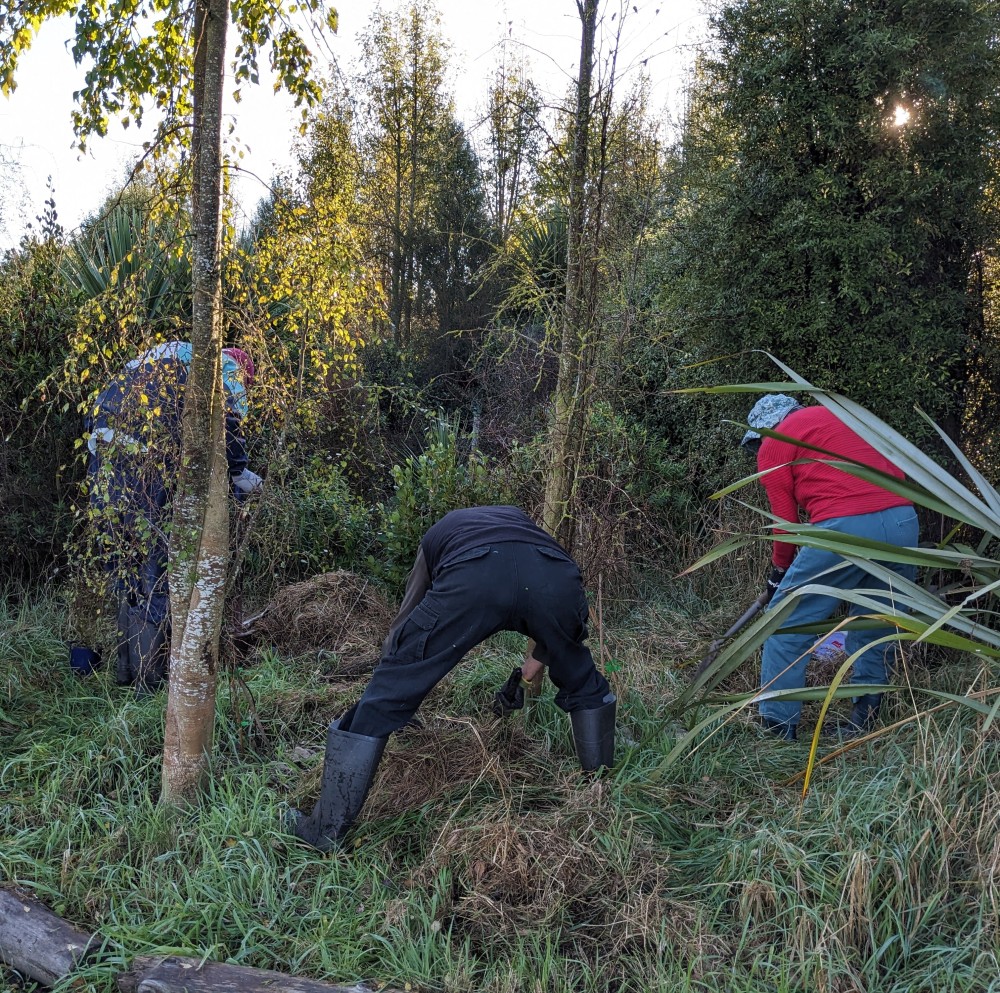
The sun was shining and the pūkekos were amorous as our team of 14 prepared for planting out about 70 specimens from the shade house. Plants included five finger, lancewood, toe toe and small-leafed coprosmas. Some were placed in the area north of the car park picnic table to fill in any gaps. This area was first planted in 2018 as part of Trees for Canterbury’s one millionth tree celebration and is now boasting a good variety of tall, healthy trees.
Other plants were placed near the entrance pathway and to the south of the entrance road. Some Blechnum ferns recently removed from our rare plants area were a perfect fit for soggy patches close to the path. Some releasing of existing plants was undertaken, particularly where mānuka and kahikatea were bent over and smothered by grass. Weed species such as blackberry, hemlock, nightshade and late flowering convolvulus were removed ,where possible.
Our team got everything planted in record time. Great work everyone.
Article: Sue Britain, image: Dave Evans
Windsor Independent Living Group visit
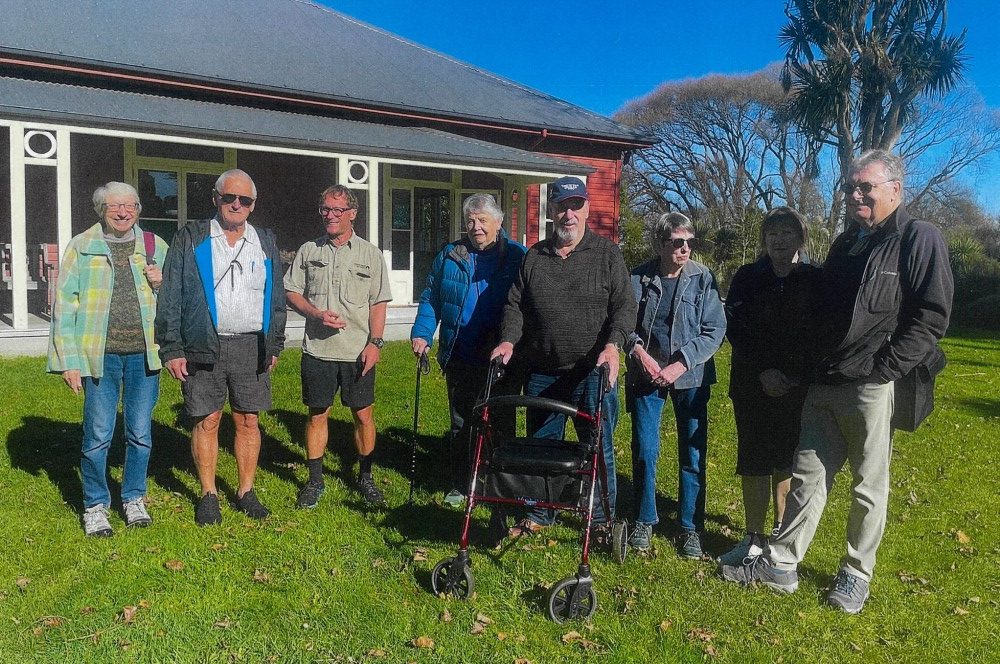
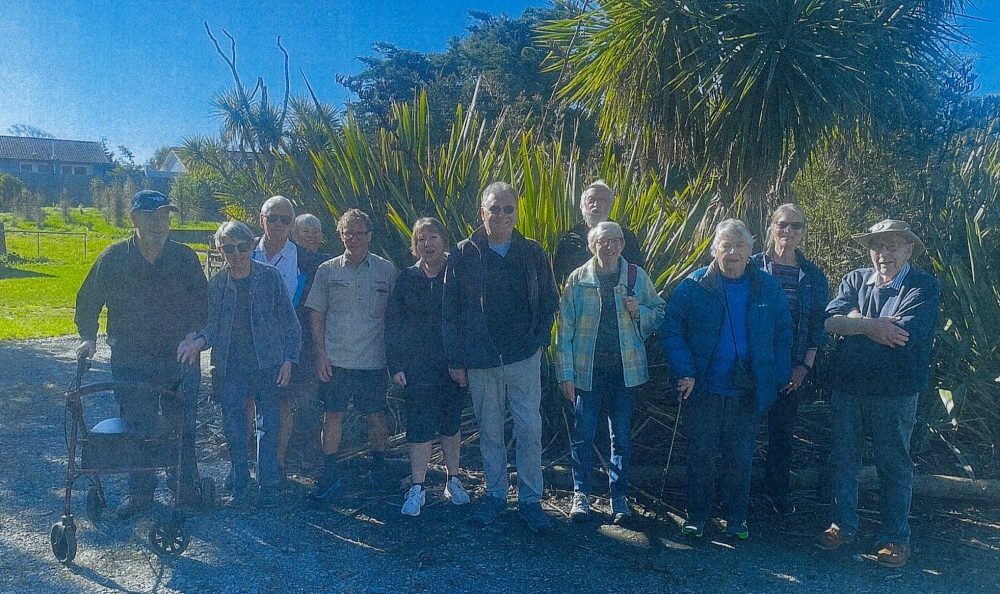
There was high interest in the Wetland from the Windsor Independent Living Group in May. The weather was brilliant for those who checked out the Bird Hide, the eel viewing area, old farm buildings and the lizard habitat in front of the Education Centre.
Indoors they enjoyed morning tea with biscuits and scones; especially those with jam & cream!!! Thank you, Carol.
On display were used birds’ nests collected from various places around the Wetland. (Good to see the variety.) Most of the nests did have plastic interwoven into straw, moss and feathers. (A reminder to us to dispose of our rubbish correctly.) The insect collection was there for all to see as well as a German Wasp nest, which was one of two large ones found out there last Summer. The wasps were very skillful building it, making a meticulous job several stories high, very similar to our parking buildings. A lifetime of work for them chewing dry grass and cardboard then using their spit to construct it so perfectly.
Also on display was a local rat’s nest, once again well-constructed by just intertwining dry grass perfectly. Trapping here is important.
Thank you to Joe Greenaway for reading some of your poetry and organising the outing.
Some of the visitors had not been to Travis before. We appreciated the donations too! It all helps! A very worthwhile time for all.
Article: Eleanor Bissell
Big Lake Kate Sheppard enhancement
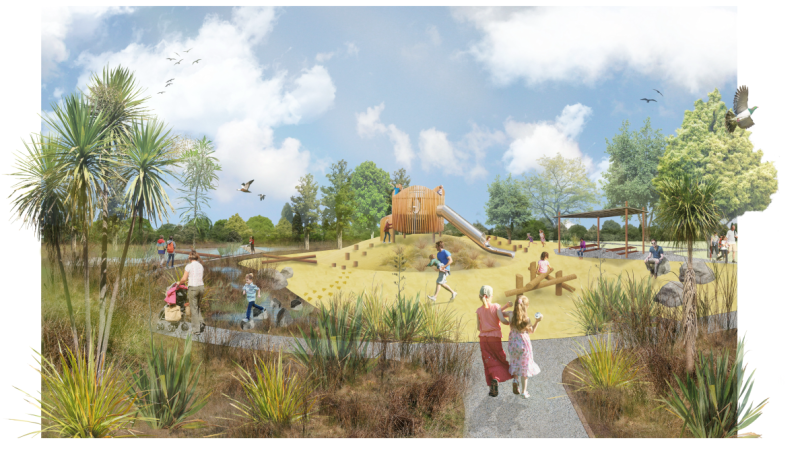
Christchurch City Council is planning improvements to the Lake Kate Sheppard (LKS) and Bower Park area to the east of Anzac Drive. While LKS itself will remain unchanged, the surrounds will be enhanced and protected as a natural environment.
Considerable planting has already been done by various school, community and corporate groups. In October 2024 Travis Wetland Trust and Trees for Canterbury (TFC) planted 700 trees near the site of the quake destroyed retirement village by the lake.
As well as enhancing natural ecology in the area the council plans to remove damaged roads and replace them with walking and cycling paths. Dune and swale areas will be built to assist drainage, provide views and encourage play. Natural play features, such as steppers and standing logs, will be added inspired by Maori play (mara hupara) ideals.
You can read detailed plans and have your say on development here.
The Trust’s planting day with TFC in October this year will be at LKS once again, so don’t miss this opportunity to contribute to the improvements.
Article: Sue Britain, image: CCC
Puffballs, Earthstars and Earthballs
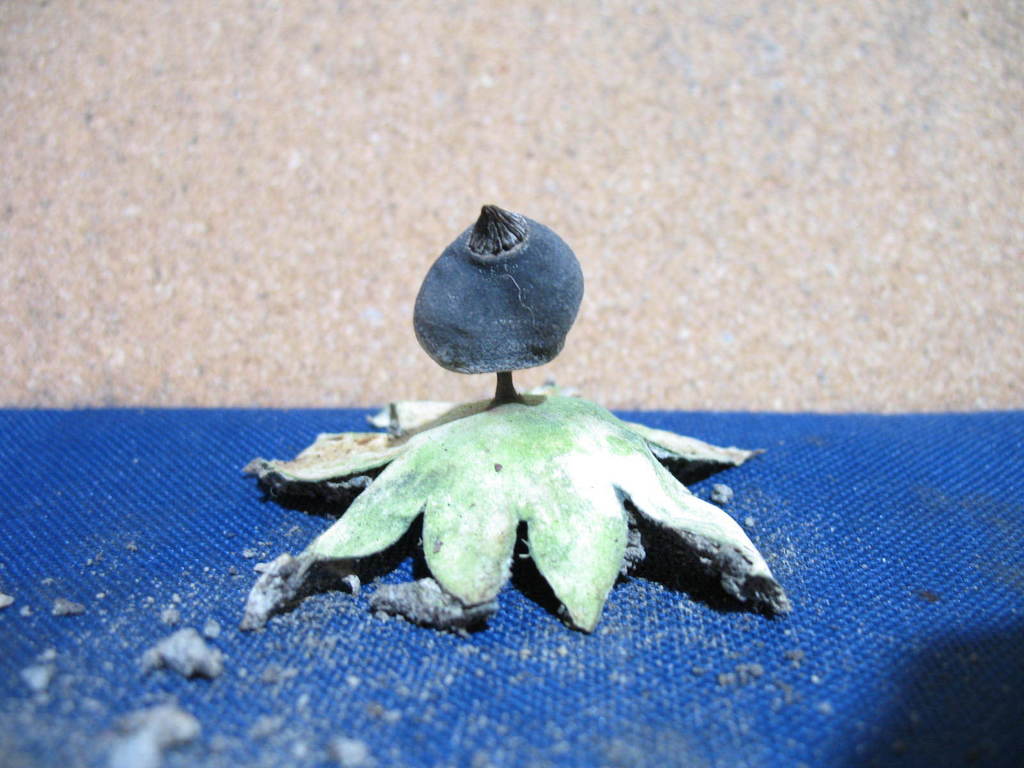
(c) Shona Treanor on iNaturalist
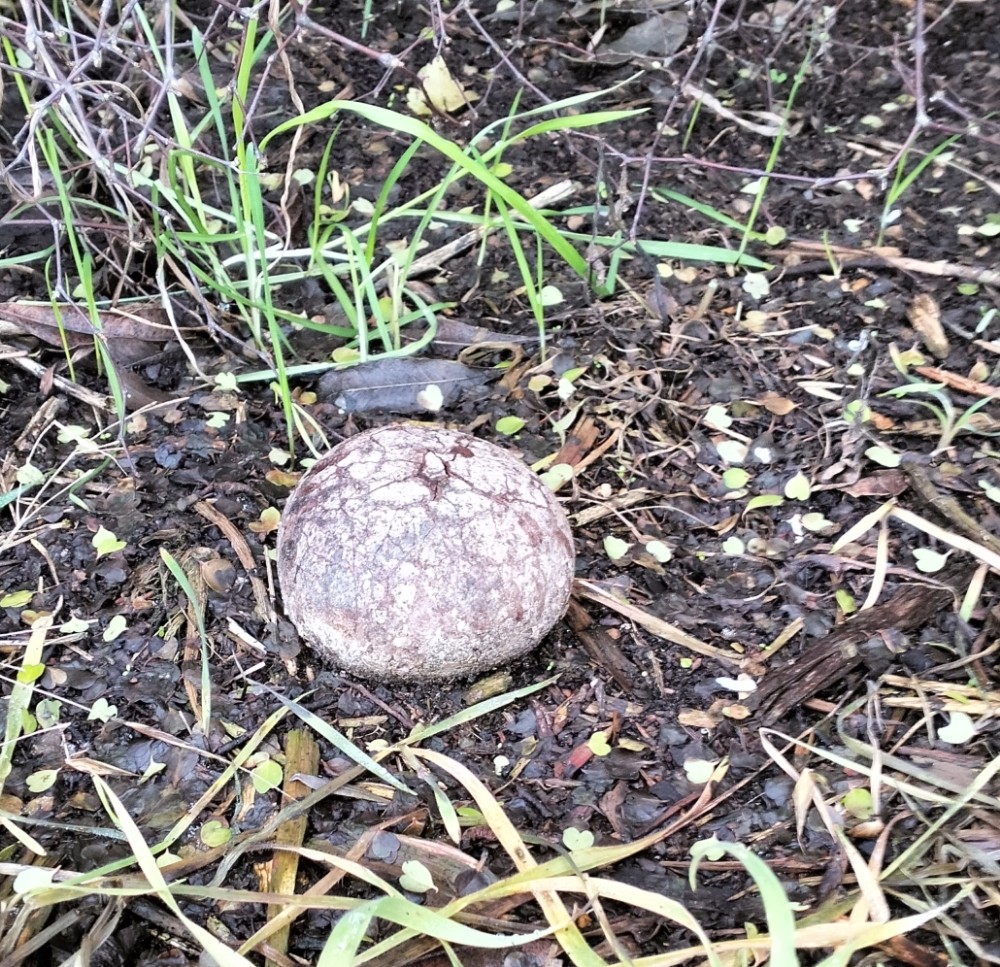
This wet autumn weather has been great for fungi of all types. When I saw that Eleanor had made an observation of an earthstar (genus Geastrum) at Ōruapaeroa Travis Wetland I was intrigued, as I had never heard of an earthstar before. They are similar to a puffball. For an earthstar “the spore case is surrounded at maturity by the star-like arms of the outer wall layer, which serve to elevate the spore case from its immediate surroundings facilitating spore dispersal by wind and rain”. When I went looking on iNaturalist I found that Shona Treanor had observed a mature earthstar at Ōruapaeroa in 2018 (see image).
(c) Shariah on iNaturalist
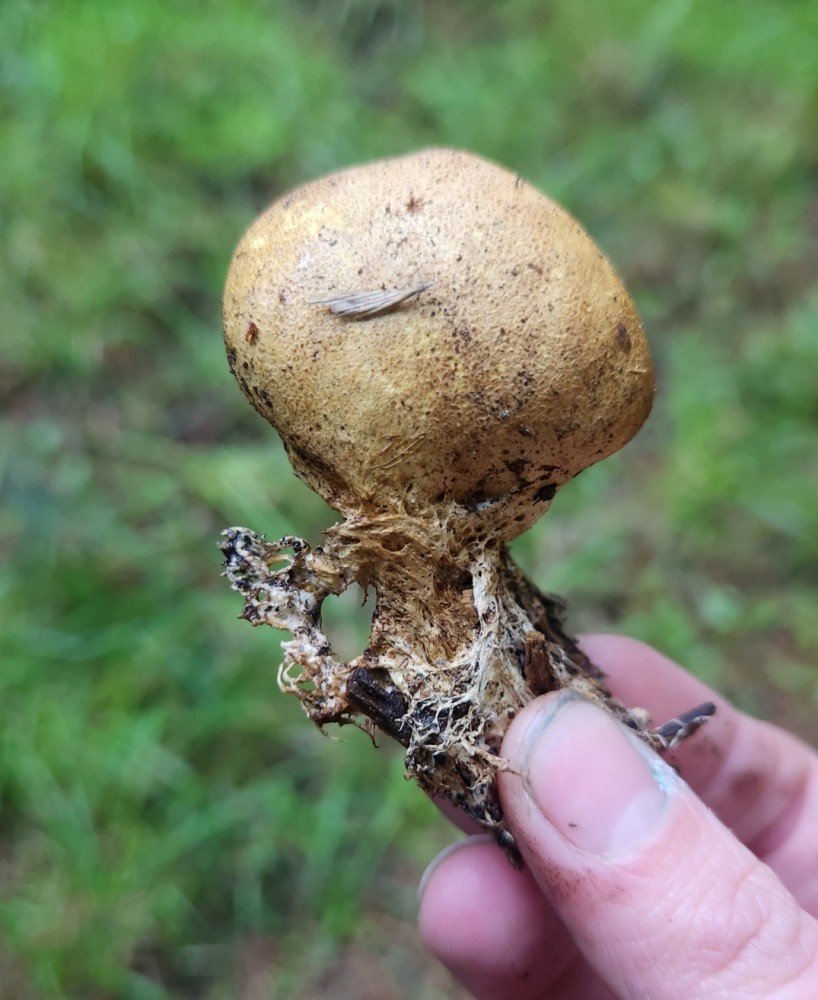
I was even more surprised when I found that earthballs are another fungi similar to puffballs. “Earthballs and dyeballs are medium-sized puffballs, with earthballs (genus Scleroderma) characterised by a hard, rind-like yellow or brownish spore case, with or without a stout sterile base, and opening through a pore or sometimes with the spore case opening out into an irregular star-like manner.” Like an earthstar without
(or with) the star points on the open case. It seems that it’s a tricky business to distinguish earthballs from earthstars! Eleanor has a recent observation of an earthball too.
(c) hawkette on iNaturalist
The common puffball (I’m sure you’ve seen plenty of those recently) is “a relatively small species (usually less than 3 cm across) with the spores being released through an apical pore”.
Quotations are from a Manaaki Whenua Landcare Research Fungal Guide.
Article: Dave Evans, images: as credited
Help hunt down hornwort
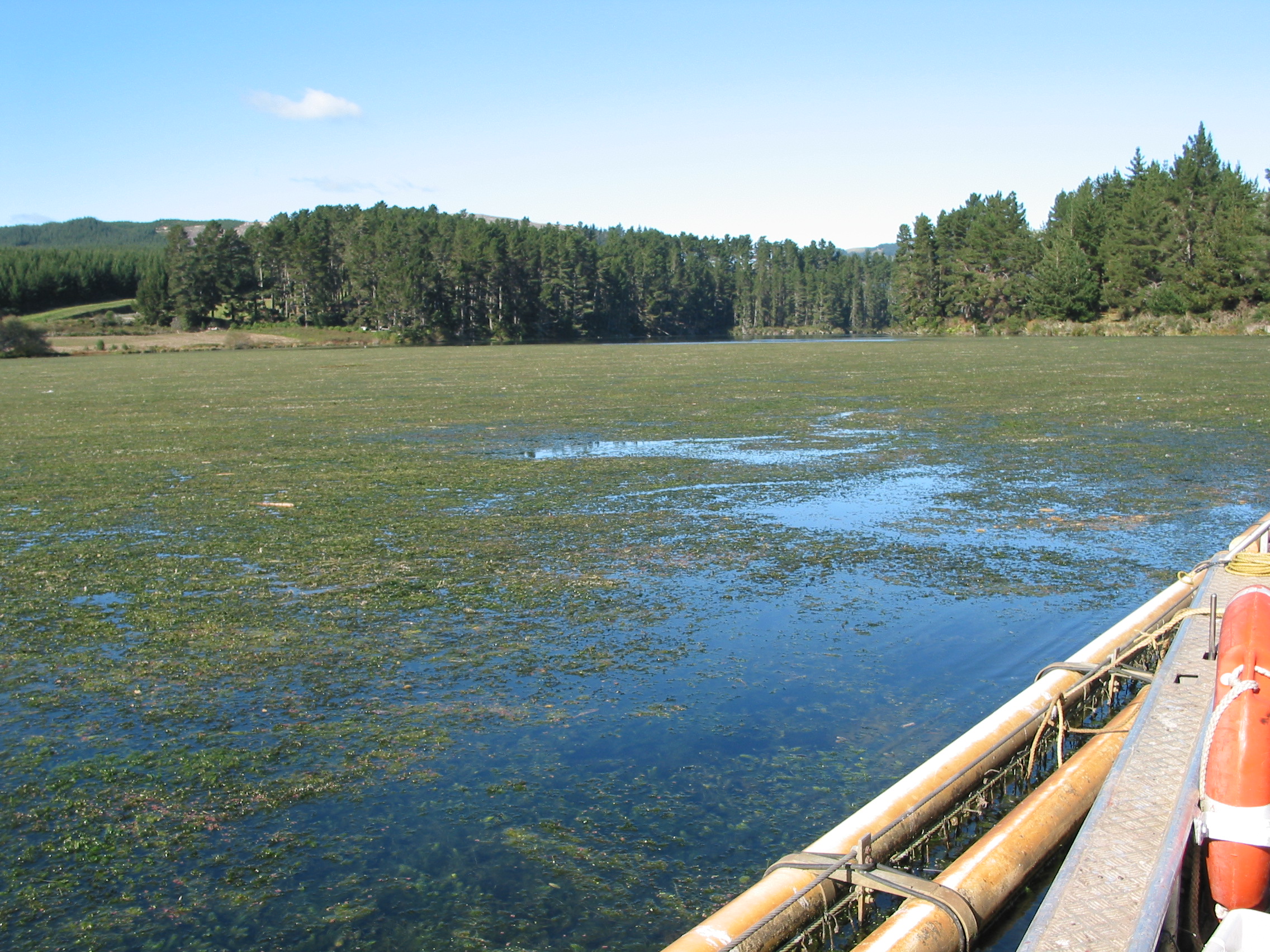
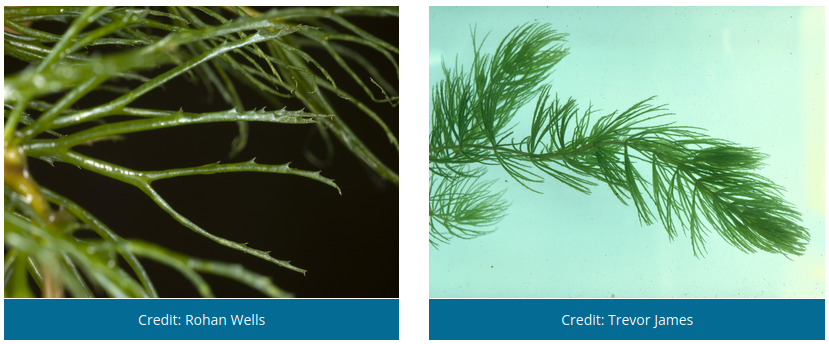
It sounds like something out of Harry Potter, but it’s a real weed that ECan is currently on the lookout for. The invasive aquatic plant hornwort (Ceratophyllum demersum) is reported as being bought and sold online in Canterbury.
If you think you might have hornwort in a home aquarium or pond, you’re not in trouble — in fact, you will be helping us. Take a picture, record the location, and report sightings to us on 0800 324 636 or via reportpests.nz.
For more information check out this news item on the ECan website.
Recent images
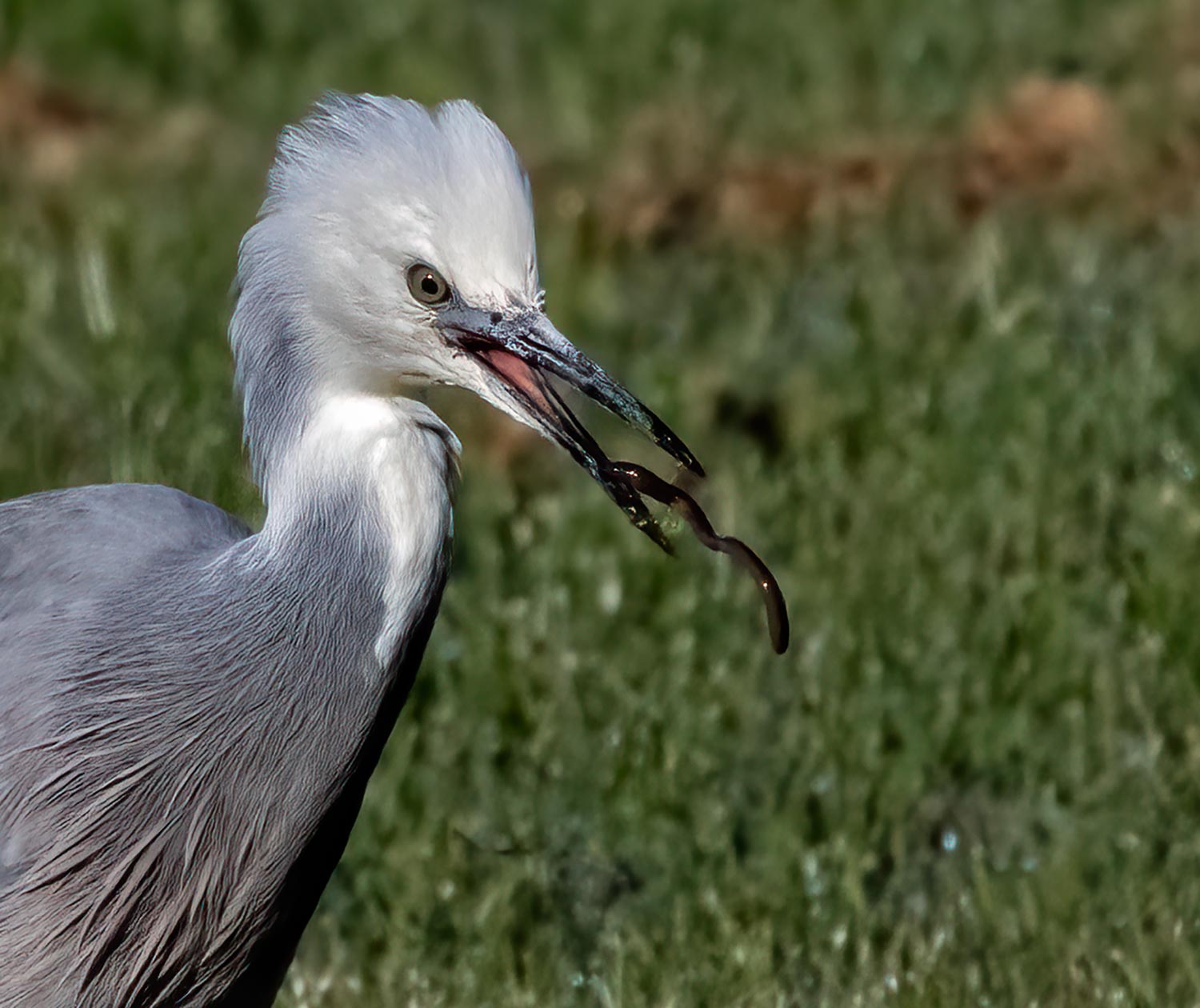
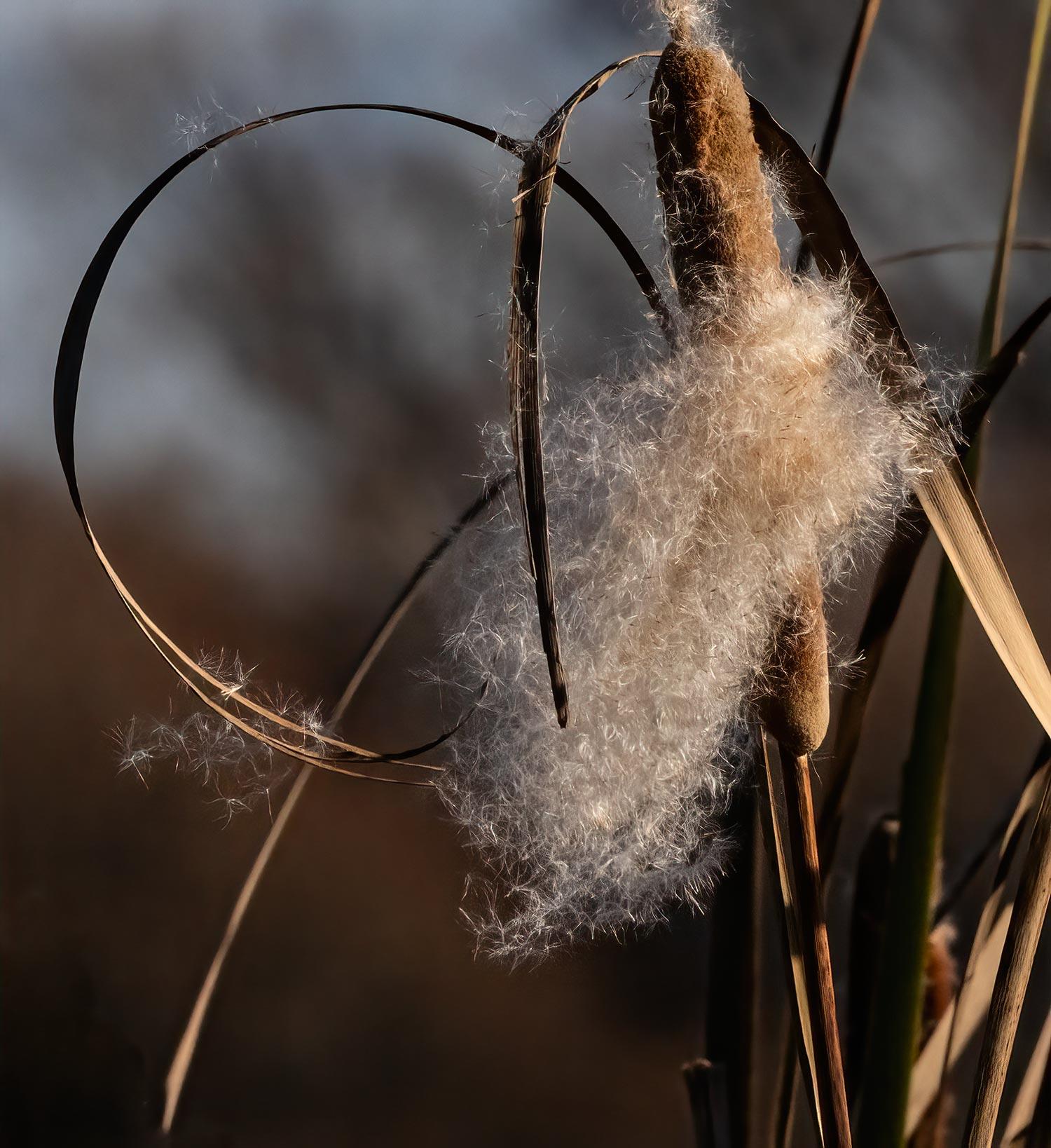

All images by Grahame