

All previous newsletters can be found here.
Work Day Reminder, March 15 2025
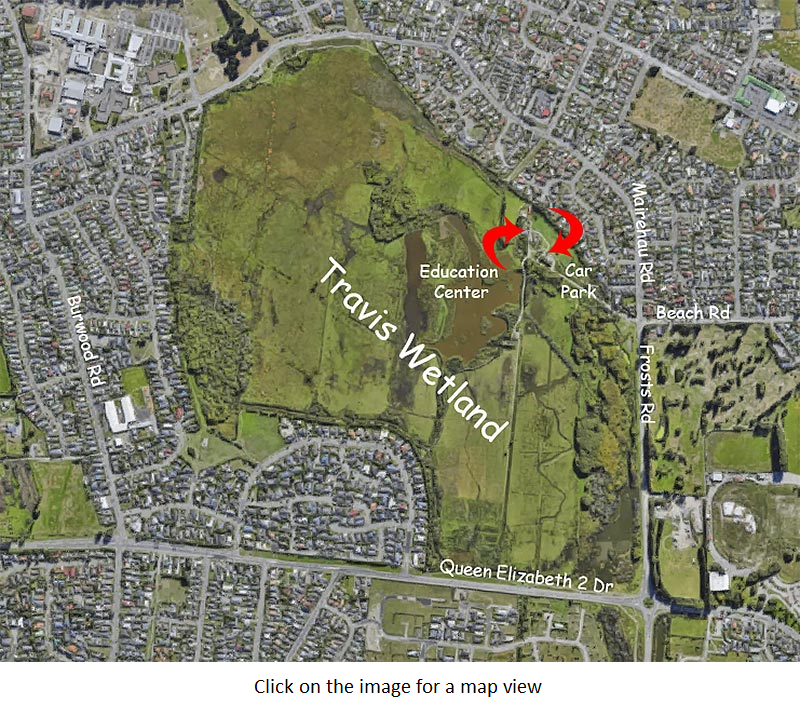
The next monthly work day will be from 9.00am – noon this coming Saturday.
This month we’ll be releasing plants from weeds in the Southern Woods area, including dealing with a patch of Japanese honeysuckle on the banks of Angela Stream.
If you arrive late there will be a notice on the Education Centre door explaining where we have gone and a phone number for you to call if you need more guidance to our location.
All tools provided. Gumboots are recommended, but if you don’t have any we have pairs for loan. Please bring your own gloves if you can, but we have some of them for loan too.
If the weather on the work day is poor and we decide to cancel then an email will be sent by 8am on Saturday morning. So if you think the conditions are marginal, please check your emails.
If you’re reading this on the website and are not on the email list then you can add yourself to it through the form at the foot of the home page. If you change your mind there’s an unsubscribe link in each newsletter.
Note that next month’s work day will be on the 12th of April
to avoid Easter Saturday
Latest News
Report on the Previous Work Day, 15 February
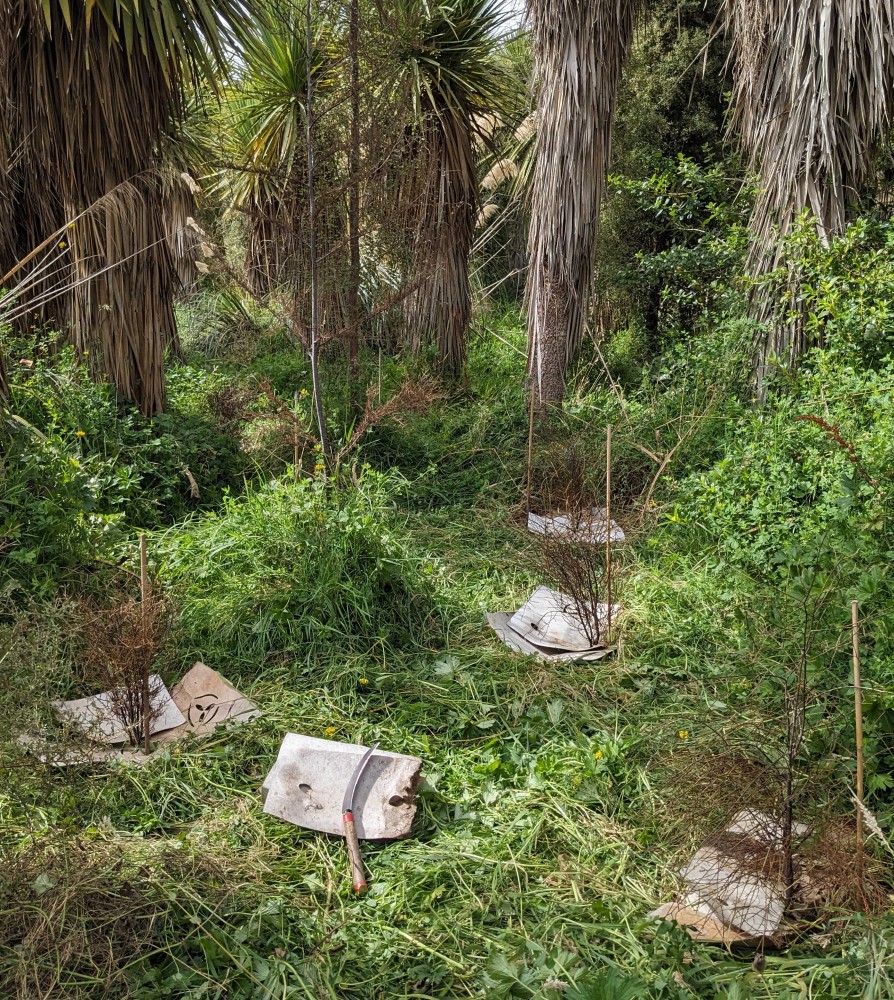
A group of 18 volunteers turned up for a fine morning of work on the edge of the southern woods. Colin’s friends Fred and Cindy from America joined in with our efforts to beat the weeds.
Pleasingly only a small number of Hairy Willowherb plants were found, thanks to ongoing surveillance by rangers. Volunteers near the main track found plenty of beggar’s tick and hemlock, plus a patch of invasive yellow flag iris which has since been removed. A few of us ventured into a little visited area to the west and found a jungle of long grass and lotus. Our weeding efforts revealed about 30 small but healthy mataī, plus some kahikatea and marsh ribbonwood.
The morning finished with revitalising chatter and refreshments. Thanks everyone.
Article: Sue Britain, image: Dave Evans
Paper Wasps

Three species of non-native paper wasps of the genus Polistes are present in NZ. The Australian species P. humilis has been here since the late 19th century in the North Island. The Asian species (P. chinensis) and the European (P. dominula) arrived more recently and are known around the South Island, including Canterbury
Compared with our exotic Vespula wasps (Common and German) paper wasps have very slender waists, though colouring is similar. They have distinctive flight with dangling back legs, sometimes appearing to hover like a drone.
Paper wasps live in pastures, scrub, bush edges and urban environments, favouring rain-sheltered positions. Their nests are like paper mache, made by chewing plant fibre and are often found hanging by a stalk from outer tree branches. Individual brood cells can be seen and nests may resemble a pear or bell. Several nests have been found at Travis and volunteers have been stung while weeding. Generally these wasps are less aggressive than Vespula species and usually sting as a warning in the vicinity of the nest.

A fertile female starts to lay eggs when at least 6 brood cells are ready in a nest. In summer eggs may reach adulthood in 1 month. Male and female worker bees keep busy enlarging the nest, feeding larvae and even fanning the cells in hot weather. Nests usually fail in winter and may reach 200 cells in size by then.
Look out for more information about these pest species in next month’s newsletter.
Article: Sue Britain, images: As credited and Sue Britain
Conservation Volunteers Joined Our Wednesday Volunteers at Travis
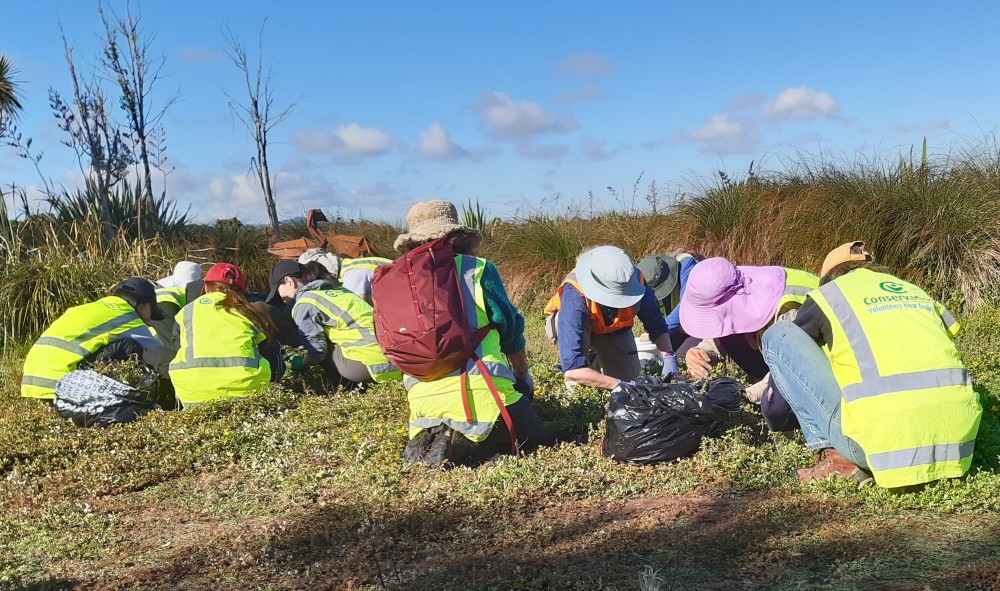
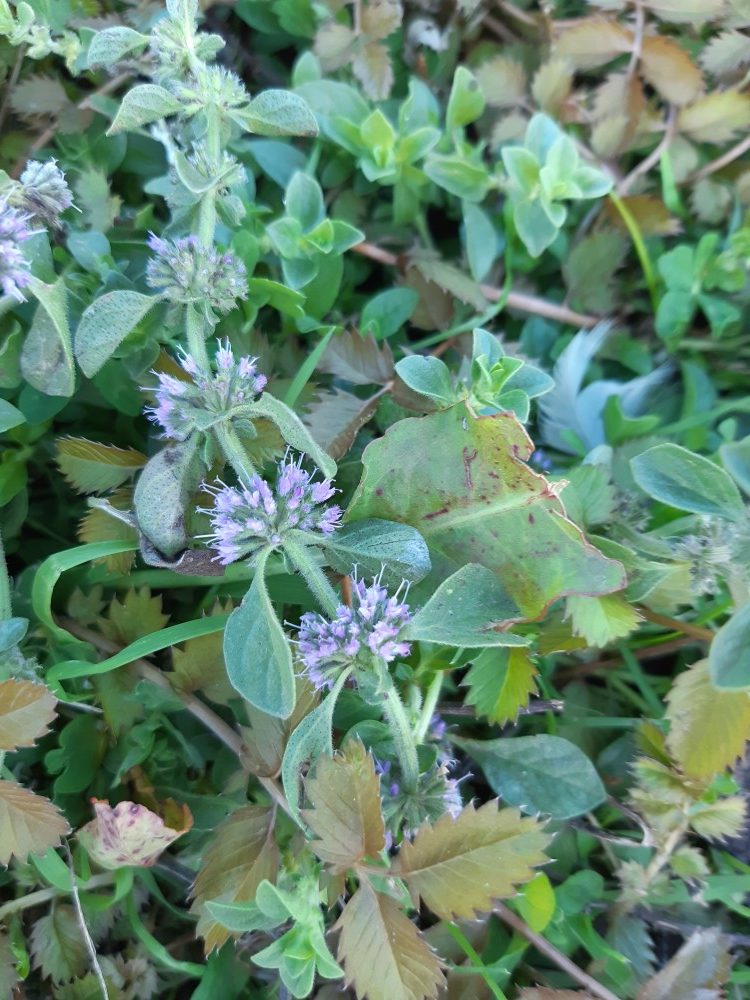
With their additional help we focused on weeds, especially a new Pennyroyal infestation in full bloom (Mentha pulegium, mint family). It has suddenly appeared in one wet part, possibly introduced by birds. We set to and re used large black plastic bags to try to contain the outbreak. With 9 of us attacking, it still took quite a while to eradicate.
In spite of our ongoing efforts, convolvulus still dominates, covers plants which contorts their ability to grow normally. Extra help makes a big difference. Participants were rewarded with the sight of plenty of still green passiflora fruit on the vine, tōtara seeds ripening and seeds flourishing on clematis. Pōkākā seedlings have appeared as well.
Conservation Volunteers joined in with a thank you barbecue lunch along with the hard working IDEAS teams from Bottle Lake and Travis and their supervisors, Cherie & Tess.
Big thank you to all for helping Travis to flourish.
Article and image: Eleanor Bissell
Summer in the Styx
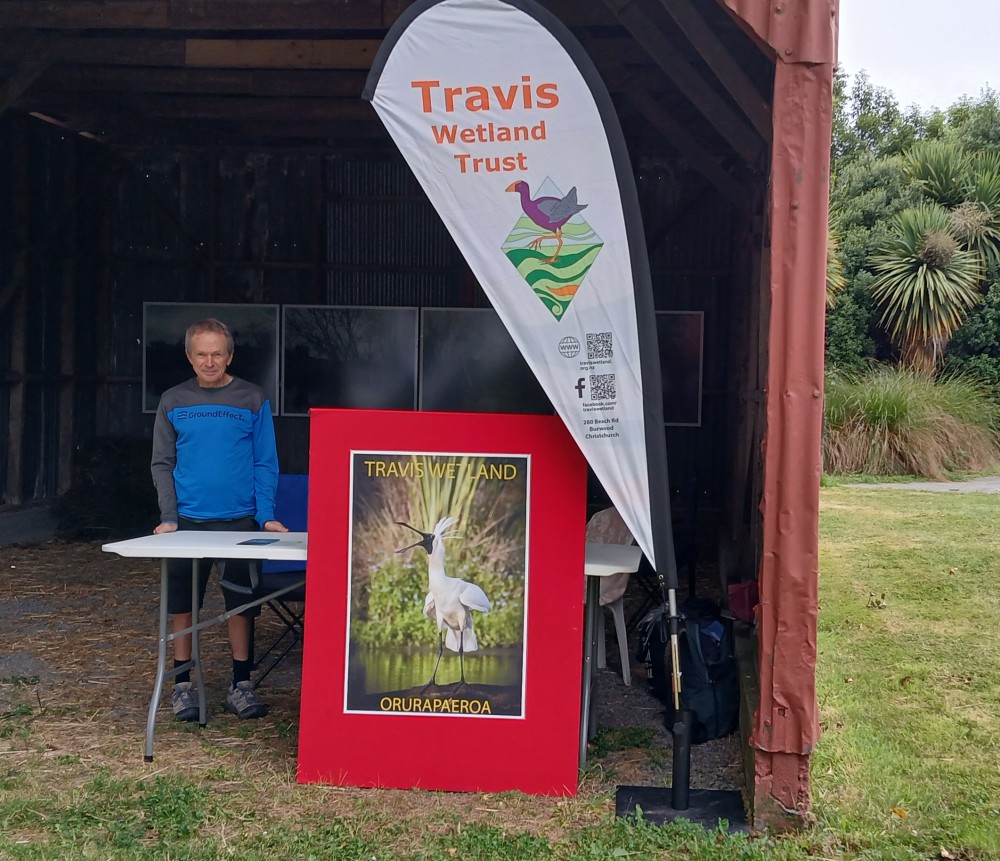
Held in February each year Summer in the Styx is a free event for the community to come and learn more about the amazing conservation mahi happening in Ōtautahi Christchurch and in particular the Pūharakekenui/Styx River Catchment. There was a range of stallholders, stormwater education, kayaking, tree climbing and guided walks.
Sue and Dave from the Travis Wetland Trust took the opportunity to meet some new people and let them know about Ōruapaeroa Travis Wetland, what we do there and how they could participate. To attract their attention we had a magnificent image of a spoonbill captured at Travis by board member John Dunlop and the recently purchased Trust flag.
Article: Dave Evans, image: Sue Britain
It’s the season to report pest plants
A recent news item from the regional council Environment Canterbury (ECan) pointed out that this time of year is when it’s easiest to spot many pest plants we need to be guarding against. From December through to April, many pest plants produce distinctive flowers or seeds making them easier for us to identify. ECan biosecurity officers need your help to report these pests and stop the spread of these highly invasive species.
Of particular relevance to Travis are Giant Willowherb (already mentioned in previous issues of this newsletter) and Purple Loosestrife, which has been seen occasionally at Travis, but which fortunately has been repelled so far.
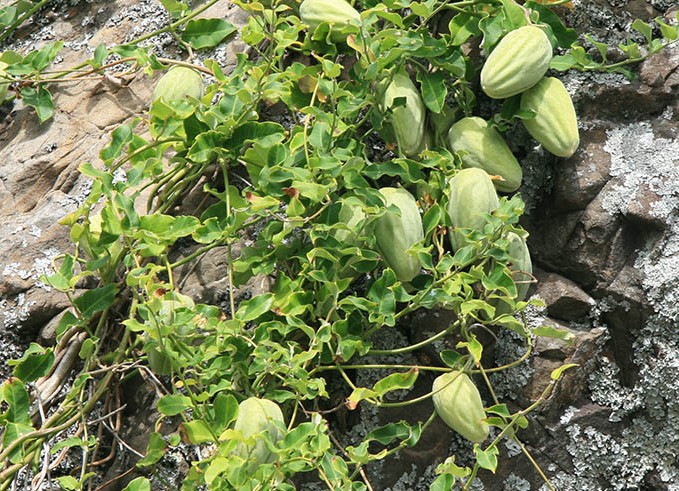
At the top of their list was Moth Plant, which I have heard of from the North Island. Moth plant was found recently in a back garden in Belfast. While it does have pretty pink and white flowers, moth plant can rapidly grow into dense infestations smothering other plants. Its nickname is cruel plant as it clogs up the fragile mouth parts of butterflies, leading to starvation.
Now is the time to check your back garden, the pods are easy to identify:
- Its seed pods are very distinctive, pear-shaped, thick and leathery containing many black thistle-down seeds.
- Its bell-shaped flowers are white with occasional pale pink streaks.
- Its leaves are dark green, hairless and dull with a grey downy underside.
Do not confuse moth plant with the edible vegetable – choko. The pods may look similar, but moth plant is not edible, the sap is poisonous and can cause skin irritation.
Read more about the pest plants to watch out for here and find out how to report a sighting here.
City Nature Challenge – 25-28 April
The annual City Nature Challenge is towards the end of next month. The challenge is to photograph and record as much of our city’s biodiversity as possible!
We encourage you all to get out and about, photograph and upload anything interesting you see during the four days of the challenge and see if we can beat last year’s record of 20,310 observations! It’s a great way to record what’s living in your park.
More information on how to get involved is here.
Image from Eleanor