
All previous newsletters can be found here.
Work Day Reminder, November 15 2025
The next monthly work day will be from 9.00am – noon this coming Saturday.
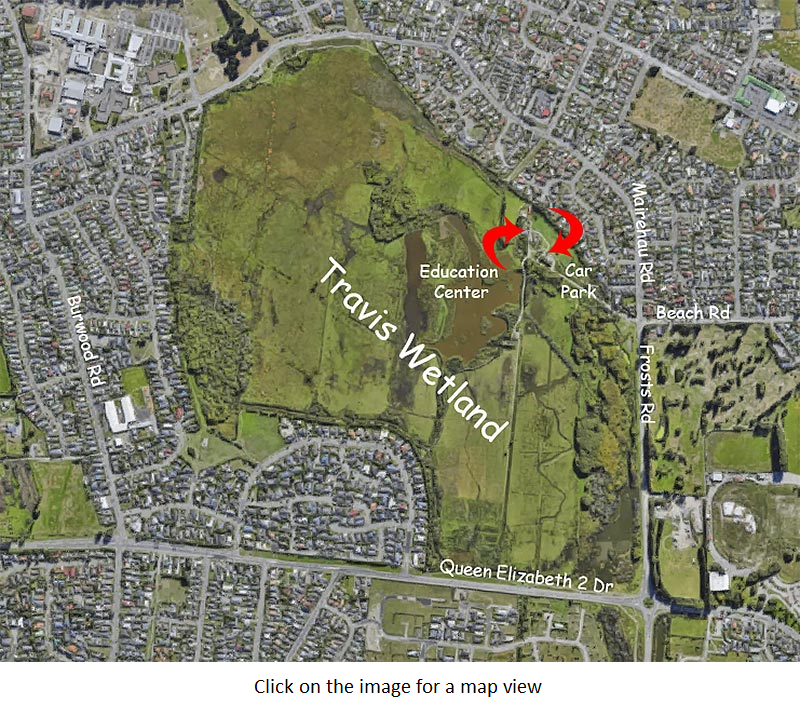
This month we’ll most likely be pulling Convolvulus and other weeds along the northern side of the Beach Rd driveway. If you arrive late there will be a notice on the Education Centre door explaining where we have gone and a phone number for you to call if you need more guidance to our location.
All tools provided. Gumboots are recommended, but not essential this month. If you don’t have any we have pairs for loan at the Education Centre. Please bring your own gloves if you can, but we have some of them for loan too.
If the weather on the work day is poor and we decide to cancel then an email will be sent by 8am on Saturday morning. So if you think the conditions are marginal, please check your emails.
If you’re reading this on the website and are not on the email list then you can add yourself to it through the form at the foot of the home page. If you change your mind there’s an unsubscribe link in each newsletter.
Volunteers welcome
Would you like to volunteer to help with caring for the wetland? We would be interested to hear from you. You may have a community group, workplace or extended family that would like to be involved too. Please contact us via info@traviswetland.org.nz
Report on the TFC Planting Day, 18 October
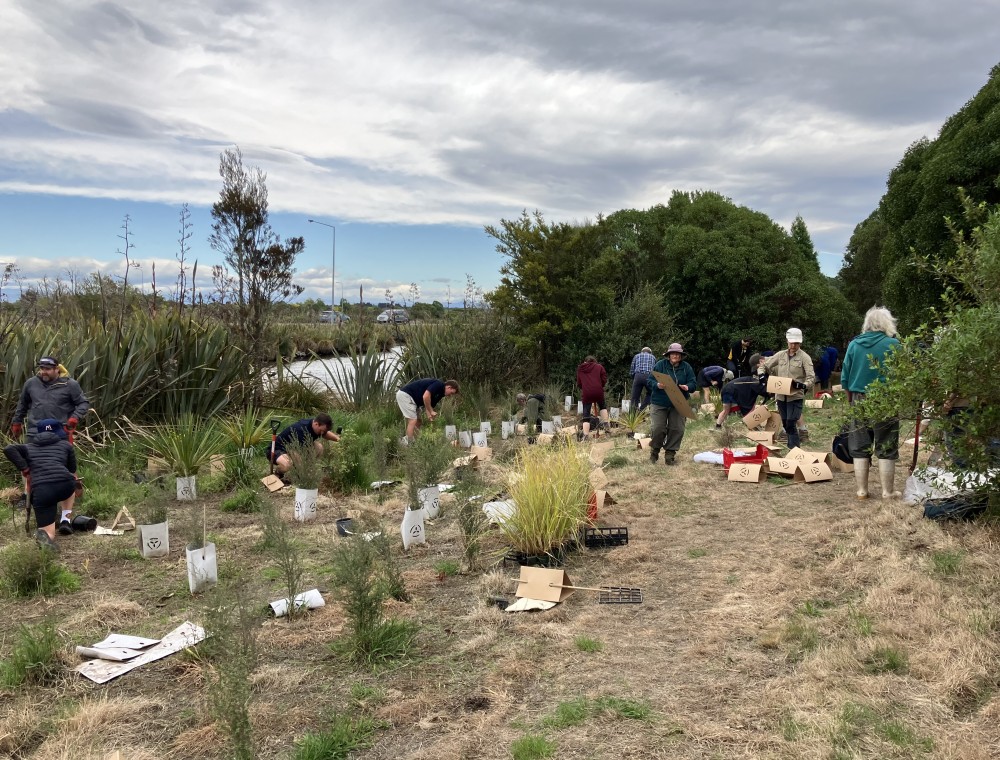
This was our big planting day for the year, in combination with Trees for Canterbury (TFC) and Christchurch City Council (CCC). Following on from last October’s event we were again re-vegetating red zone land on the eastern shore of Lake Kate Sheppard. We had 1065 plants from CCC nursery and 675 plants from TFC, with plants having taken up to 3 years to mature in their pots.
Luckily the weather was favourable for our mammoth task, being fine, a bit windy but with cloud cover to reduce over-heating of the plants. A steady stream of planters arrived, including families, university students and Lions Club members. Organisers were bustling to place plants in suitable spots, along with weed mats and guards, to keep up with planters’ demand. Soil types varied from dry and friable to heavier clay or stony and one enthusiastic planter managed to break his own spade !
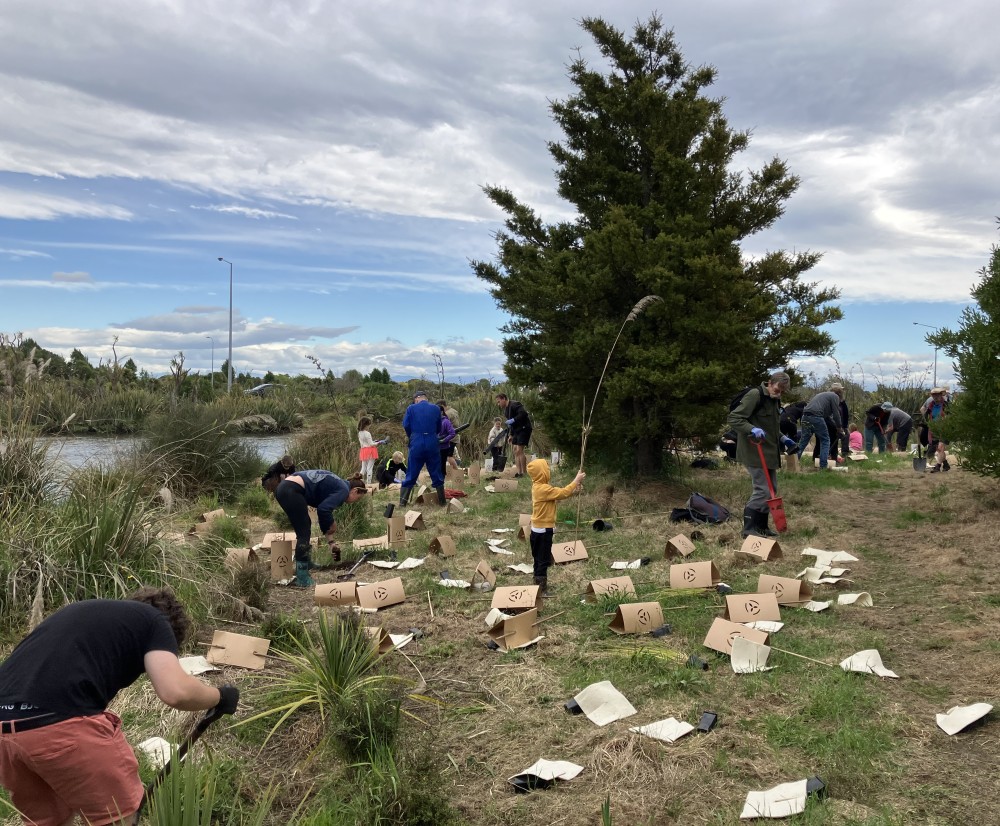
We estimate that about 75 people came along and worked hard to plant around 1100 plants. This was a sterling effort and, along with last year’s plants, will transform the lake shore in years to come. Energetic children running around with giant towers of empty pots were a great measure of the day’s success.
A hardworking team from TWT produced a delicious barbeque for the hungry hordes to complete the day. Many thanks to all who attended.
Article: Sue Britain, images: Mike Bourke
Soldier Flies (Stratiomyidae) of New Zealand — Small Actors in Big Ecological Roles
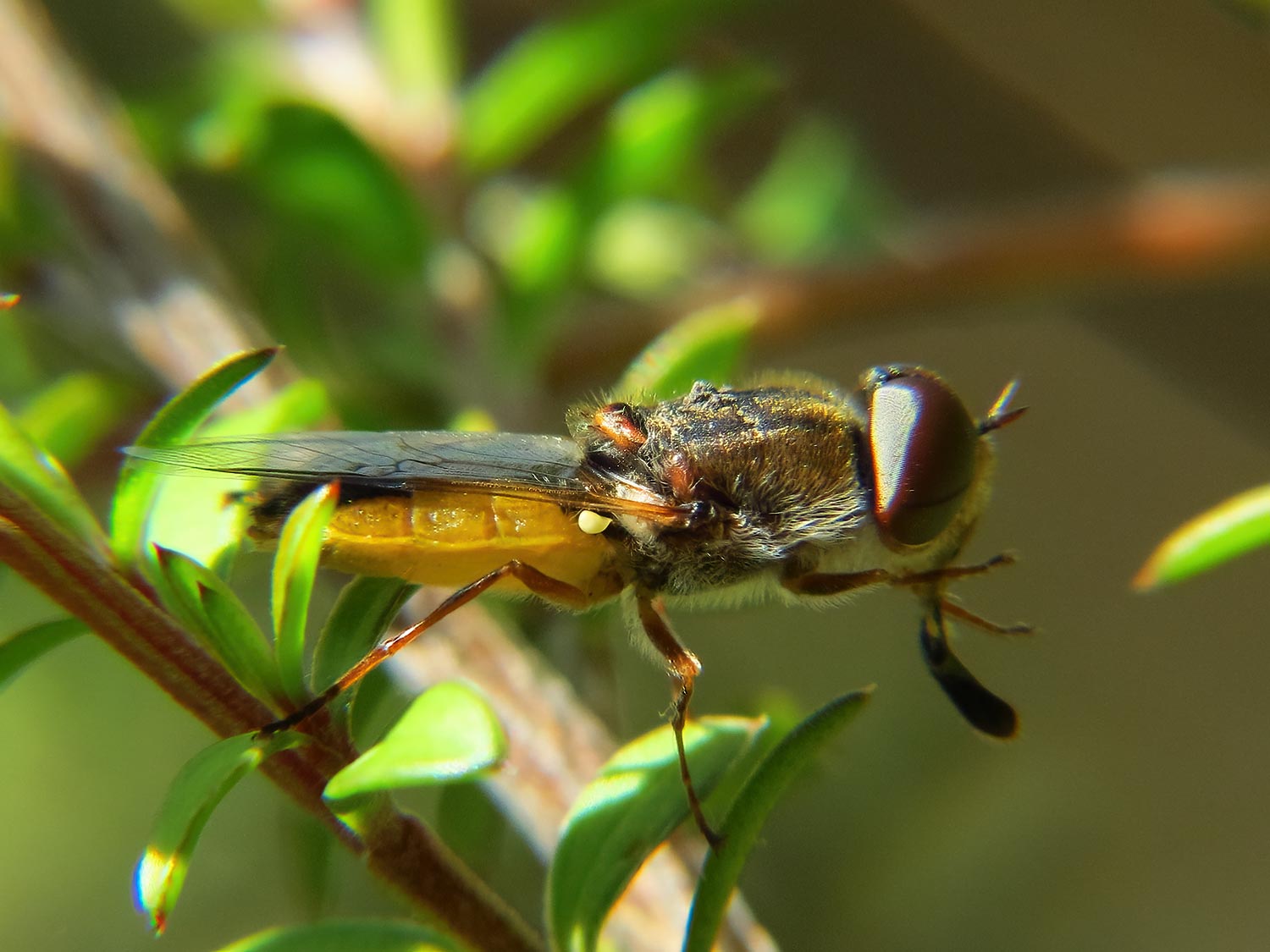
The family Stratiomyidae, commonly known as soldier flies, is a diverse and understated group in New Zealand’s insect fauna. Globally, over 2,700 species are described, with around 30 recorded from New Zealand. These include both native and introduced taxa across several genera, such as Beris, Odontomyia, Ptecticus, Hermetia, and Stratiomys. Despite their modest size, soldier flies play important roles in terrestrial and semi-aquatic ecosystems.
Adult soldier flies are generally medium-sized and often metallic green, blue, or bronze. Their compact, somewhat wasp-like bodies inspired their common name. They are typically found on vegetation near water, forest edges, or gardens, feeding on nectar or pollen. In doing so, they act as incidental pollinators for both native and introduced plants.
The larval stage is the most ecologically significant. Soldier fly larvae are saprophagous (detritivores), living in damp, decaying vegetation, wet moss, rotting wood, or humus-rich soil. By breaking down complex organic matter, they return nutrients to the substrate, supporting soil health and nutrient cycling in both native and modified ecosystems.
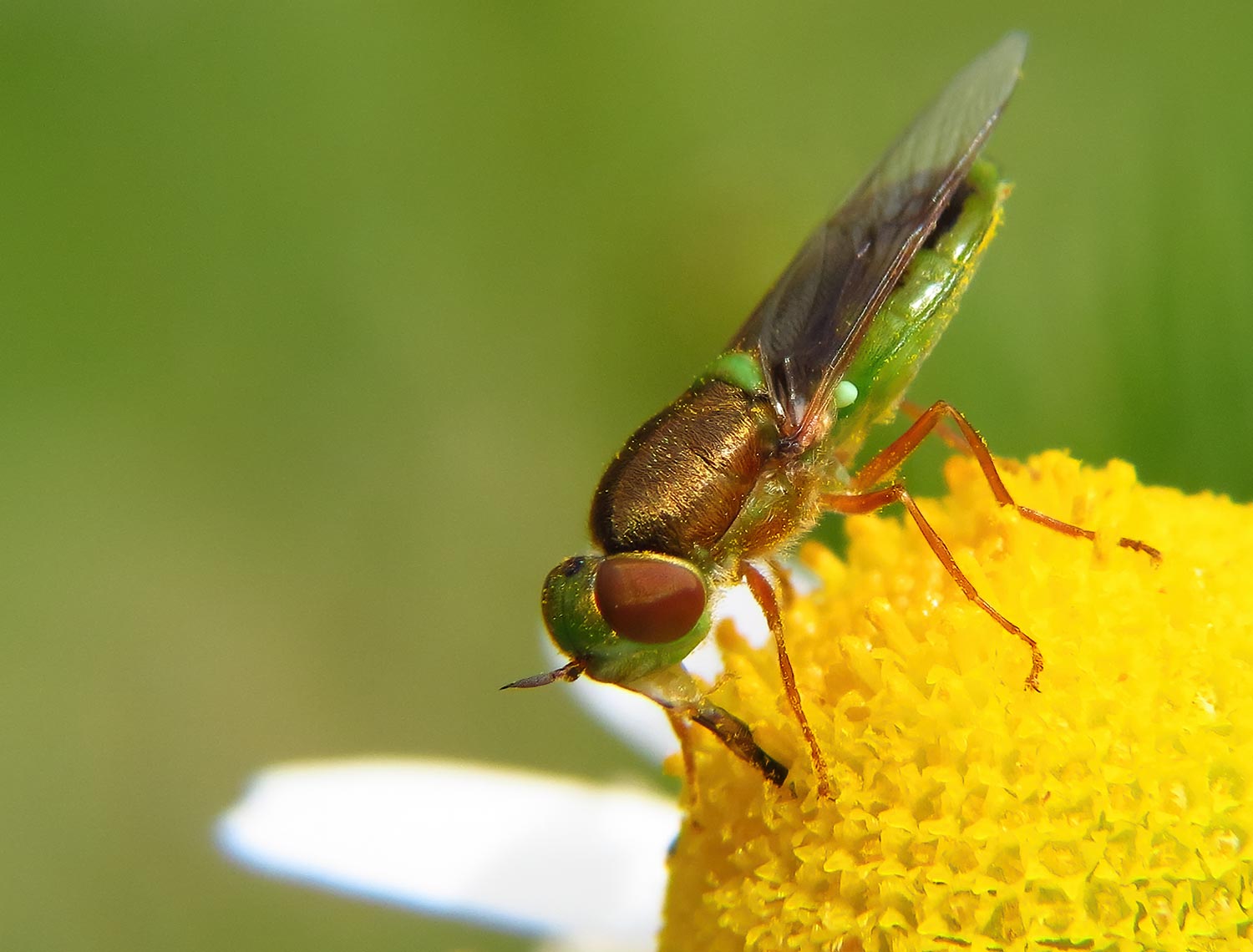
Although often overlooked, soldier flies embody the quiet complexity of New Zealand’s invertebrate world. By bridging pollination and decomposition, they help maintain the subtle balance that supports larger, more familiar species. In the intricate web of New Zealand biodiversity, soldier flies are small but indispensable.
At Travis, several species are present, ranging in colour from bright yellow to green, bronze, and black. One of the more obvious is just emerging now: a bright green abdomen with a bronze thorax. You might spot it on Cabbage Tree (Cordyline australis) or Manuka/Kanuka (Leptospermum / Kunzea) flowers currently in bloom. It is most likely a native species, a flash of green among the buttercups can be a useful clue.
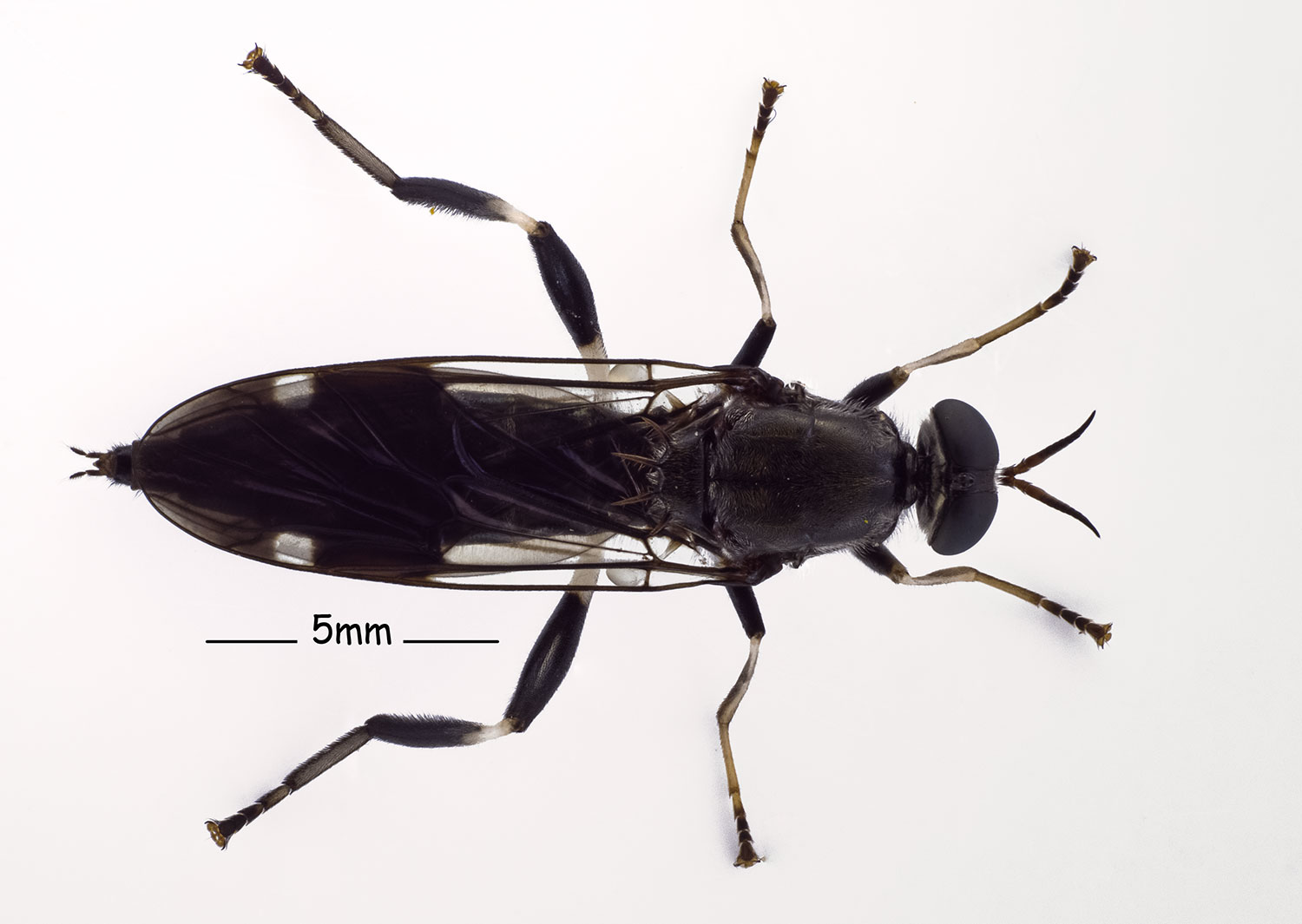
Another common species is the garden soldier fly, Exaireta spinigera, an Australian import. Many people recognise it by sight if not by name—it is a frequent visitor inside homes and can be seen in a variety of habitats around Travis.
So next time you wander through a New Zealand garden, forest edge, or a damp backyard patch, keep an eye out for these metallic little marvels. Soldier flies may not perform death-defying stunts or hum catchy tunes like bees, but they quietly keep the wheels of nature turning—pollinating flowers, decomposing leaves, and minding their own business. In the grand theatre of New Zealand wildlife, they’re the unsung stagehands: not always in the spotlight, but essential for the show to go on.
Article and images: Grahame
Pāpango / NZ Scaup
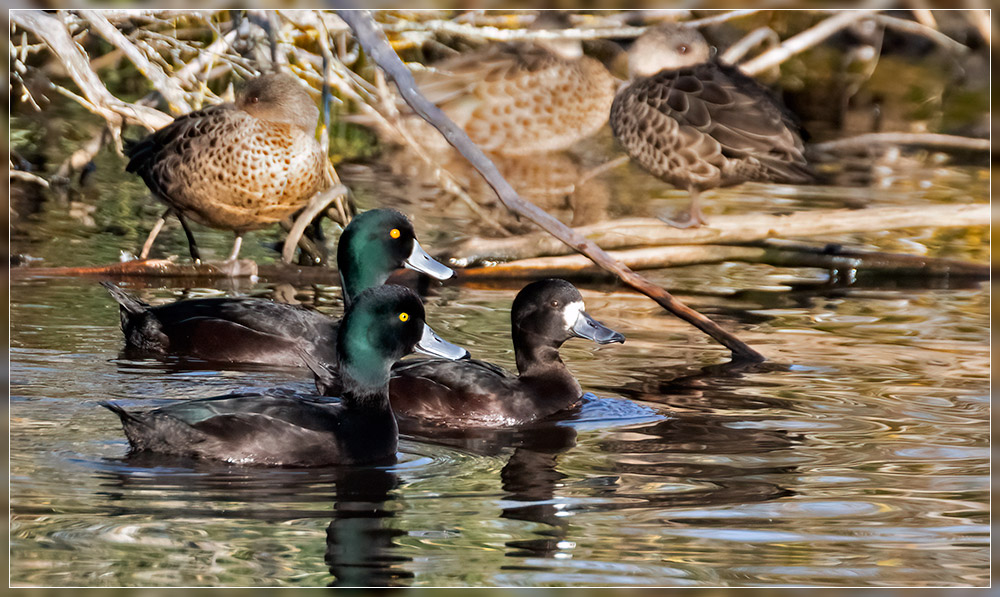
I reckon the cutest of the ducks found in Aotearoa is the endemic NZ Scaup or Pāpango. It has the classic rubber ducky shape and stylish dark plumage. They are diving ducks and the way they dive is quite striking – there one second and gone the next. They feed on snails, larvae and probably plant material, all taken underwater.
Ōtautahi Christchurch is a stronghold for them. Predator control at the Bromley oxidation ponds allowed a local increase in their population and they have spread from there all over the water bodies of the city, including Ōruapaeroa. They are frequently seen in the main pond and often roost on the dead tree out in the middle.
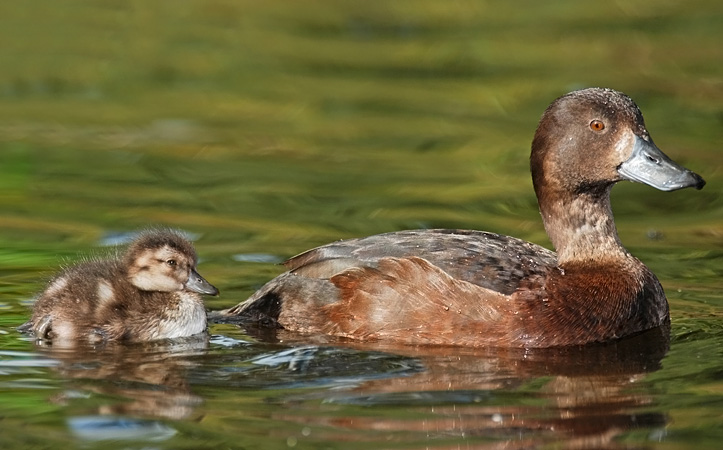
The male has dark black-brown plumage with iridescent blue-green head and wings, the female is a duller chocolate brown. The male iris is yellow and the female iris is brown. The males have a high pitched whistle call weeee weo-weo weo-weo weo-weoooo and the female call is a low quiet wack wack.
They are classed as Not Threatened and can often be seen around Canterbury in large flocks.
Thanks to NZ Birds Online for the information on the Pāpango.
Article: Dave Evans, images: Grahame
Recent images from Ōruapaeroa Travis Wetland
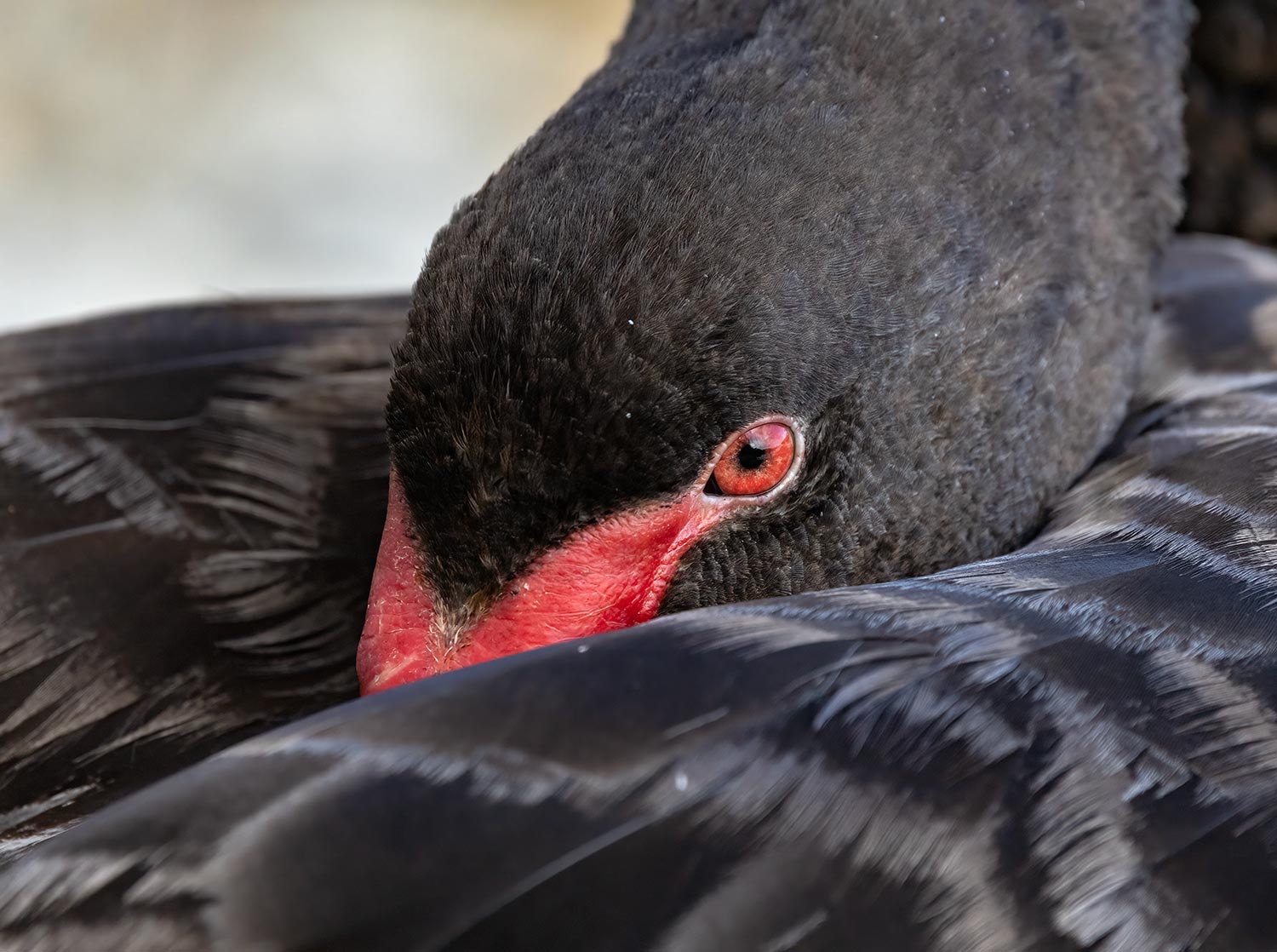
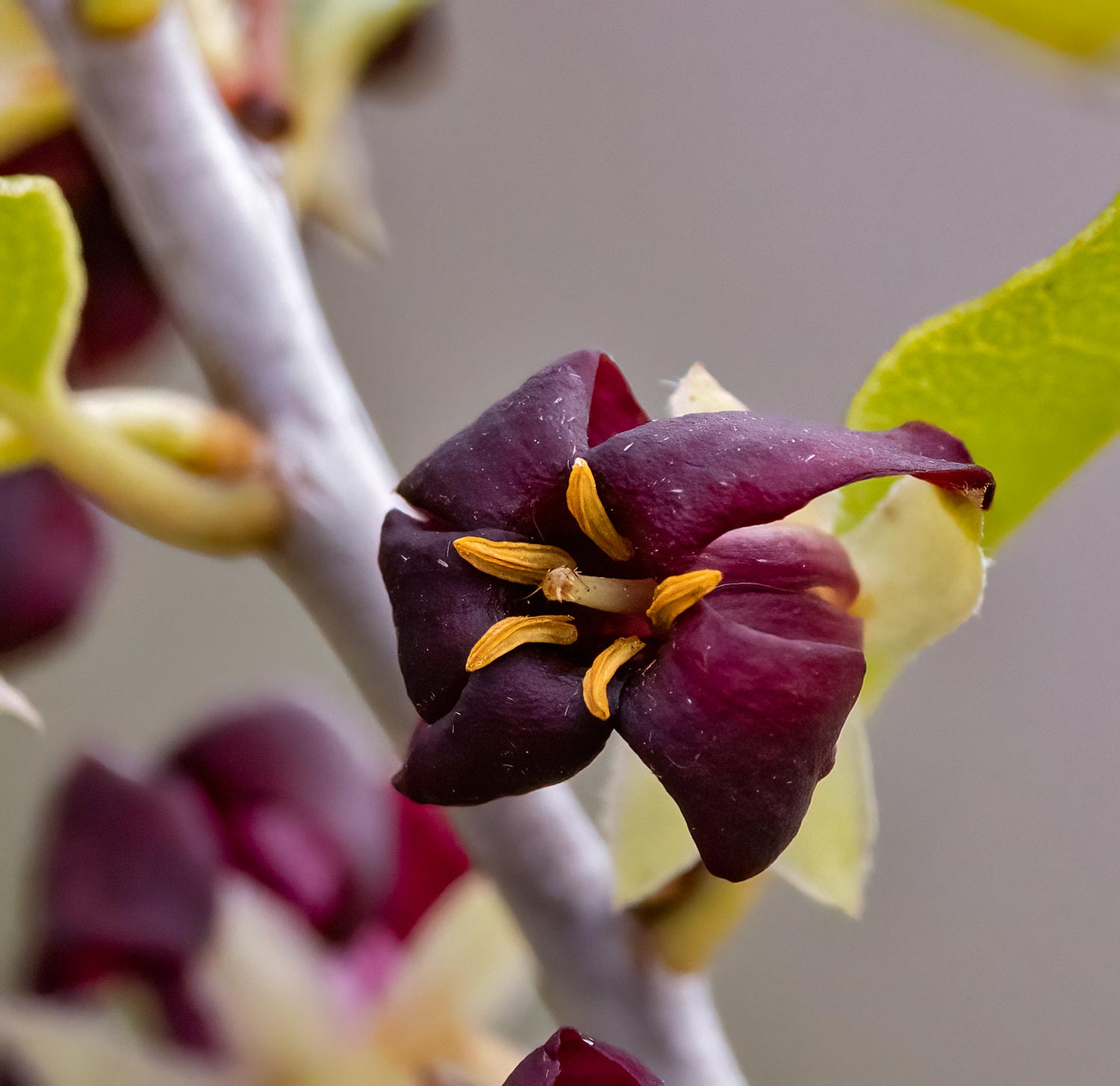
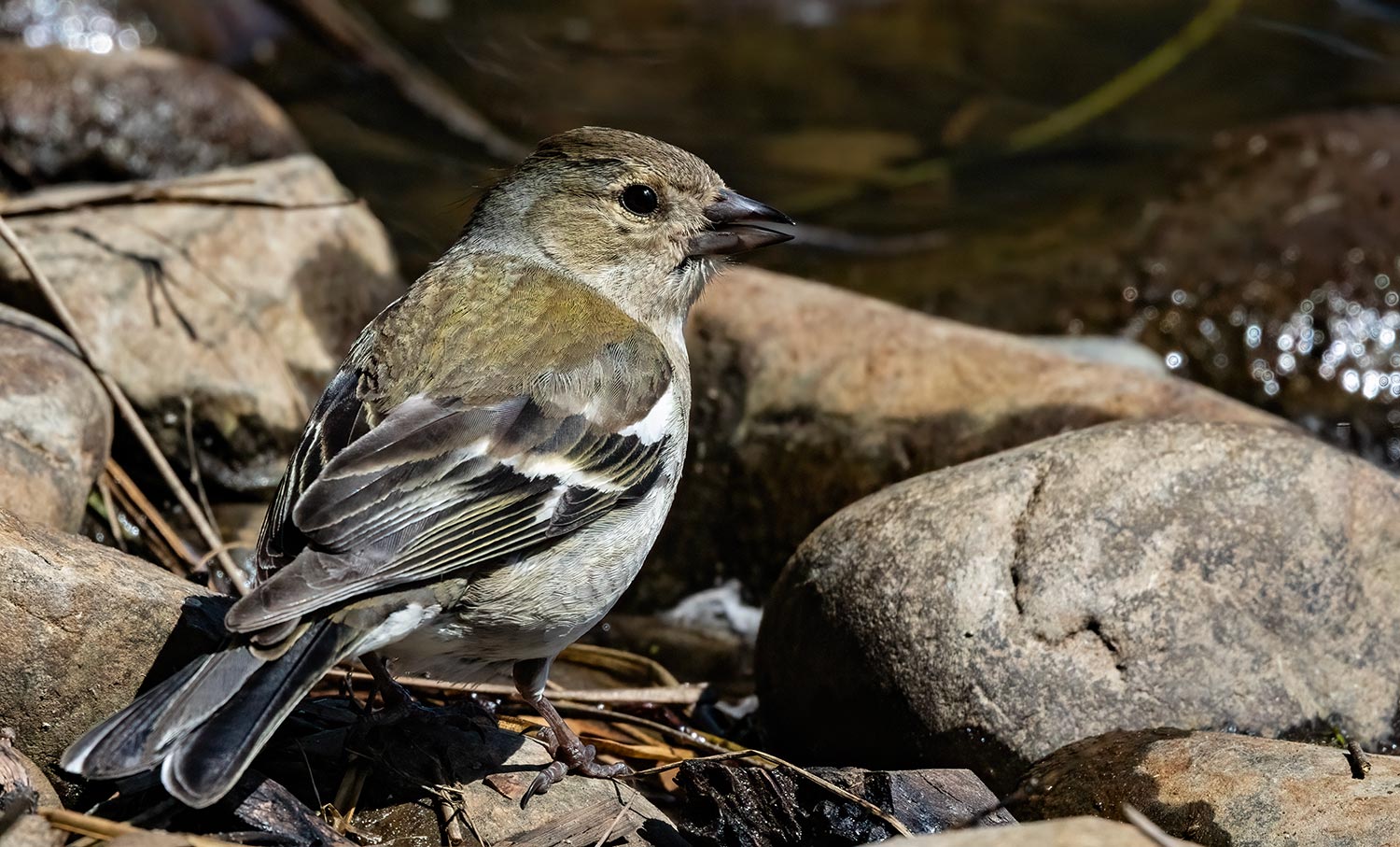
All images by Grahame