

All previous newsletters can be found here.
Work Day Reminder, September 20 2025
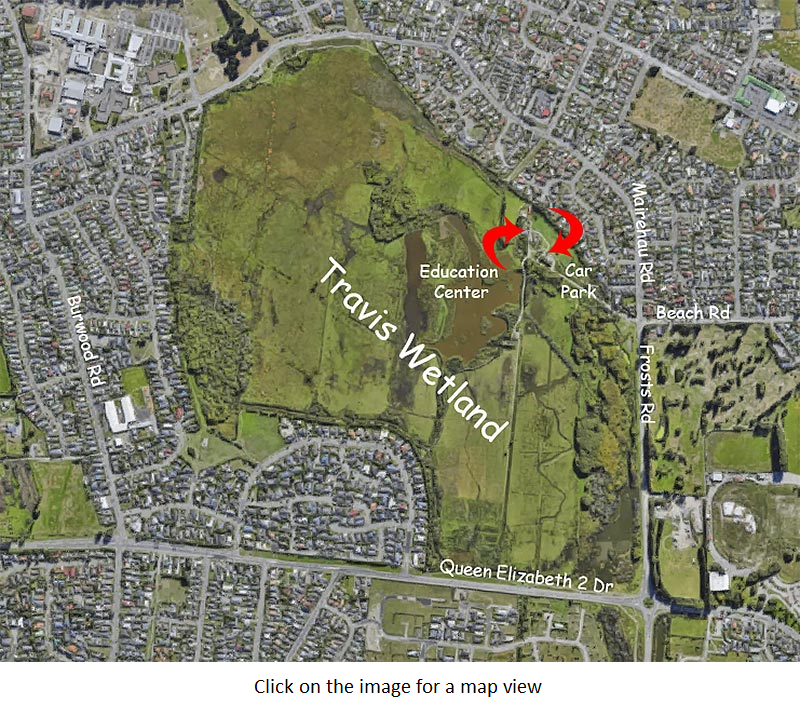
The next monthly work day will be from 9.00am – noon this coming Saturday.
This month we’ll be attacking ivy, honeysuckle and blackberry along the Mairehau Rd path. It’s probably best wear a long-sleeved shirt. If you arrive late there will be a notice on the Education Centre door explaining where we have gone and a phone number for you to call if you need more guidance to our location.
All tools provided. Gumboots are recommended, but not essential this month. If you don’t have any we have pairs for loan at the Education Centre. Please bring your own gloves if you can, but we have some of them for loan too.
If the weather on the work day is poor and we decide to cancel then an email will be sent by 8am on Saturday morning. So if you think the conditions are marginal, please check your emails.
If you’re reading this on the website and are not on the email list then you can add yourself to it through the form at the foot of the home page. If you change your mind there’s an unsubscribe link in each newsletter.
Volunteers welcome
Would you like to volunteer to help with caring for the wetland? We would be interested to hear from you. You may have a community group, workplace or extended family that would like to be involved too. Please contact us via info@traviswetland.org.nz
Latest News
Report on the Previous Work Day, 16 August
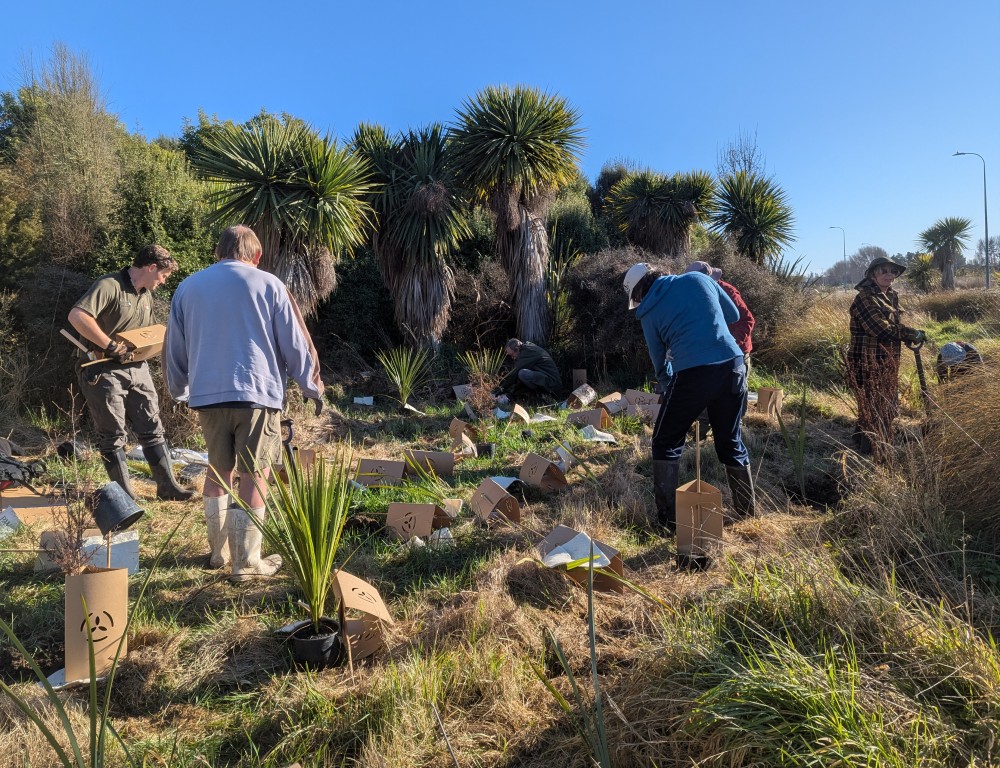
This month took us to the Brooker Avenue/Anzac Drive area for some infill planting. This area was first planted in the post quake period around 10 years ago. Some of our 16 volunteers had been involved in this and were impressed to see the healthy growth of flax and native trees.
Rangers Matt and Mika took us through a maze of muddy trails to our major planting site beside some ponds. This spot had a range of soil types ranging from mud and liquefaction through to drier and stony. Sedges and flax were perfect for the wetter spots and a variety of small shrubs and trees were planted on higher ground. Wind grass (Anemanthele lessoniana) was planted in clearings in existing young bush, helping us achieve a total of about 220 plants.
Great work everyone.Article: Sue Britain, image: Dave Evans
A Rare Guest: The Kōtuku
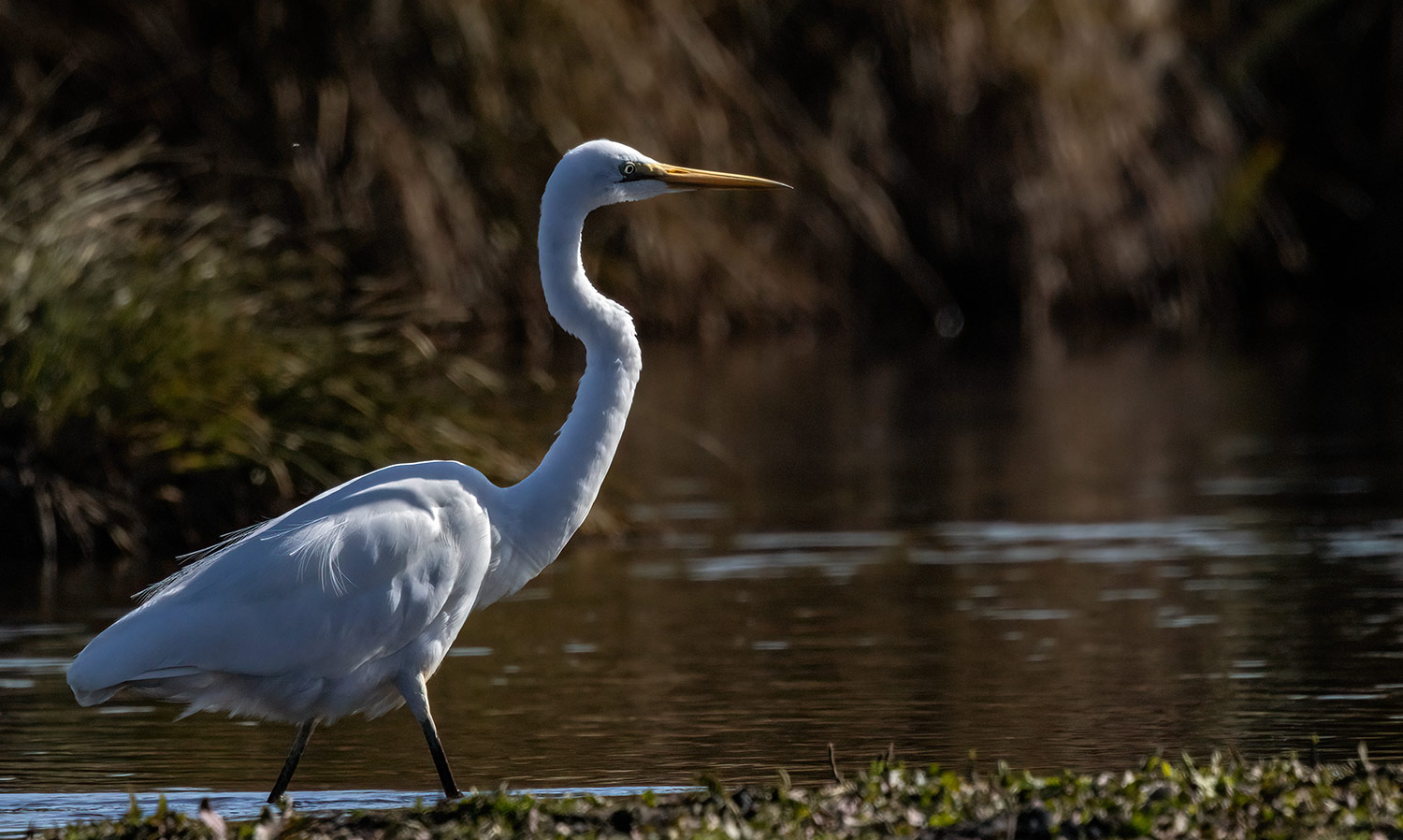
The elegant Kōtuku, or White heron (Ardea alba), has always held a special place in New Zealand’s culture. The Māori name, Kōtuku, is synonymous with rarity and beauty, as expressed in the proverb, “He kōtuku rerenga tahi” (A white heron of a single flight), was used to honour distinguished guests, signifying a rare and momentous occasion.
This stunning heron, with its pure white plumage, yellow bill, S shaped neck and long legs, is found globally but has a unique and highly localized breeding pattern in New Zealand. Unlike many other species, the entire New Zealand breeding population nests in just one location: the Waitangiroto Nature Reserve on the West Coast of the South Island. This makes its New Zealand conservation status particularly vulnerable, and is currently classified as “Nationally Critical.”
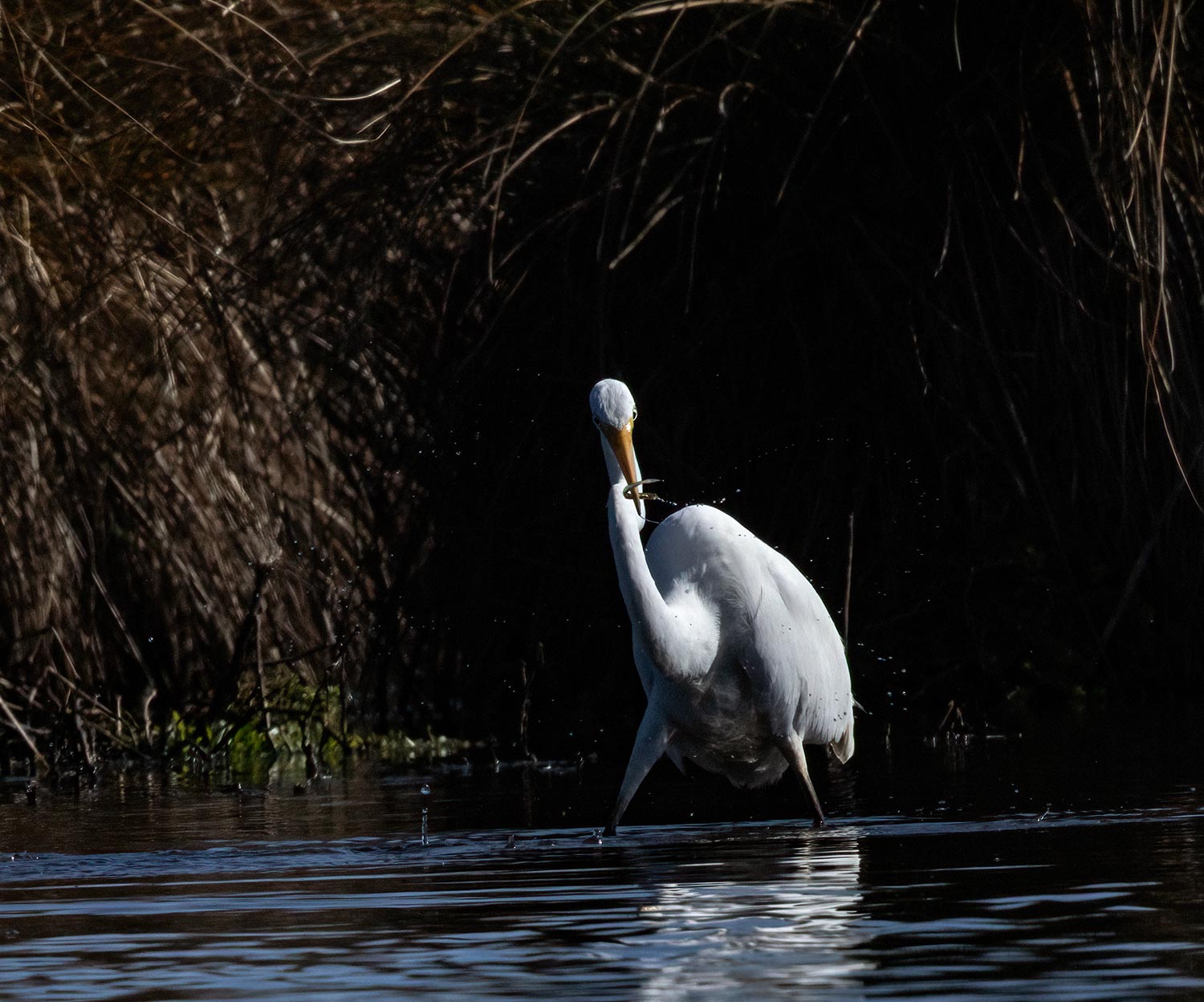
After the breeding season, which starts with springs arrival in September, the Kōtuku disperses throughout New Zealand in search of food. They can be found in various wetland habitats, including estuaries, rivers, and coastal lagoons. In times gone by they were a reasonably frequent visitor to Travis along with Cattle egrets. But times change and now its a pleasant surprise to see a visit from one of these elegant birds. Today they are more likely to be seen in the Ferrymead wetland / Linwood drain area during winter. The images with this article are from September 11 2025 when we received a welcome visitor to Travis.
Their diet primarily consists of fish,eels,aquatic insects etc, which they expertly catch with a swift jab of their sharp bill. They are also known to eat mice and small birds. Our recent visitor was having fun chasing galaxids around the shallows. This specialized feeding behaviour and singular breeding site highlight the importance of protecting New Zealand’s precious wetland environments to ensure the survival of this magnificent bird and its other wetland friends.
Article and images: Grahame
Protecting Our Eels
The Travis Wetland Trust has been hearing from concerned visitors to the wetland about how the tuna (eels) are being treated in the area by the lake where people often feed them. Sadly, there have been reports of people fishing for the tuna and even treating them cruelly. For many, this has been upsetting to witness. These fish are taonga — treasured beings — and to see them harmed by a few individuals is disheartening. While it isn’t illegal to fish for eels in general (within set limits), fishing is not allowed within the wetland. The area is protected as a natural park for conservation and for everyone’s enjoyment.
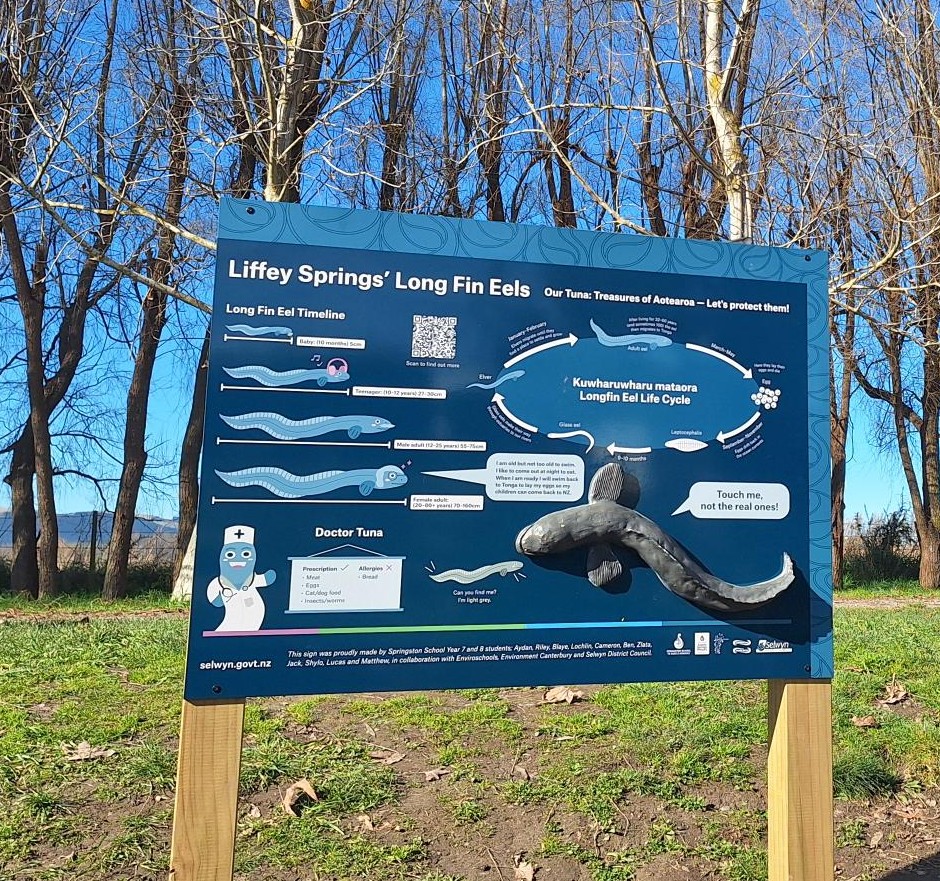
This situation isn’t unique to Travis, similar incidents have happened at Liffey Springs in Lincoln. The spot is popular for feeding the eels, but there were regular reports to the local council of fishing and injury. One particularly distressing incident involved several eels being struck with a heavy spanner and left dead or dying. The cruelty shocked the local school children. Rather than standing by, they decided they wanted to take action and change the way people thought about these special creatures.
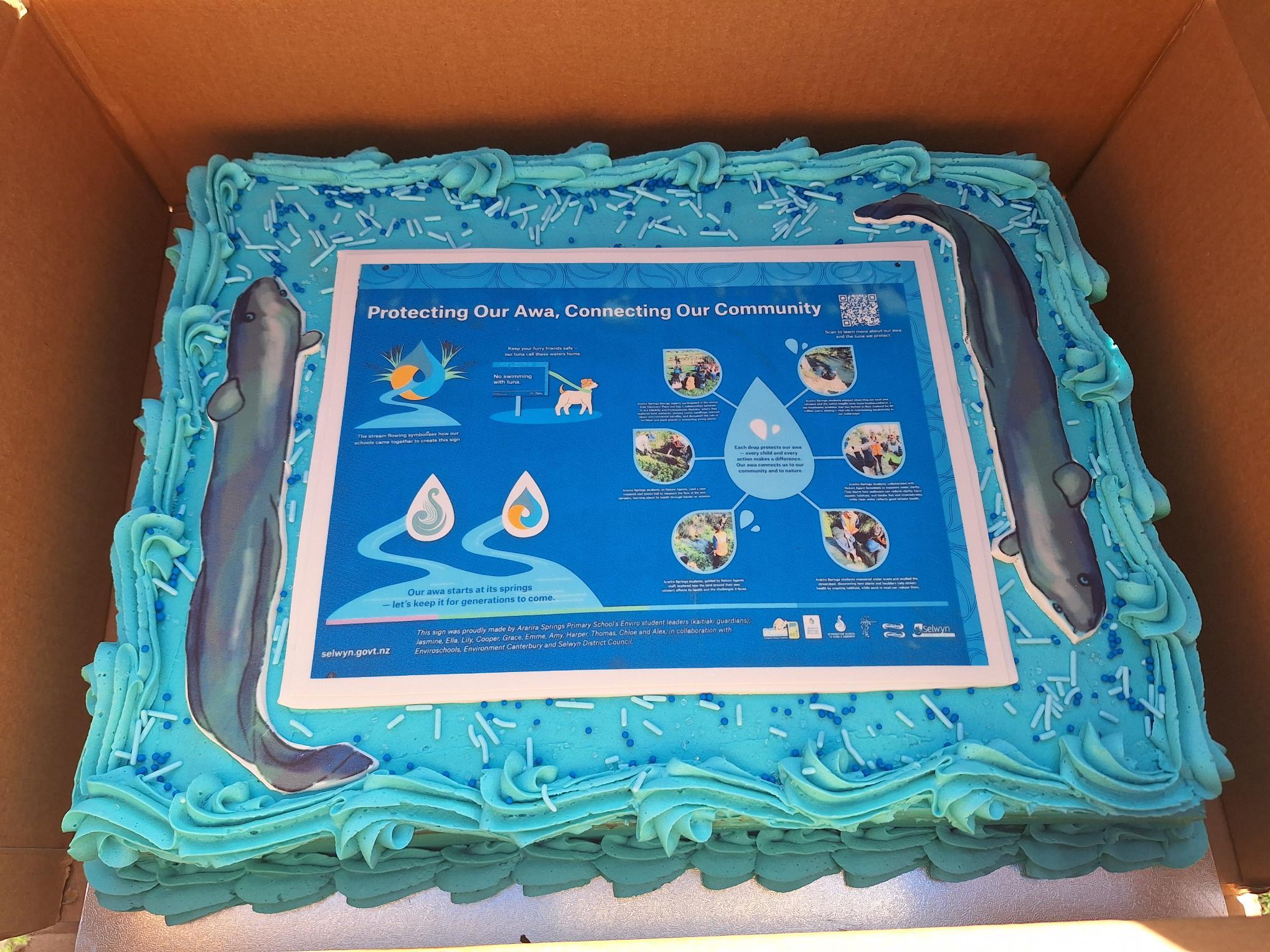
With support from Enviroschools and the council, two local primary schools researched, designed, and created an educational sign for the feeding area. The display they produced has two sides: one created by Springston students, sharing information about the eels’ life cycle, growth, and diet, and the other by Ararira students, telling the story of the river. On the day the sign was unveiled, one of the students spoke about where the idea had come from:
“We wanted to protect the eels and thought the best way was to teach people about them. Now it’s cool to see the sign in real life.”
The exercise was a fantastic opportunity for the students to learn about the eels and their awa. It is hoped that having the sign which is fun and informative will reduce the instances of harm to the animals.
The Travis Wetland Trust will look to see if we can collaborate with local Enviroschools to create a sign for the eel feeding area at the wetland.
Article and images: Denise Ford
KCC Kids Learn about Recycling and Reusing at Travis
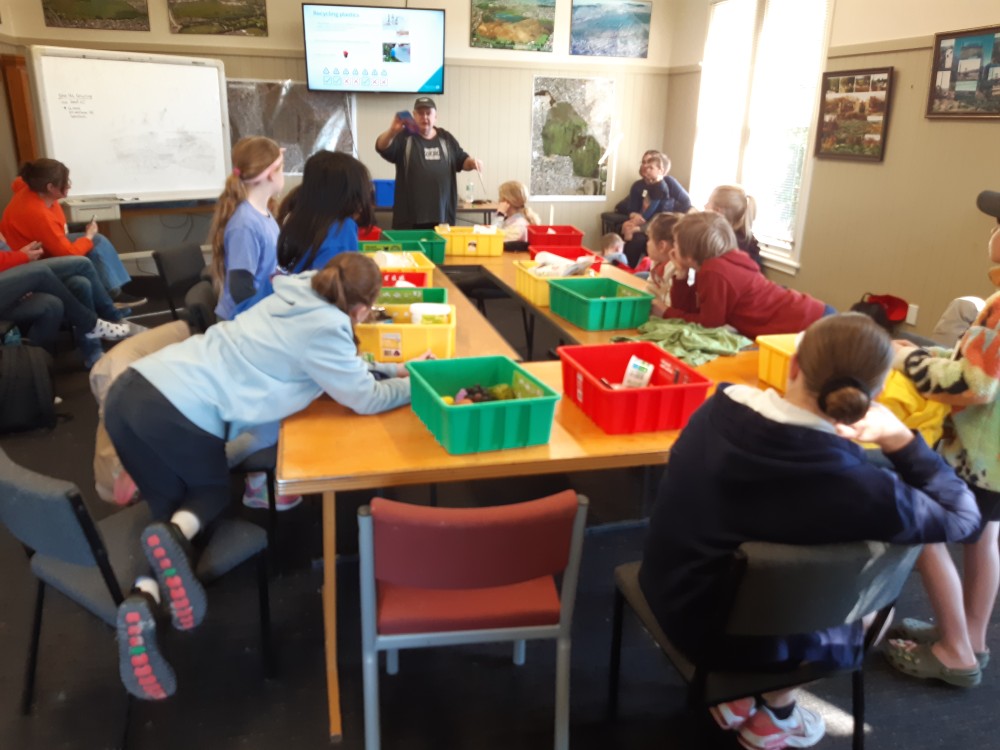
Outdoor Education Teacher Chris kept all the Kiwi Conservation Club participants, including parents, totally focused as he put forward challenges about what is really Red Bin rubbish and what can be recycled & reused or composted. [The three R’s! reuse, recycle, reduce!]
All had a great learning experience sorting from red, yellow and green ‘tray table bins’ to correct ones. All had to find the right bin for various items. Big thank you to Chris for giving his time so we could all improve on our habits.
The City Council website also, is very informative too, giving comprehensive coverage to items. Batteries are a problem when put into bins. The Council has three fire trucks which have to deal with fires caused by batteries being disposed of incorrectly. There are drop off sites listed on the website, important to read when disposal is needed.
The kids really enjoyed a Sack Race using recycled coffee sacks. And also a game of “Throw the re used tennis ball from one cut down plastic milk container to a partner who also had a cut down milk container”, was fun too.
Article and image: Eleanor Bissell
Native birds flocking to the red zone
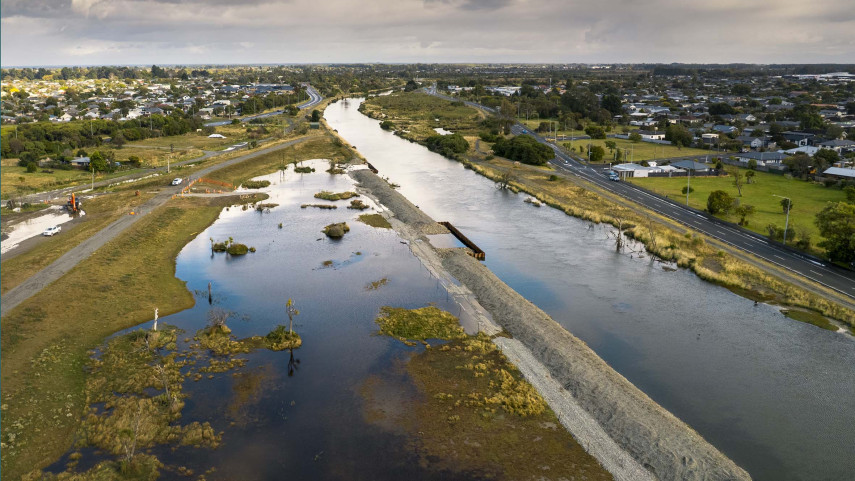
In case you missed it this article on the CCC Newsline describes how native birds are beginning to populate a constructed tidal wetland between the Ōtākaro Avon River and Anzac Drive. It is situated just upstream of the Pages Rd Bridge so it’s just down the river from Ōruapaeroa. This wetland was connected to the river earlier this year, as described here. Black-billed and red-billed gulls are showing interest in the stony islands, which is welcome news as they are being “moved on” from their Armagh St encampment.
Bird of the Year

It’s that time of year again. There are about 70 birds to choose from and because it’s almost impossible to choose just one from that many you can vote for up to five. No ranking this year.
One of my choices is sure to be the Australasian bittern, or Matuku hūrepo. This secretive and cryptic bird is seldom seen and “in serious trouble”. There may be less than 1000 birds in the country, but no one really knows how few there are. It has sometimes bred at Ōruapaeroa Travis Wetland and you can read about it in a May 2020 newsletter article. This was a time when one was seen several times from the Travis circuit track.Bird of the Year 2025
- Voting opens: 9am Monday 15 September
- Voting closes: 5pm Sunday 28 September
- Winner announced Monday 29 September
Recent images from Ōruapaeroa Travis Wetland
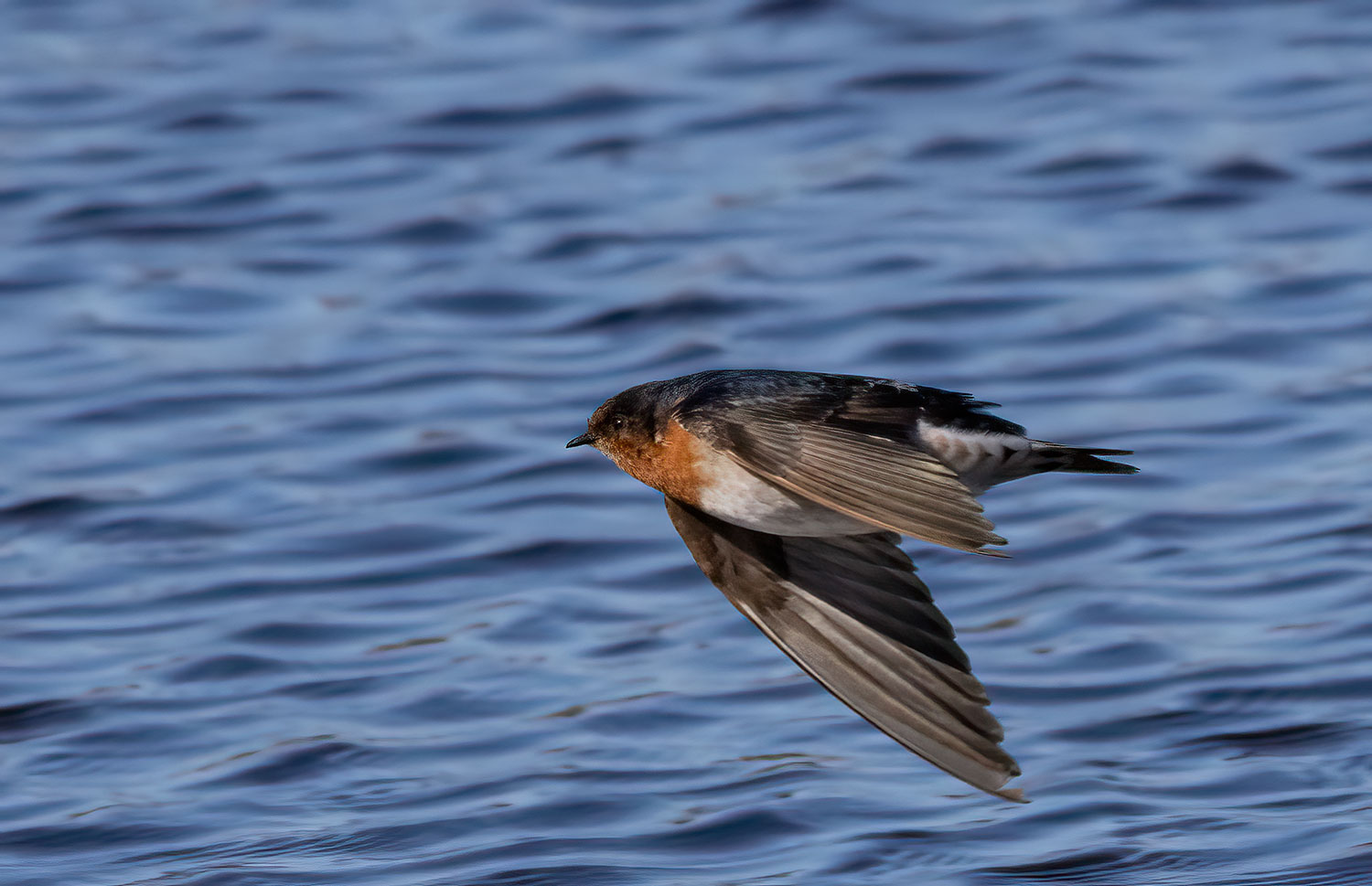
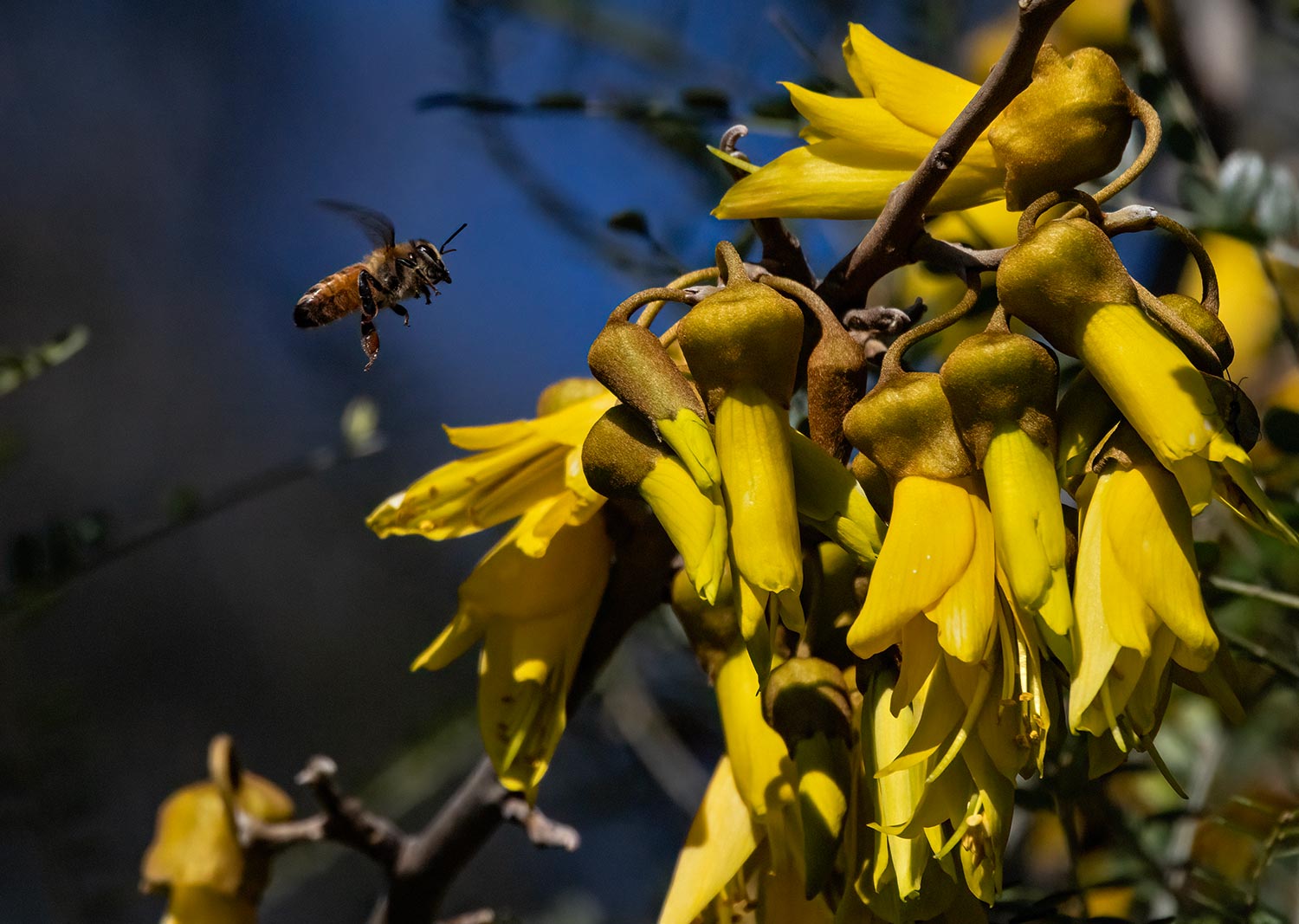
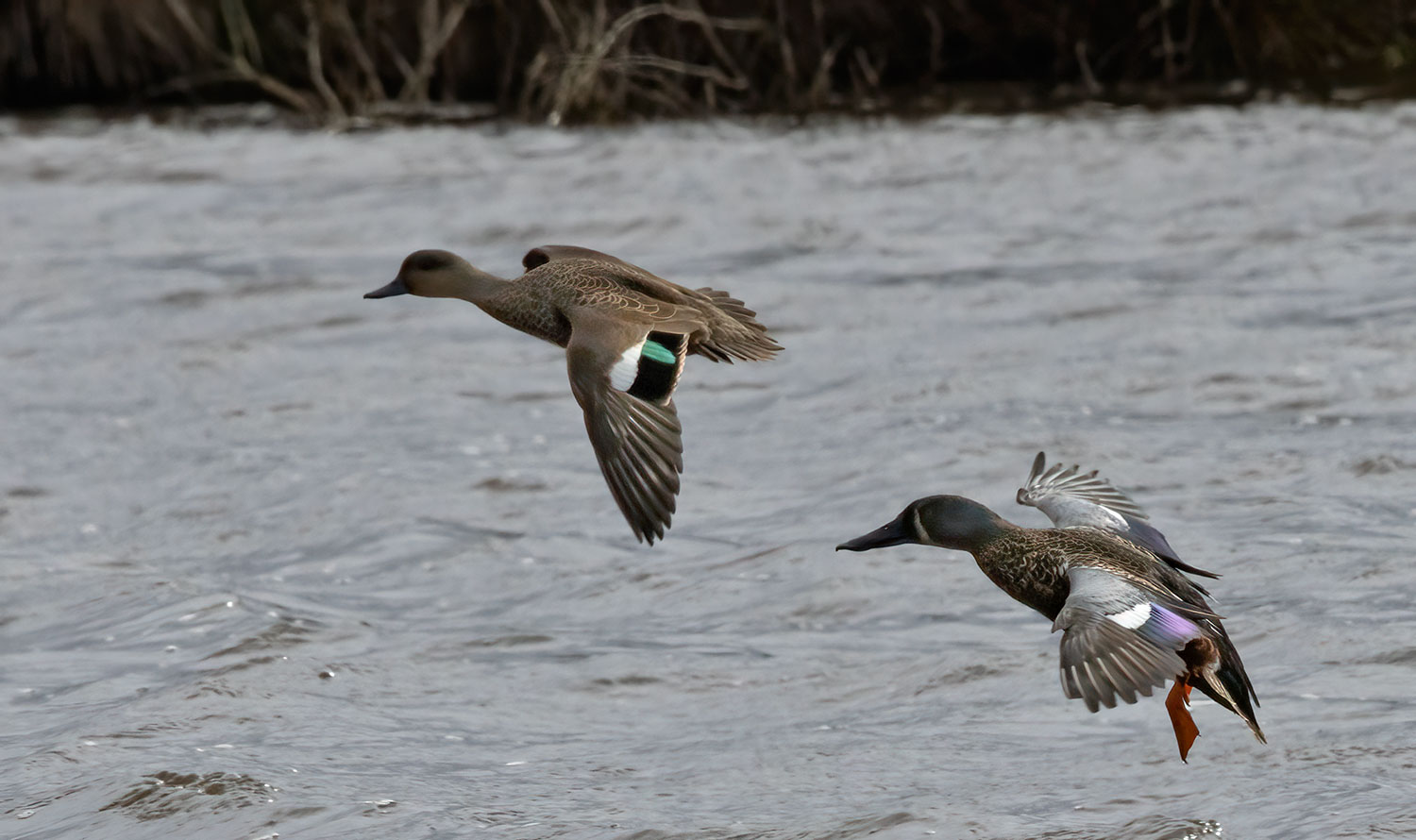
All images by Grahame